The Randall Carlson
@therandallcarlson·632K subscribers·2.1K videos
1816: The Year Without a Summer
Posted
August 8, 2026
Views
10,691
Likes
634
Comments
15
Engagement
6.07%
August 8, 2026
10,691
634
15
6.07%
Every word spoken in this episode is indexed. Type any phrase to jump straight to the moment it was said.
Type any word or phrase that may have been spoken. Click a result to seek the player to that exact moment.
Try a name, a topic, or a quoted line
Episode Timeline
Every episode in order around the one you’re watching — click any card and the page flips straight to it.
 0:44Now Playing
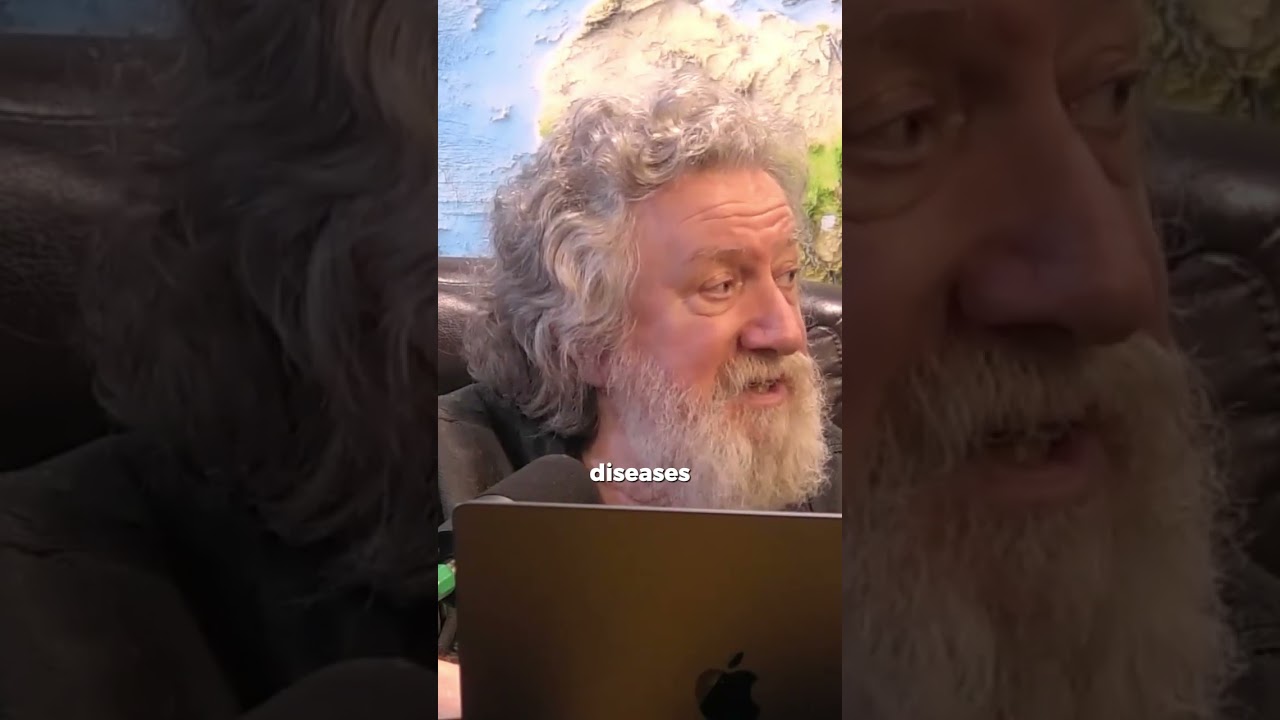
In 1816, the Northern Hemisphere experienced what historians call the year without a summer. A series of volcanic eruptions had injected enough material into the atmosphere to suppress temperatures across the globe. Crops failed on a massive scale. Malnutrition spread, famine followed, and disease took hold in weakened populations. This wasn't just a bad harvest, it was a cascading subsistence crisis that reached across continents. China felt it. The Southern Hemisphere felt it. But the Northern Hemisphere bore the worst of it.
This event has been called the last great subsistence crisis of western civilization. It's a reminder that climate doesn't need to shift permanently to cause catastrophic disruption. A single year of suppressed sunlight and cooler temperatures was enough to destabilize food systems and trigger a humanitarian disaster. The question worth asking: if volcanic forcing alone could do that in 1816, what does that tell us about the fragility of our current systems and the broader range of natural forcing mechanisms we should be accounting for?
Sentinel Indexing in Progress
Metadata and chapters are available. Claim extraction for this episode is pending.
All video content is delivered via YouTube embedded players in accordance with the YouTube Terms of Service. Sentinel provides research tools that promote discovery and accountability across political media.