The Randall Carlson
@therandallcarlson·632K subscribers·2.1K videos
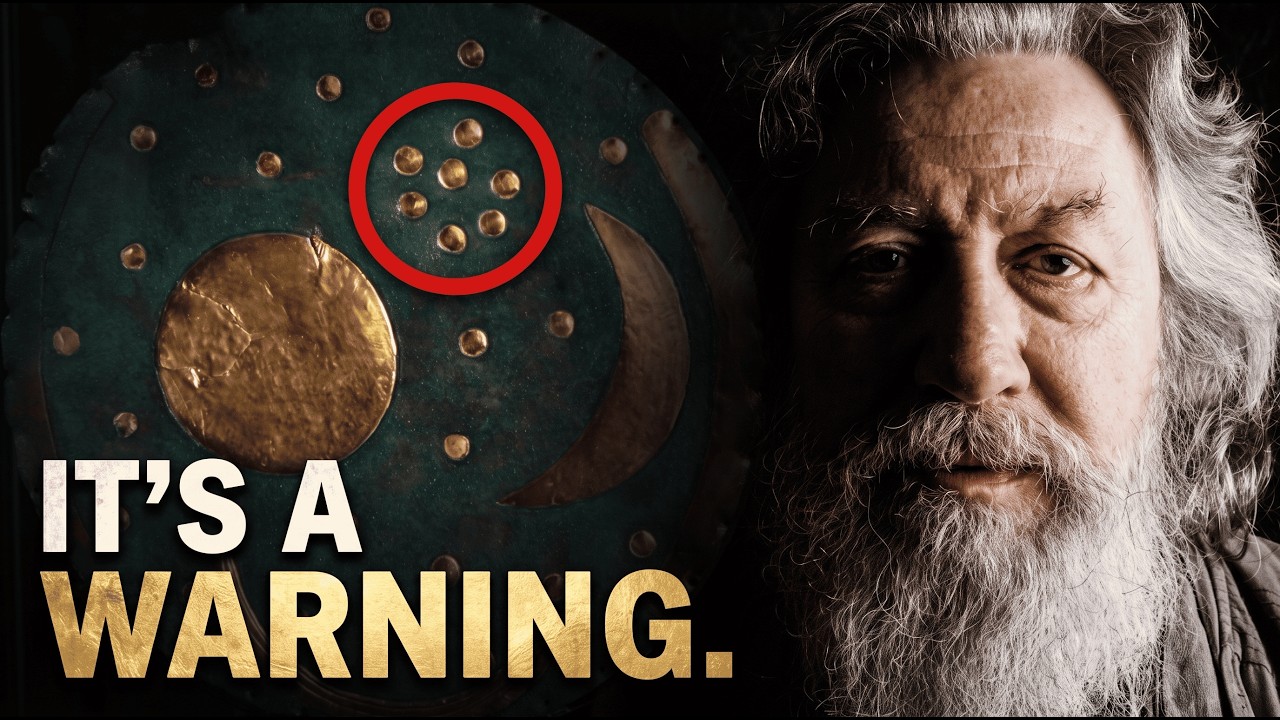
Multiple Impacts Ended the Ice Age
Posted
September 5, 2026
Views
8,737
Likes
645
Comments
22
Engagement
7.63%
September 5, 2026
8,737
645
22
7.63%
Every word spoken in this episode is indexed. Type any phrase to jump straight to the moment it was said.
Type any word or phrase that may have been spoken. Click a result to seek the player to that exact moment.
Try a name, a topic, or a quoted line
 0:38Now Playing
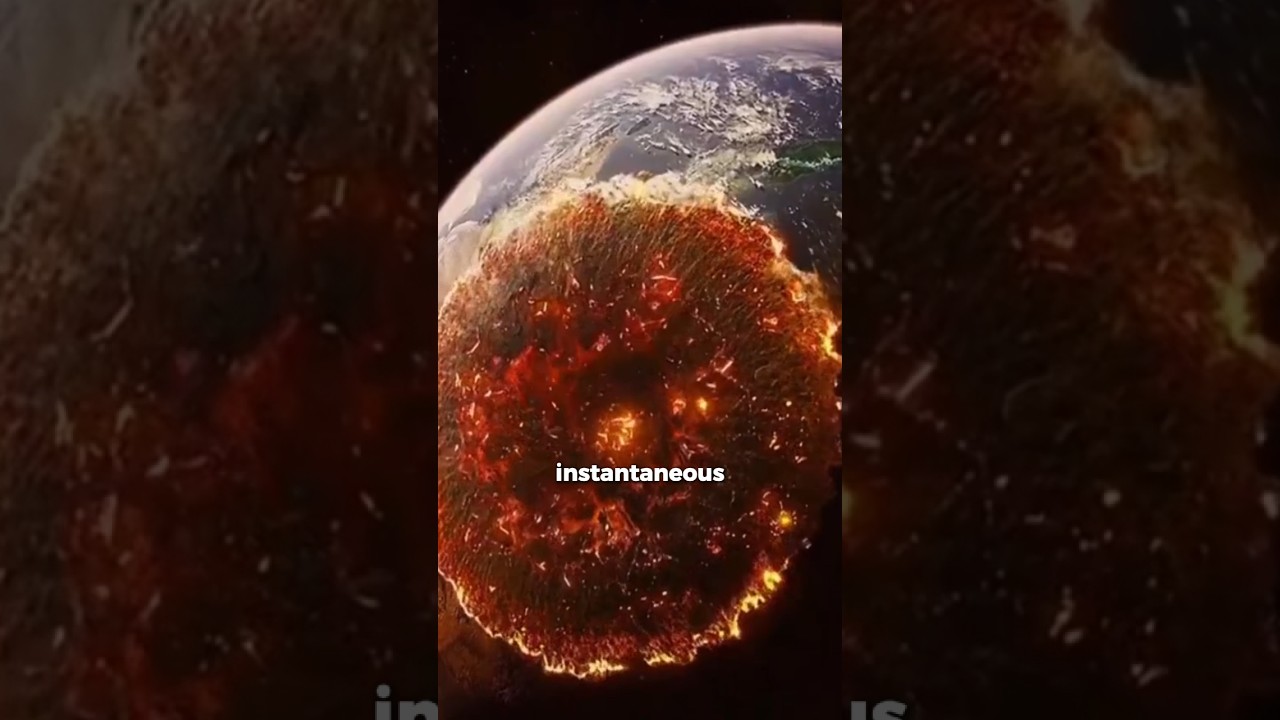
The evidence points to something extraordinary happening between 11,600 and 12,900 years ago. Not a single impact, but multiple events spread across more than a thousand years. At the Lower Younger Dryas boundary, the data suggests the Earth may have been struck by 10 to 20 fragments in a single episode. Some hit the ocean. Some hit land. A significant number appear to have impacted directly on the ice sheet itself, and that may be the key to understanding how the ice age ended. The thermal shock from those impacts could have destabilized the ice in ways we're still piecing together. This same event likely triggered the mass extinction of the Pleistocene megafauna, species that had survived previous climate shifts but couldn't survive this one. The five mastodon skeletons found at Big Bone Lick may represent individuals that died during this cataclysm. The timing lines up. The distribution of evidence lines up. What we're looking at is a turning point in Earth's history, one that reshaped the climate, the landscape, and the fate of the species that called this planet home.
Ready to go deeper into the data and patterns that shape our understanding of history and systems? Join the conversation at Kosmogonia University, where evidencedriven exploration meets open inquiry. Sign up at
Sentinel Indexing in Progress
Metadata and chapters are available. Claim extraction for this episode is pending.
All video content is delivered via YouTube embedded players in accordance with the YouTube Terms of Service. Sentinel provides research tools that promote discovery and accountability across political media.