The Ring of Fire
@theringoffire·1.4M subscribers·27K videos
Corrupt Judges and Attorneys Are Jailing People For Being Poor
Posted
March 3, 2018
Views
7,031
Likes
297
Comments
72
Engagement
March 3, 2018
7,031
297
72
5.25%
Every word spoken in this episode is indexed. Type any phrase to jump straight to the moment it was said.
Type any word or phrase that may have been spoken. Click a result to seek the player to that exact moment.
Try a name, a topic, or a quoted line
 7:50Now Playing
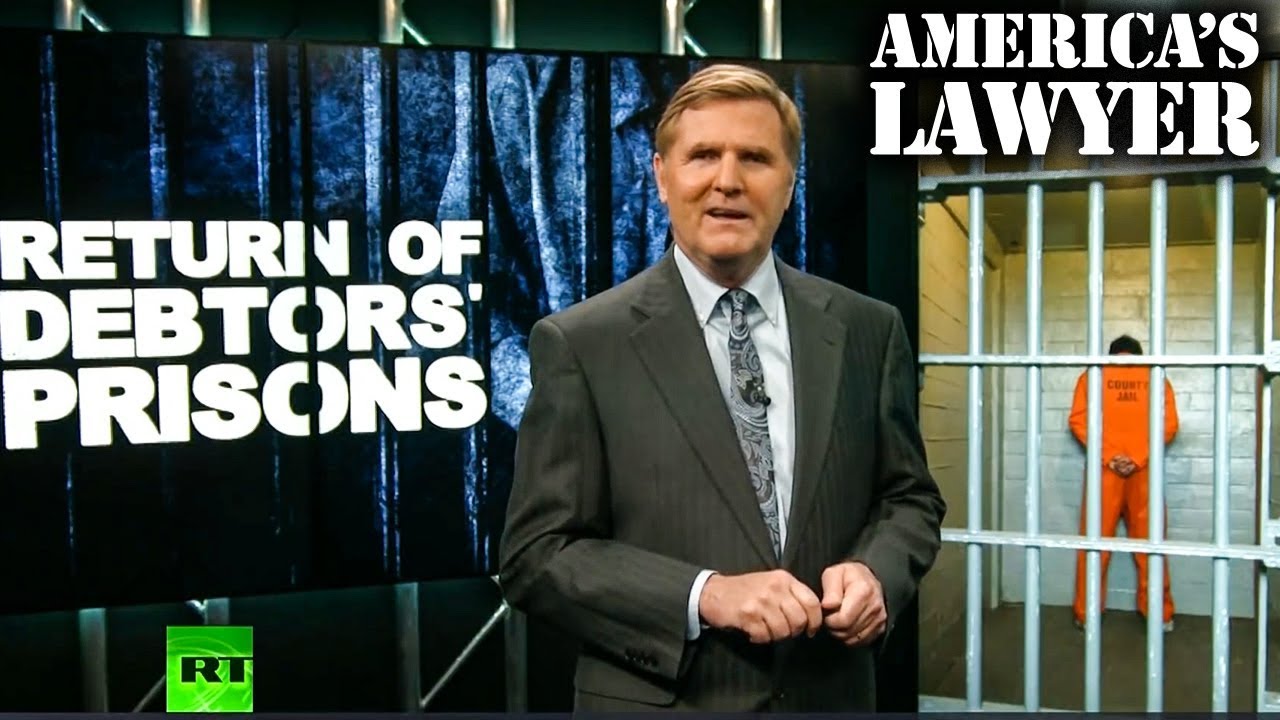
Most people probably believe that debtors' prisons are ancient history, but since the 1970's in the United States, more and more American citizens have been thrown in jail over private debts. And in the last few years, judges have increased the number of people being put into prison because they can't pay their debts. According to a recent report by the ACLU, more and more American citizens are being thrown into prison by judges who say that private debt held by collection agencies is now a criminal offense, which most legal experts agree is a clear violation of the equal protection clauses of the Fourteenth Amendment. But as the corporate stranglehold on American life gets tighter, it is becoming increasingly clear that corporations always get what they want, and right now they want Americans put in jail if they aren't paying their debts.
Ring of Fire's Mike Papantonio and Peter Mougey discuss this.
Spread the word! LIKE and SHARE this video or leave a comment to help direct attention to the stories that matter. And SUBSCRIBE to stay connected with Ring of Fire's video content!
Watch America's Lawyer featuring Mike Papantonio on RT
Transcript:
Peter, when I looked at this story, looked at these headlines, I've been hearing this story for quite some time where for criminal offenses, the people that can't pay child support, whatever it may be, it evolves into a criminal offense and they're thrown into prison, in jail for that. But this is much different. This is somebody's got a hospital bill, for example. They can't pay the hospital bill and they end up going to jail for it. The ACLU has followed this a long time and now, I mean, thousands of cases of this happening. What's your take?
They've documented a lot of really horrific stories. I mean, what's really happening is that this industry from the legal perspective, these huge firms that pay their lawyers almost nothing, it's just a machine where they're turning out claim after claim and then they send a notice to somebody that hasn't paid their hospital bill or bounced a small check and the defendant doesn't show up for the court hearing. So if they don't show up for the court hearing, as you know, then the court enters an order and it can be contempt, which can be criminal and then they don't get the notice. They don't show up. They get another notice of contempt. It goes on their record and then an arrest warrant is issued for failure to appear. But think about the kind of people that can't pay their hospital bills. They don't have insurance. they rent. So they move a lot.
Right.
So it's hard to find them and then they get pulled over for a speeding violation.
And they got a warrant.
And they get thrown in jail and they can't get out because they can't pay the bail and this might all over be, like you said, a hospital bill or some bounced check for a pizza or something ridiculous and then they're sitting in jail.
Well, I mean, think about this. Would you ever believe that an inability to pay a bill, like a hospital bill could end up [crosstalk 00:02:36] could land you in jail? But this takes cooperation. You see, this is what everybody ... This takes some cooperation with the prosecutors and with the judge. Now these are criminal prosecutors that are kind of helping in all this and here's how it work. I mean, you show up. You're supposed to get a notice. First of all, they gotta give you notice that there's a hearing, right?
Right.
A lot of people get this in the mail and it looks stuff mail. It looks like irrelevant kind of mail.
Or you've moved because your lease is up or you got evicted.
So it says, "You've gotta appear in court." They don't appear in court after a post judgment where there's already been a hearing. There's been a default hearing. Yes, they have not paid the $1,000 that they owe the hospital. They're in default. So then they're supposed to get a notice and it says, "Show up for your post default hearing."
Right.
They have a right to do that under due process. But the problem with the due process argument here is it's rarely even a showing that they got the notice. As you say, they could have moved away. There's any reason they might not have gotten the notice and then the whole due process of what occurs in that court room as far as before you're throwing somebody in hail. This doesn't happen. I can just tell you something. This doesn't happen without the cooperation of really second rate bottom feeder prosecutors, bottom feeder plaintiffs judge that handle these cases and bottom feeder judges. That's the only way this happens because the judge is always going to say, "Well, wait a second. Okay, give me a proof of notice. I want more than your word. I want to see something more significant."
Sentinel Indexing in Progress
Metadata and chapters are available. Claim extraction for this episode is pending.
All video content is delivered via YouTube embedded players in accordance with the YouTube Terms of Service. Sentinel provides research tools that promote discovery and accountability across political media.