
Millennials Prove They’re Hugely Vulnerable to Fraud Schemes
March 24, 2018
4,927
152
36
3.82%
Search the Record
IndexedEvery word spoken in this episode is indexed. Type any phrase to jump straight to the moment it was said.
Type any word or phrase that may have been spoken. Click a result to seek the player to that exact moment.
Try a name, a topic, or a quoted line
The Ring of Fire Episodes Around March 24, 2018
See what was published immediately before and after this episode.

 3:24
3:24Vanessa Trump Had To Borrow Money From Her Mom Because Don Jr. Is So Cheap


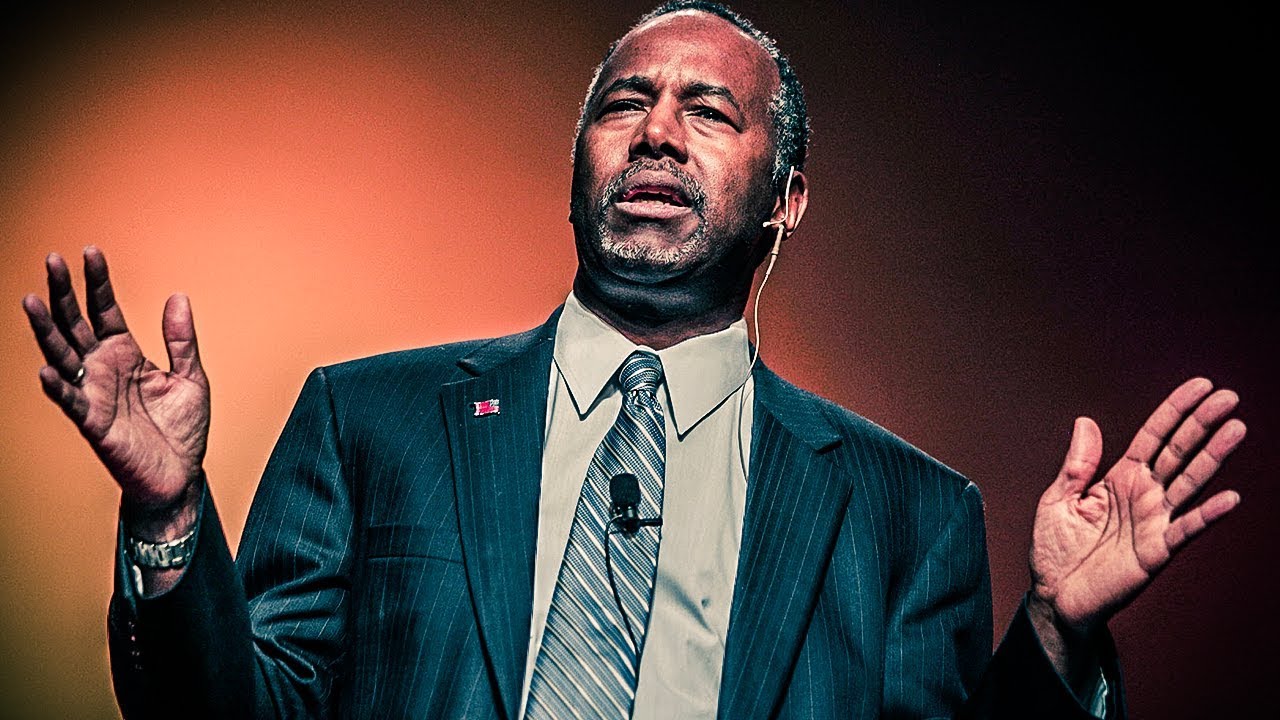
 2:28Now Playing
Millennials Prove They’re Hugely Vulnerable to Fraud Schemes





YouTube Description
as posted by the channelA new study says that Millennials are more likely to fall for fraudulent financial schemes than other generations – but the big question is whether this is because Millennials are more naïve, or are they being targeted by financial fraudsters? Ring of Fire’s Mike Papantonio and Peter Mougey discuss this.
Spread the word! LIKE and SHARE this video or leave a comment to help direct attention to the stories that matter. And SUBSCRIBE to stay connected with Ring of Fire's video content!
Watch America's Lawyer featuring Mike Papantonio on RT
A new study says that millennials are more likely to fall for fraudulent financial schemes than other generations of people. But the big question is whether this is because millennials are more naïve, or they're being targeted by financial fraudsters because they actually use the social media system. So here's this age distinction, they're saying, "Yeah, if you're around 70, you don't get targeted as much," well may be that if you're around 70, you're not using as much of what millennials use from the standpoint of social media. But it is interesting that they're 40%, 40% higher risk of being targeted by, millennials are, of being targeted by fraudsters, than the older generation. What is your take on this? I think it has something to do with the fact you got one generation just doesn't use social media as much.
I think that's ... You're totally right. I think that you're seeing the kids are buying tickets, I mean I got kids this age, they're buying tickets to concerts, they're on social media all the time.
Right.
They're vulnerable to getting hit, and they're naïve, so they're not mutually exclusive. What I thought was really fascinating though about this study, is that the 20 to 29 year-olds, the median loss was $400. Now for those in theirs 70s, it was 621, so not only is it the frequency, but $400 of loss to an average 20 to 29, that's a heck of a lot of money to a 20 year-old.
Yeah, but let's ... Look, first of all you've got millennials that are more apt to use debit cards, they're more apt to use order over the internet, they're going to use that much more, they're more capable where it comes to what we are as a society today, they're more capable in understanding how to use all of those parts. You know, I got a daughter, she can do everything needs to be done on the internet, including finances. So if you think about it, it's natural that they'd be more of a target.
I don't find that surprising, that the percentages are ... the millennials are getting hit a lot more. I tell you what, we were putting a vacation bid in on one of the online sites, just a couple weeks ago, we got an email back that we thought it was from the owner, it wasn't, who said, "Hey, we just had a cancellation, 50%," and asked us to forward the money. We almost did. At the last minute we thought, too good to be true.
The problem is identity fraud here.
Links & Promotions
Guests & Subjects Covered
Sentinel Indexing in Progress
Metadata and chapters are available. Claim extraction for this episode is pending.
All video content is delivered via YouTube embedded players in accordance with the YouTube Terms of Service. Sentinel provides research tools that promote discovery and accountability across political media.