The Ring of Fire
@theringoffire·1.4M subscribers·27K videos
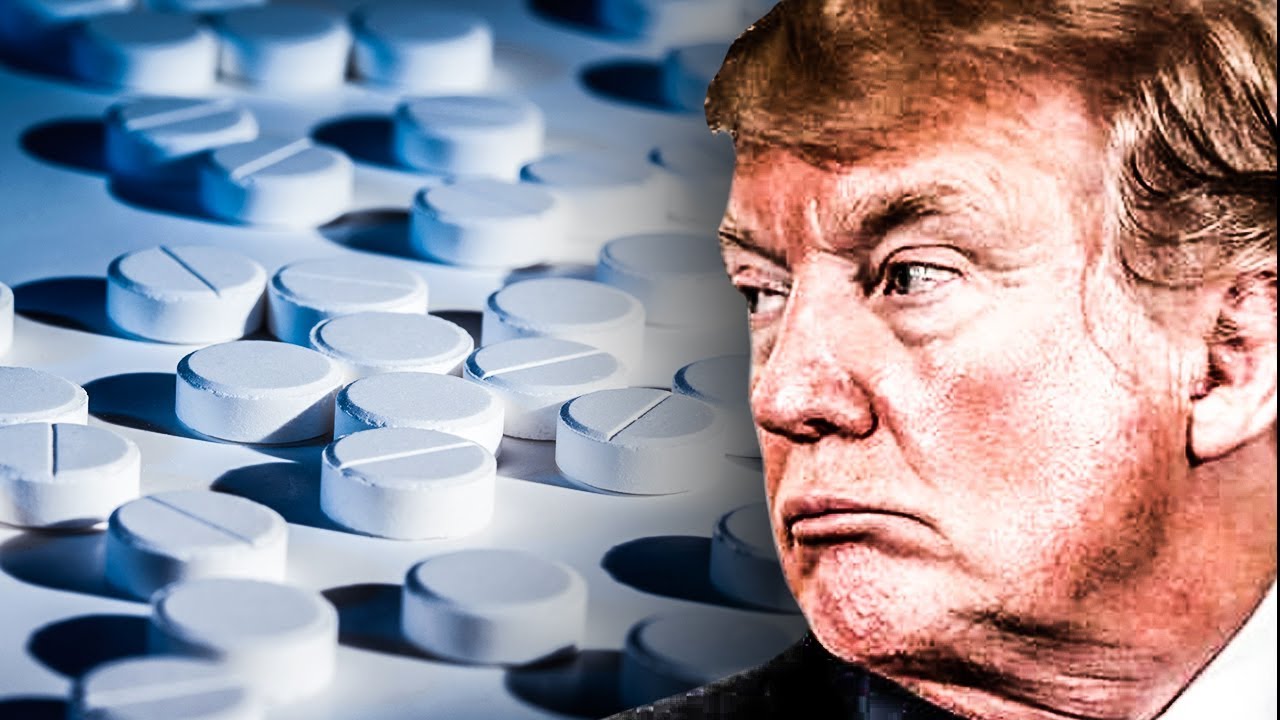
Big Pharma Jumps In To Stop Trump From Lowering Prescription Drug Prices
Posted
July 25, 2018
Views
19,815
Likes
779
Comments
156
Engagement
July 25, 2018
19,815
779
156
4.72%
Every word spoken in this episode is indexed. Type any phrase to jump straight to the moment it was said.
Type any word or phrase that may have been spoken. Click a result to seek the player to that exact moment.
Try a name, a topic, or a quoted line
 5:32Now Playing
Donald Trump made a promise during the campaign that he would do something about rising prescription drug prices, and just as his administration was preparing to finally look at the issue, some of the largest drug companies sent their front groups and lobbying teams to DC to derail the talks before they ever happened. We won’t see any relief from prescription drug prices because Big Pharma has too much power over our elected officials. Ring of Fire’s Farron Cousins discusses this.
Support us by becoming a monthly patron on Patreon, and help keep progressive media alive!
Spread the word! LIKE and SHARE this video or leave a comment to help direct attention to the stories that matter. And SUBSCRIBE to stay connected with Ring of Fire's video content!
Support Ring of Fire by subscribing to our YouTube channel
Be sociable! Follow us on:
Follow more of our stories at
Subscribe to our podcast
Donald Trump promised us on the campaign trail that he was going to lower prescription drug prices here in the United States. It's something he's actually hinted at throughout his presidency, yet so far, they haven't actually really done anything about it. However, just as this administration was starting to actually look at the problem, and they were trying to come up with some kind of plan to address the issue, Big Pharma sent their lobbyists and their front groups, specifically the front group called PhRMA, P-H-R-M-A, to meet with the President, and submit a draft proposal of what they could do to allegedly lower prescription drug prices. Two days after these groups met with the President, the administration released their plan to lower prescription drug prices, and it was almost word for word the same proposal that was submitted to them by Big Pharma itself.
Here's what that plan is. According to these pharmaceutical lobbying groups, the problem with high drug prices is not the fault of the drug companies, it's the fault of, as they say, "major players along the drug supply chain, including insurance companies, and the pharmacy benefit managers." Okay. Pharmacy benefit managers are the main culprits according to Big Pharma, and those are the ones being targeted by their proposals.
Here's what they say that these people do. These people negotiate with insurance companies and pharmacies in order to get a specific insurance company to cover a specific drug from a drug company. Okay. And then, they come up with rebates and then those pharmacy benefit managers get paid a commission off of the number of rebates that get submitted, and because of this, it incentivizes people to raise the cost of the prescription drugs, double them in some cases, so that they can create a bigger rebate, which gives these pharmacy benefit managers more profit.
This is actually true. That is a thing that happens. Big Pharma is correct about that. However, that is not the main reason that drug prices in the United States are so high, and that is not the target that we need to be focused on if we want to lower prescription drug prices. Yes, we have to take greed out of the equation, and that's what these benefit managers are doing. That's what their entire career is based off of, greed. They don't care how many people get better. They just care about how many people take the drugs and cash the rebates, so they can get the money from it, from the increased prescriptions from it.
What we have to do is, first and foremost, ban, like every other country in the world except for, I think it's New Zealand, we have to ban, once again, direct to consumer advertising. As soon as direct to consumer advertising happened here in the United States in the late '90s, drug prices skyrocketed. Why? Because Big Pharma companies were spending billions of dollars every year on marketing, and they had to get that money back. The majority of the costs associated with any prescription drug, here in the United States, do not come from the research and development, most of which is actually subsidized by the federal government, or conducted by outside universities, who then hand it over to the pharmaceutical companies. The main cost is the marketing. That's why our prescription drugs are so much higher than everyone else. That's at least one reason they're so much higher than everyone else.
Sentinel Indexing in Progress
Metadata and chapters are available. Claim extraction for this episode is pending.
All video content is delivered via YouTube embedded players in accordance with the YouTube Terms of Service. Sentinel provides research tools that promote discovery and accountability across political media.