The Ring of Fire
@theringoffire·1.4M subscribers·27K videos
Facebook CAUGHT Gathering And Storing Facial Data Recognition
Posted
November 21, 2018
Views
5,234
Likes
283
Comments
60
Engagement
November 21, 2018
5,234
283
60
6.55%
Every word spoken in this episode is indexed. Type any phrase to jump straight to the moment it was said.
Type any word or phrase that may have been spoken. Click a result to seek the player to that exact moment.
Try a name, a topic, or a quoted line
See what was published immediately before and after this episode.
 4:50Now Playing
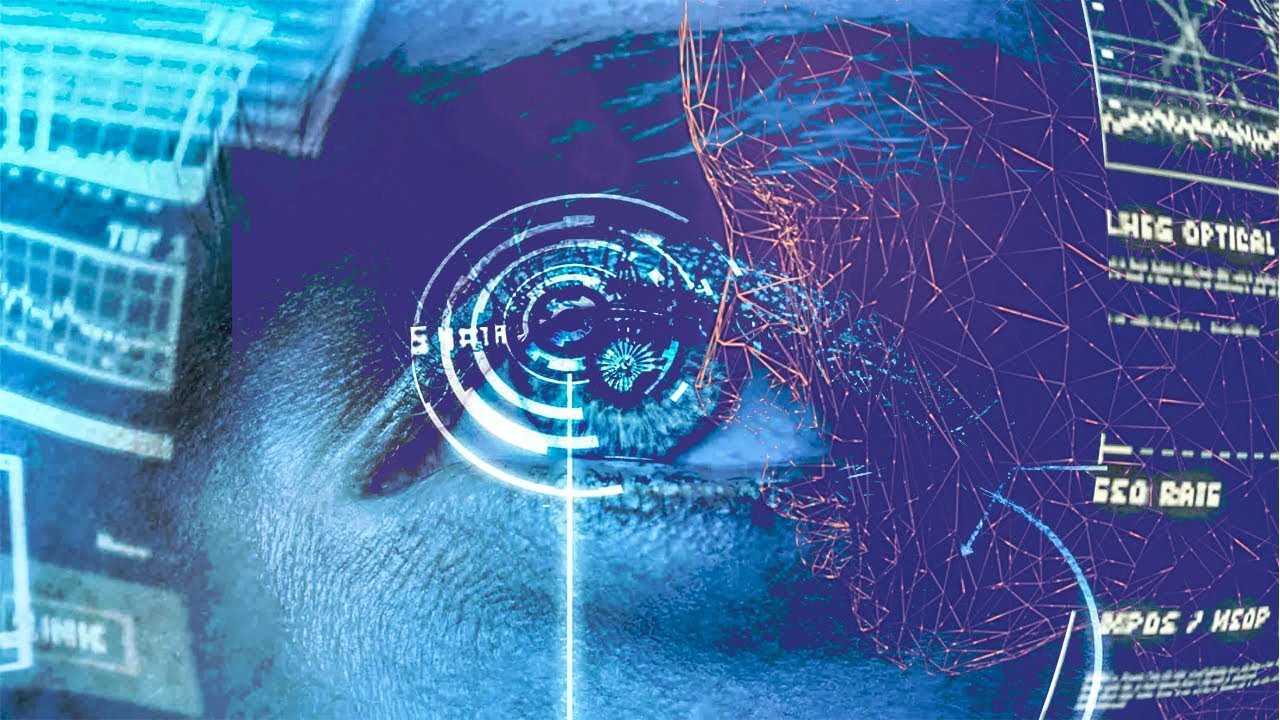
Facebook is trying to gather information with facial data recognition and harvesting. Ring of Fire’s Mike Papantonio and Peter Mougey discuss this issue.
Support us by becoming a monthly patron on Patreon, and help keep progressive media alive!
Spread the word! LIKE and SHARE this video or leave a comment to help direct attention to the stories that matter. And SUBSCRIBE to stay connected with Ring of Fire's video content!
Support Ring of Fire by subscribing to our YouTube channel
Be sociable! Follow us on:
Follow more of our stories at
Subscribe to our podcast
This story, facial recognition, people probably don't know this story. Class action was filed, by a friend of ours-
Yeah, Geller.
Geller is a ... Paul Geller's actually a friend of ours that we're working on a ... we're working on the opiod, national opiod case with him. Very good lawyer. He filed a case that said that, is class action case. We said that Facebook is trying to gather information with facial data recognition and harvesting. What's your take on this case?
Well, I [crosstalk 00:00:30] idea. These are a line of cases that are coming from all over the country. The Facebook case about taking your facial recognition and using it and storing it, there's actually acts around the country that prohibit that from privacy perspective that you can't take those biometric measurements off somebody's face and use them. Here's what I think is interesting. The way these cases are losing, and it's not just this kind of cases. It's also the data breach cases. Is the argument from the defense is that there's no harm. That part of the Article 3 standing to bring a case is you have to demonstrate-
Actual harm.
Actual harm.
Yeah, actual harm.
Where I get a little uncomfortable with this is if somebody steals your data, your information, your driver's license number, your Social Security, and you can't show that it's actually been used to cause you any financial harm, or in this case, so they stole a picture of your biometric, Facebook did, you can't show any harm. A lot of courts are kicking these cases out around the country. The case law's developing, but I'll tell you what. If you've gotten your information stolen and then somebody tells you you don't have any harm, I don't think you might [crosstalk 00:01:37].
Okay, look. Let's say that somebody was a celebrity. Okay? I've taken that celebrity's facial information. I'm going to use it. There's a dollar value on that. I mean, that's clear. That's a little more clear.
That's clear. I think that's clear.
The argument has always been that yeah, we did this. The ugly thing is, "Yeah, we did this and unfortunately we got caught doing this thing." That's basically their defense. "We did it, we got caught doing it. I wish we hadn't gotten caught. You know what, Judge? Even though we got caught, there's really no ... There's a violation, yeah, but there's no damage to the violation." Really what the violation comes down to is notice to that person and consent by that person to say, "Yeah, you can take images of my face. You can store the data. You can do whatever you want to with it."
This is the second time Facebook's popped up in the last few weeks.
Yeah. [crosstalk 00:02:32], yeah. Talk about the Virginia case.
They got the Virginia case, which is the ... Is that the case about Robins? No, that's not [crosstalk 00:02:40].
No, no. The Virginia-
Oh, the Virginia man.
Yeah.
That was that he couldn't sue an online search engine for posting inaccurate information until he suffered an actual harm.
Actual. The term is actual.
Actual harm.
Actual harm is how they try to describe when there's no actual harm. Ninth Circuit said differently.
Ninth Circuit said different, which of course that's California, and a little bit more liberal. That has a more liberal standard that says economic status could cause concrete harm that could affect your ability to get a job, unlike more innocuous information about a wrong zip code. I mean, you can get your ... There's a lot of circuits around the country that says you can get your personal information stolen, but as long as you can't demonstrate somebody actually used it to get a credit card or charge against you, you don't have actual harm or concrete harm. The definition of concrete harm is what the turnkey is here. That standard needs to be broadened because [crosstalk 00:03:31] otherwise there's no ... Hey, look, we don't have to really pay to keep your information safe because there's no ramifications for hackers.
Sentinel Indexing in Progress
Metadata and chapters are available. Claim extraction for this episode is pending.
All video content is delivered via YouTube embedded players in accordance with the YouTube Terms of Service. Sentinel provides research tools that promote discovery and accountability across political media.