The Ring of Fire
@theringoffire·1.4M subscribers·27K videos
New US Trade Agreement HUGELY Benefits Oil Industry & Corporate Polluters
Posted
March 16, 2020
Views
5,635
Likes
379
Comments
31
Engagement
March 16, 2020
5,635
379
31
7.28%
Every word spoken in this episode is indexed. Type any phrase to jump straight to the moment it was said.
Type any word or phrase that may have been spoken. Click a result to seek the player to that exact moment.
Try a name, a topic, or a quoted line
 5:32Now Playing
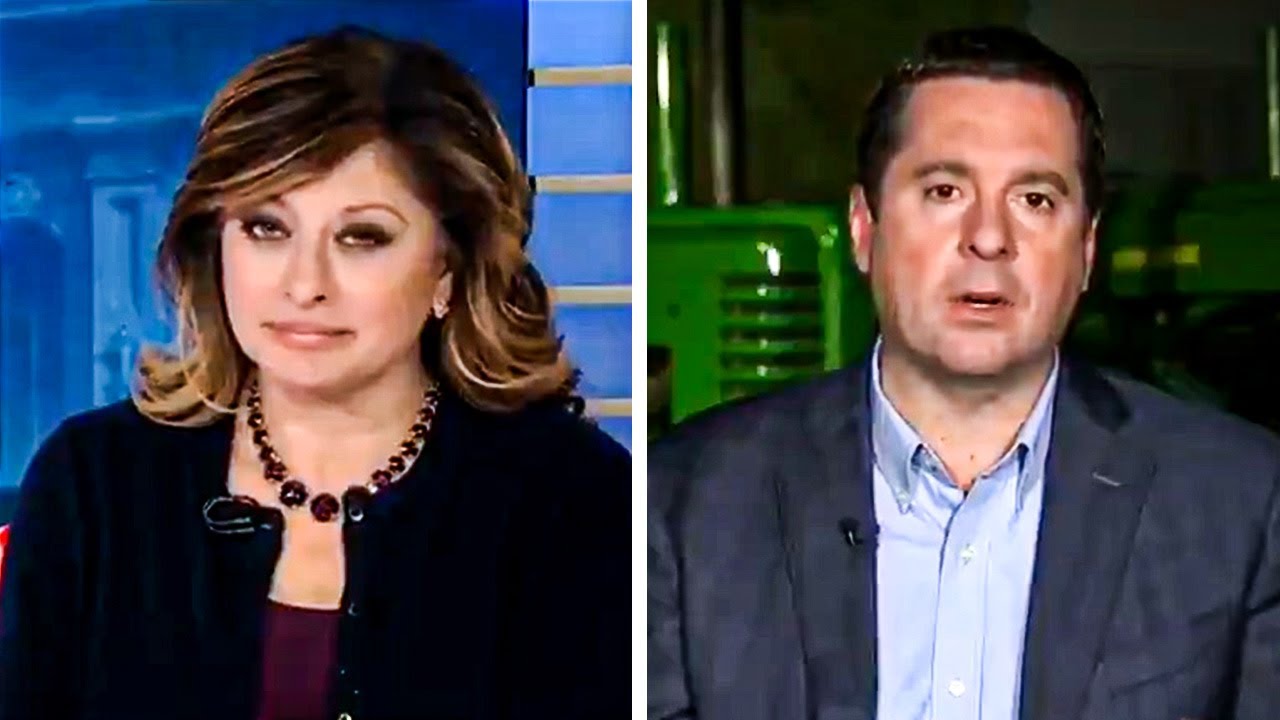
Via America’s Lawyer: RT correspondent Brigida Santos joins Mike Papantonio to talk about how a loophole in President Trump’s USMCA trade deal still allows American oil and gas companies to exploit foreign markets with minimal scrutiny.
Become a member today!
Support us by becoming a monthly patron on Patreon, and help keep progressive media alive!
Find our merchandise at Teespring
Spread the word! LIKE and SHARE this video or leave a comment to help direct attention to the stories that matter. And SUBSCRIBE to stay connected with Ring of Fire's video content!
Support Ring of Fire by subscribing to our YouTube channel
Be sociable! Follow us on:
Follow more of our stories at
Subscribe to our podcast
*This transcript was generated by a third-party transcription software company, so please excuse any typos.
The new North American free trade agreement has ended corporate arbitration for most industries, but loopholes give major concessions to the US energy sector. RT's Brigida Santos joins me now to talk about this story. Brigida, we, we started talking about TPP couple of years ago, didn't we? We, we, you and I did a couple of segments on TPP and the thing that you raised, the, the, some of the issues you raised are exactly coming to roost here right now. You talked about the ISDS problem, which is, is this. Is that under the, under the TPP, under NAFTA, under CAFTA you had foreign corporations that were able to boss us around according to our laws. They could come in here and say you can't enforce environmental cases because it affects our business or you can't enforce safety cases of any kind, pharmaceutical, name it, because it affects our sales. So you arrive there, pick it up. What can, what can you tell me about this new trade pact and how it affects disputes?
Sure, well. Yeah, president Donald Trump has rebranded the North American Free Trade Agreement, aka NAFTA, with a new pact known as the US Mexico Canada agreement. The USMCA passed with bipartisan support from Congress. Democrats and Republicans both cheered the gutting of NAFTA as controversial investor state dispute settlement clauses which empower multinational corporations to sue governments when laws threaten investor profits. Like you just said, for example, if the US were to implement new regulations expanding environmental, health or labor protections, Canadian or Mexican companies could then sue the American government if those new laws undermined that company's ability to profit. Now, under those same ISDS rules, American companies are also free to do the same. So the new trade pact is different because it's actually abandoned investor state dispute settlements for most industries. But there is now an exception for American oil and gas firms that have government contracts in Mexico. So US energy is really the big winner of this new North American free trade deal.
Well, I mean, the point is this, when we drill down on what the whole problem is with globalization, one of it is is we're able, you have a foreign, a foreign country, you've got France or wherever, Mexico, Asia, wherever. They come to the United States and they say to us, you have affected our right to go to, to come to America and cut down all of your timber. You have affected our right to take our toxins and put them in your streams because you're affecting our business. This is the same kind of analysis here, but we're giving this extra protection to the American oil and gas industry. Why, why is Mexico significant to this particular part of the story?
Well, Mexico is significant because international companies now hold exploration and production rights and offshore and onshore blocks of Mexico. Mexico is the number one destination, believe it or not, for American gas, oil and refined product exports. Now, before NAFTA, only Mexico state owned petroleum company could operate in the country's upstream segment. But recent reforms in the last few years have actually opened the country up to more privatization. And the problem is that these new trade agreement, this new trade agreement locks those reforms in and makes it really hard for future Mexican administrations to change their policies without the risk of being sued by the American energy industry. The whole reason these are a problem is because they really impede on the sovereignty of these nations.
Well, that's the whole idea with this whole globalization though. In other words, think about what you just said.
#rof #trofire #theringoffire #progressivenews
Sentinel Indexing in Progress
Metadata and chapters are available. Claim extraction for this episode is pending.
All video content is delivered via YouTube embedded players in accordance with the YouTube Terms of Service. Sentinel provides research tools that promote discovery and accountability across political media.