The Ring of Fire
@theringoffire·1.4M subscribers·27K videos
Hawaii Declares Emergency In Climate Change Fight & Toxic Cleaning Chemicals Found In Drinking Water
Posted
May 16, 2021
Views
17,564
Likes
1,241
Comments
123
Engagement
May 16, 2021
17,564
1,241
123
7.77%
Every word spoken in this episode is indexed. Type any phrase to jump straight to the moment it was said.
Type any word or phrase that may have been spoken. Click a result to seek the player to that exact moment.
Try a name, a topic, or a quoted line
 10:14Now Playing
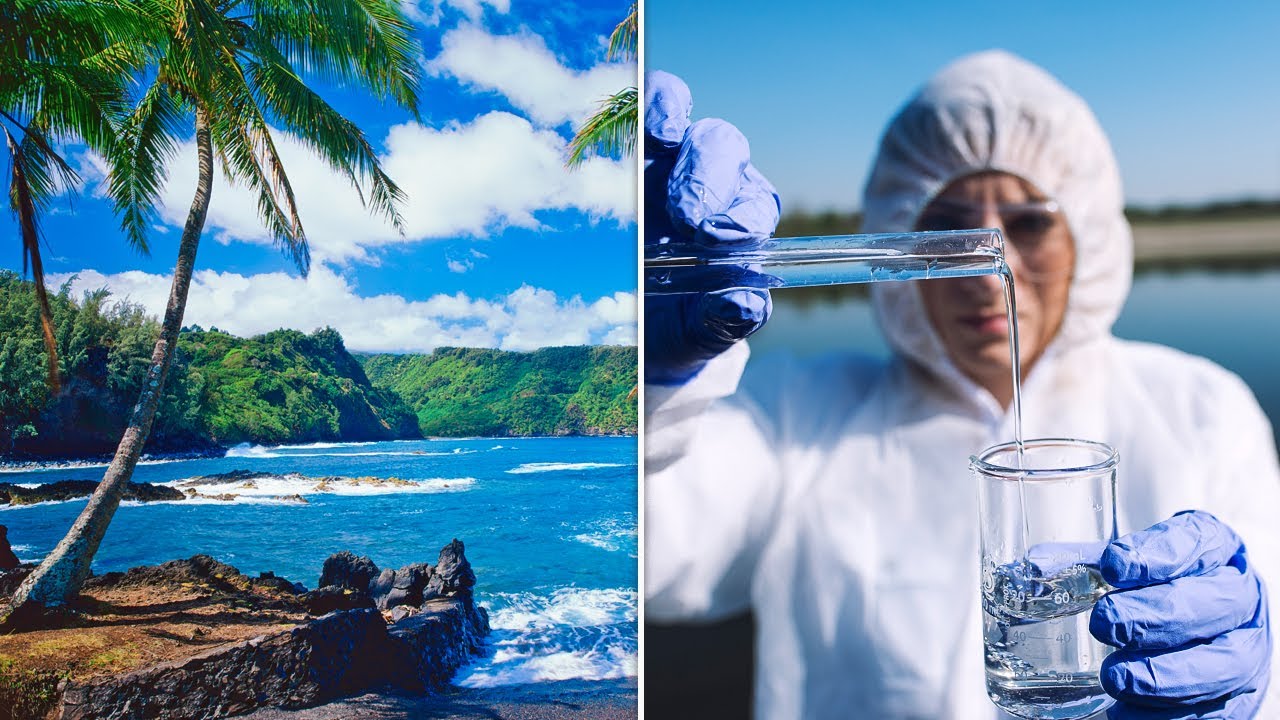
Via America’s Lawyer: As sea levels rise and coastlines shrink, Hawaii becomes the first state to declare a climate emergency. RT correspondent Brigida Santos joins Mike Papantonio to explain how state and federal lawmakers are taking steps to meet the worsening climate crisis head-on. Then, as if our country’s waterways weren’t already contaminated enough by PFAS, another toxin called Trichloroethylene (TCE) has seeped into sources of drinking water nationwide. Attorney Madeline Pendley joins Mike Papantonio to explain how factories are endangering the lives of their workers and surrounding areas with these cancer-causing chemicals.
Become a member today!
Support us by becoming a monthly patron on Patreon, and help keep progressive media alive!
Find our merchandise at Teespring
Spread the word! LIKE and SHARE this video or leave a comment to help direct attention to the stories that matter. And SUBSCRIBE to stay connected with Ring of Fire's video content!
Support Ring of Fire by subscribing to our YouTube channel
Be sociable! Follow us on:
Follow more of our stories at
Subscribe to our podcast
*This transcript was generated by a third-party transcription software company, so please excuse any typos.
Hawaii is the first state to declare a climate emergency setting an example for the rest of the country to follow. Brigida Santos is here to talk with me about this right now. Brigida, what, what's in Hawaii's new Senate resolution? How far does this thing go?
State Senate concurrent resolution 44 declares that climate change is a threat to the environment and humans and requests statewide cooperation in addressing the adverse effects of climate change, including rising sea levels and the global temperature, coastal erosion and protecting critical infrastructure. While the resolution is largely symbolic, it also calls on Hawaii's government to prohibit private investment and public subsidies in projects that exacerbate climate change like coal oil, gas, or tree burning. It also calls on the government to promote policies and infrastructure to replace fossil fuels with solar wind or battery storage by 2030. The state is taking action based on global scientific evidence and its own climate problems.
Yeah, it's a non-binding resolution, but at least they're doing something to get out there and say, we're paying attention to it. Our beaches are eroding. We have sea levels that are rising. Our infrastructure's at risk and we have to do something, even though the feds aren't doing what they need to do, we need to do something on our own. How has climate change impacted Hawaii besides, you know, besides the fact that right now they see their islands disappearing from erosion?
Yeah. Well, climate change has led to more droughts on Hawaii's islands, which greatly impact indigenous communities, deteriorate freshwater streams and rivers, and reduce access to water. Rising sea levels have resulted in long-term coastal erosion to 70% of the beaches in Kauai, Oahu and Maui. Local governments on several islands had already previously declared climate emergencies back in 2019. But the new state-wide declaration now acknowledges the urgency of this problem and aims to solve some of the most pressing issues.
Yeah. I'm wondering Brigida, are you seeing any signs that other States are planning similar actions? I, you know, Florida comes to my mind, all the coastal States coming to my mind, this would seem like a good idea. But what, what's your, what have you followed on that?
Sure. Many States in the US are now regularly experiencing climate change related catastrophes from deep freezes to debilitating droughts, wildfires, hurricanes and storms. At least 33 States have now released a climate action plan or have one in the works. And these plans typically set goals targeting greenhouse gas emissions, or focus on shifting to renewable energy sources. But so far, Hawaii is the only US state to declare an official climate emergency. Now, back in February, there was a house resolution introduced at the federal level to declare a national climate emergency. And the Biden administration has spoken about advancing climate policies at home and internationally. But we'll have to see how that plays out. And across the globe, nearly 2000 jurisdictions in 34 countries, have also declared climate emergencies. So it seems like people are finally paying attention. But is it going to be too little too late? We'll have to wait and see.
#rof #trofire #theringoffire #progressivenews
Sentinel Indexing in Progress
Metadata and chapters are available. Claim extraction for this episode is pending.
All video content is delivered via YouTube embedded players in accordance with the YouTube Terms of Service. Sentinel provides research tools that promote discovery and accountability across political media.