The Ring of Fire
@theringoffire·1.4M subscribers·27K videos
Republicans In SEVEN States Submitted False Documents Claiming Trump Won Their State In 2020
Posted
January 29, 2022
Views
66,858
Likes
5,217
Comments
1,024
Engagement
January 29, 2022
66,858
5,217
1,024
9.33%
Every word spoken in this episode is indexed. Type any phrase to jump straight to the moment it was said.
Type any word or phrase that may have been spoken. Click a result to seek the player to that exact moment.
Try a name, a topic, or a quoted line
 4:43Now Playing
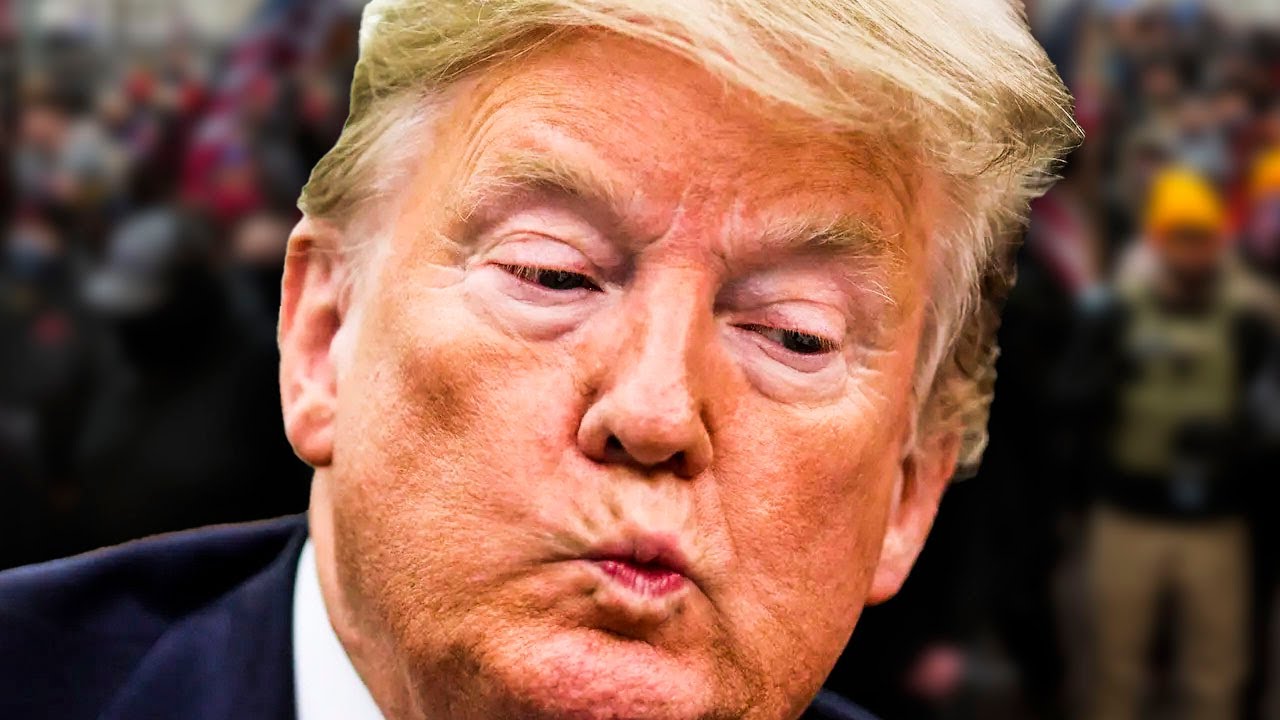
The total number of states where Trump supporters submitted falsified documents claiming that Trump won their state in 2020 has now risen to seven, and state Attorneys General are trying to figure out if this is actually a crime. While it might seem obvious that submitting falsified documents to the federal government is a form of fraud, apparently it isn't always that simple, as this is a legal gray area in most states. Ring of Fire's Farron Cousins explains the confusion surrounding these possibly criminal moves.
Become a member today!
Support us by becoming a monthly patron on Patreon, and help keep progressive media alive!
Find our merchandise at Teespring
Spread the word! LIKE and SHARE this video or leave a comment to help direct attention to the stories that matter. And SUBSCRIBE to stay connected with Ring of Fire's video content!
Support Ring of Fire by subscribing to our YouTube channel
Be sociable! Follow us on:
Follow more of our stories at
Subscribe to our podcast
*This transcript was generated by a third-party transcription software company, so please excuse any typos.
We now have seven states, seven states where Trump supporters submitted false election certifications to Congress in an attempt to overturn that state's electoral college vote and hand it over to Donald Trump. Those states are Arizona, Georgia, Michigan, Nevada, New Mexico, Pennsylvania and Wisconsin. So seven states now, it started as two. Then three more were revealed. Now two more have been revealed after that. The question is, how many more are we gonna find out about as this story continues to roll on? But I think the bigger question that everybody has right now is what the hell's gonna happen to the people who did this? When are they going to be arrested? When are we gonna round them up and throw them in jail? I know that's the question I have and unfortunately we're starting to give those answers and I say unfortunately, because they're not looking good.
In Pennsylvania, for example, you have attorney general Joshua Shapiro, who said, quote, well, while the quote rhetoric and policy were intentionally misleading and purposefully damaging to our democracy, they don't believe that it rises to the level of forgery. So Pennsylvania's attorney general, Democrat by the way, telling us, eh, we don't know that we can do anything about it. Yeah. It looks bad. It was, it was pretty bad and the rhetoric is terrible. But, you know, is it really forgery when you submit a fake document to the United States government? I, I, I'm gonna go with yes. Try submitting a fake document to the government, anybody, and see what happens to you. No, actually don't because you're gonna go to jail because it is forgery. It is fraud, at least over in Michigan, that attorney general Dana Nessel, who's got a whole host of problems of her own, at least she's taking this seriously.
Because she says yeah, this is pretty clear, you know, fraud and it's also election fraud. And we're gonna go after these people for both of these things. Other states are still trying to figure out, is it actually illegal? Is, is this something we can prosecute? You know, and at least that's something more obviously than what Pennsylvania's attorney general said was like, eh, it's not forgery. Don't worry about it. But the other states really are trying to figure out and I know this sounds weird, but they're trying to figure out if it was a crime, because it's not as cut and dry as we would like to think it is. Okay. It's not as simple as submitting a fake document to the United States government. That's an oversimplification of things. Was it on official letterhead? Did it use any official seals? We know in Arizona that yes, it did. That one's pretty clear. That would be forgery and fraud. But some of these other ones, if you're just some Yahoo and you've written a letter and then you send it into Congress, is that a crime?
And that unfortunately is what these state attorneys general have to figure out. Yes, it's serious. Yes, I do think all of these people should go to jail. But the law's not necessarily written that way. So these attorneys general do have their work cut out for them. They have to look at whether or not this violates election laws. They have to look at whether or not this violates the state's fraud laws.
Sentinel Indexing in Progress
Metadata and chapters are available. Claim extraction for this episode is pending.
All video content is delivered via YouTube embedded players in accordance with the YouTube Terms of Service. Sentinel provides research tools that promote discovery and accountability across political media.