The Wall Street Journal
@wsj·6.6M subscribers·28.9K videos
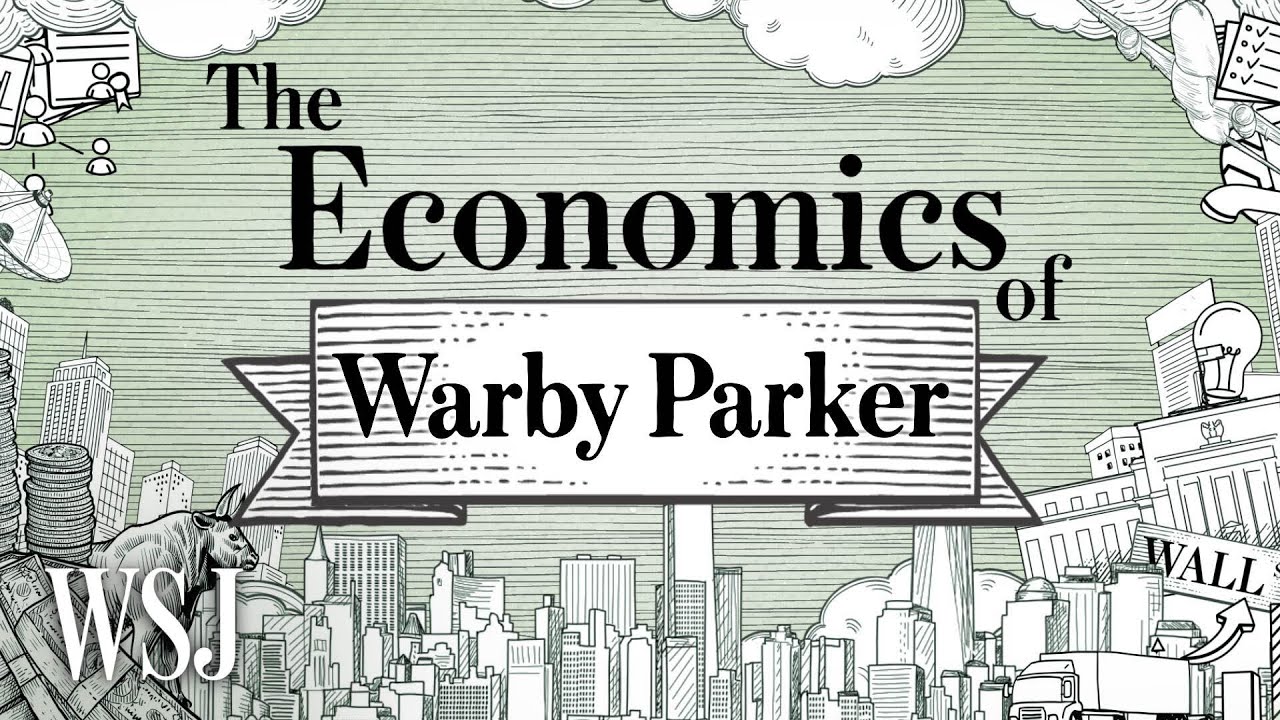
How Warby Parker Disrupted Then Adopted Brick-And-Mortar Retail | WSJ The Economics Of
Posted
September 22, 2021
Views
146,975
Likes
2,033
Comments
89
September 22, 2021
146,975
2,033
89
1.44%
Every word spoken in this episode is indexed. Type any phrase to jump straight to the moment it was said.
Type any word or phrase that may have been spoken. Click a result to seek the player to that exact moment.
Try a name, a topic, or a quoted line
 7:16Now Playing
The eyeglass maker plans to go public though a direct listing.
Warby Parker was one of the original direct-to-consumer brands, but now, the eyeglass-maker’s sales are split about evenly between its more than 140 brick-and-mortar locations and its online store. WSJ’s Charity Scott explains why this split is Warby Parker’s secret sauce. Photo: Adam Falk/The Wall Street Journal
The Economics Of
How do the world's most successful companies generate revenue? In this explainer series, we'll dive into the surprising stories behind how businesses work--exploring everything from Costco's "treasure-hunt" model to the economics behind Amazon's AWS.
More from the Wall Street Journal:
Visit WSJ.com
Visit the WSJ Video Center
On Facebook
On Snapchat
#WarbyParker #EconomicsOf #WSJ
Sentinel Indexing in Progress
Metadata and chapters are available. Claim extraction for this episode is pending.
All video content is delivered via YouTube embedded players in accordance with the YouTube Terms of Service. Sentinel provides research tools that promote discovery and accountability across political media.