Then Now
@thennow·549K subscribers·221 videos
Thomas Hobbes: Leviathan
Posted
February 17, 2021
Views
27,766
Likes
1,232
Comments
74
Engagement
4.70%
February 17, 2021
27,766
1,232
74
4.70%
Every word spoken in this episode is indexed. Type any phrase to jump straight to the moment it was said.
Type any word or phrase that may have been spoken. Click a result to seek the player to that exact moment.
Try a name, a topic, or a quoted line
 18:51Now Playing
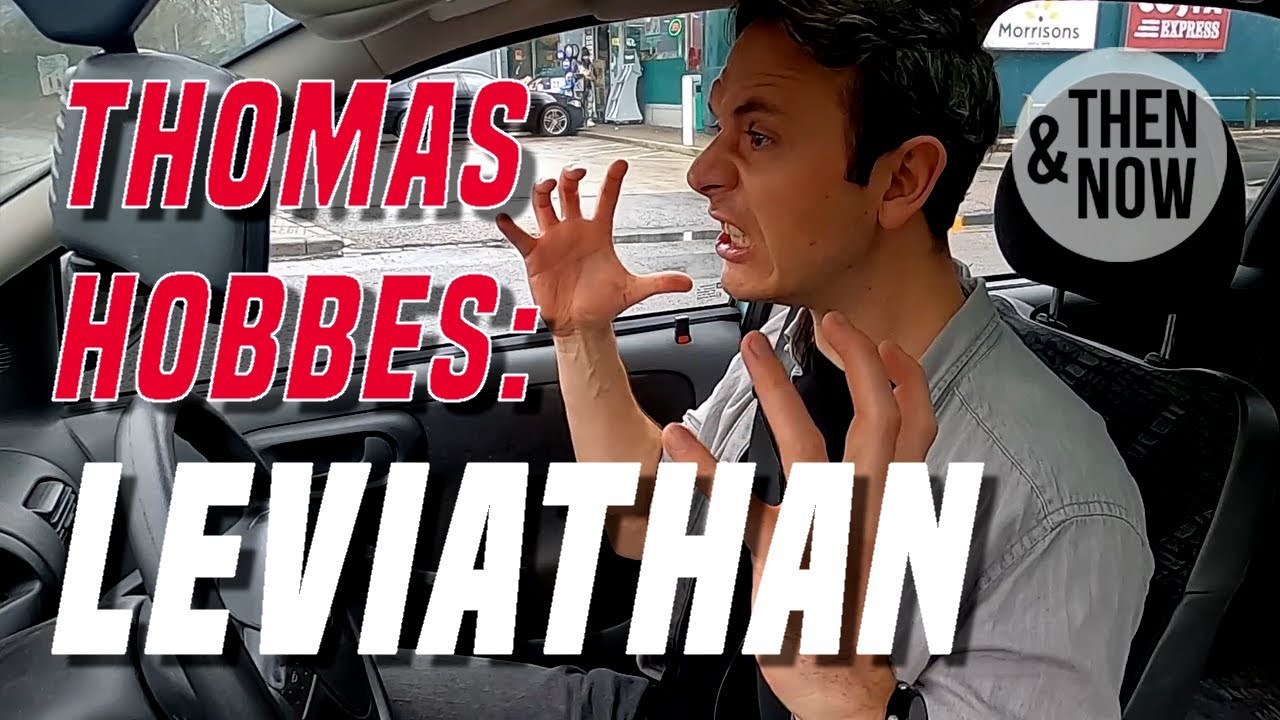
An introduction to Thomas Hobbes’ Leviathan. Hobbes looms over all of us as the preeminent defender of the modern state and sovereign authority. Nuanced and original, he is probably the most influential figure in modern political philosophy who, and could be described as the father of both modern liberalism and modern conservatism.
Hobbes’ originality was his belief that political theory could be deduced from scientific principles about psychology, the senses, language, morality, knowledge, and power.
To understand politics, he argued, you had to understand people. Hobbes grounds Leviathan in a state of nature – a theoretical situation in which humans have no institutions, no government, no coercive power – a pre-societal condition.
Human existence in a state of nature is, according to Hobbes, pretty undesirable. In the most famous passage of Leviathan he says that in a state of nature there are ‘no arts; no letters; no society; and which is worst of all, continual fear, and danger of violent death; and the life of man, solitary, poor, nasty, brutish, and short.’
In a state of nature, we have a right to all things, but because we seek our own self-preservation, there are ‘laws of nature.’ Hobbes says that the first law of nature is ‘that every man seek peace, as far as he has hope of obtaining it; and when he cannot obtain it, that he may seek and use all helps and advantages of war.’
Because some ignore or misunderstand the laws of nature we require a sovereign power to keep us in awe; a leviathan.
Hobbes has been reinterpreted in the 20th century in game theory terms as a prisoner’s dilemma.
Then & Now is FANFUNDED! Support me on Patreon and pledge as little as $1 per video
Or send me a one-off tip of any amount and help me make more videos:
Buy on Amazon through this link to support the channel:
Follow me on:
Subscribe to the podcast:
Sources:
Thomas Hobbes, Leviathan
Thomas Hull, Hobbes and the Making of Modern Political Thought
Glen Newey, The Routledge Guidebook to Hobbes’ Leviathan
Martinich Aloysius, Hobbes
Credits:
Galileo with his TelescopeCC BY 4.0, via Wikimedia Commons
Sentinel Indexing in Progress
Metadata and chapters are available. Claim extraction for this episode is pending.
All video content is delivered via YouTube embedded players in accordance with the YouTube Terms of Service. Sentinel provides research tools that promote discovery and accountability across political media.