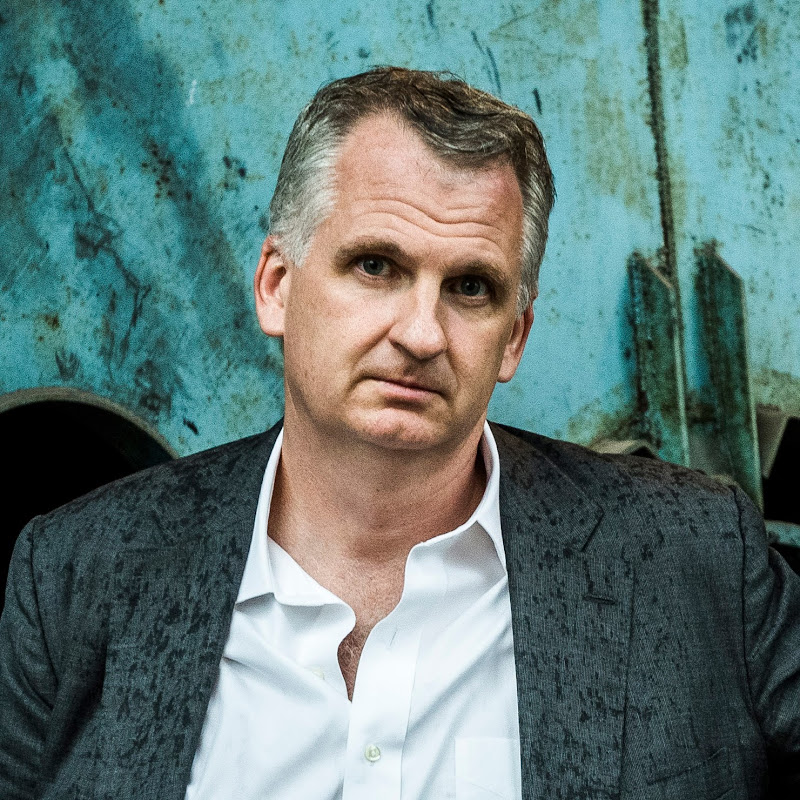
Timothy Snyder
@timothysnyder5948·80.1K subscribers·90 videos
Black Earth: The Holocaust as History and Warning | Timothy Snyder (2017)
Posted
October 27, 2017
Views
83,533
Likes
1,359
Comments
107
Engagement
October 27, 2017
83,533
1,359
107
1.75%
Every word spoken in this episode is indexed. Type any phrase to jump straight to the moment it was said.
Type any word or phrase that may have been spoken. Click a result to seek the player to that exact moment.
Try a name, a topic, or a quoted line
 49:47Now Playing
Ecological panic and statelessness as factors in the Holocaust:
“Holocaust studies have moved into memorial mode without having achieved satisfactory explanation,” says Yale Professor, Timothy Snyder.
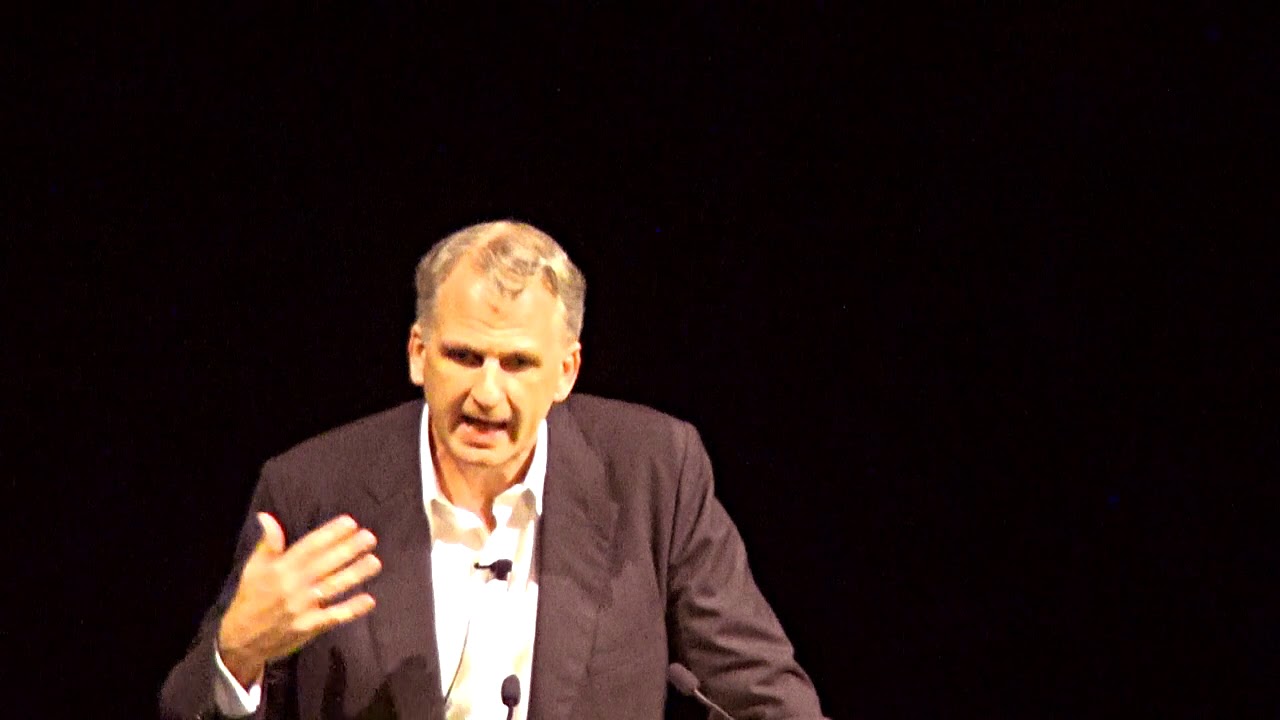
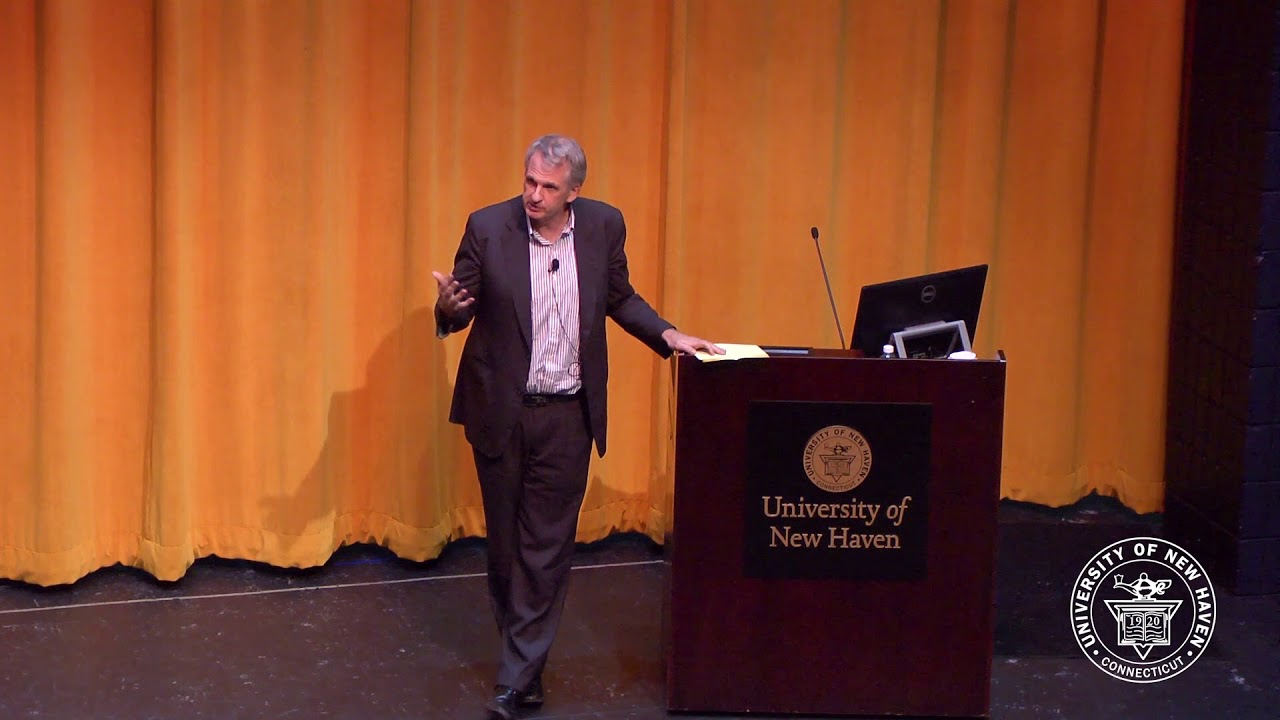
The renowned academic and public intellectual was speaking to an invited audience at University College Dublin. In his talk, he argued that “the memorial mode” is taking up the space needed for “explanatory work” on the Holocaust.
This memorial mode, he said, has allowed us “to fall back into national modes of discussing the Holocaust because when one discusses memory one invariably discusses a national memory and almost always one's national memory”.
According to Professor Snyder, there is data to back up this assertion. “The last time I looked, [which was a couple of years ago] well over 90 per cent of the conferences devoted to the Holocaust were not devoted to the Holocaust, but they were devoted to the memory of the Holocaust which is a quite different subject.”
Using primary sources, particularly Jewish primary sources, the author of Black Earth: The Holocaust as History and Warning, developed his arguments to explain the Holocaust.
He recounted the events from 1933 – 1945 and explained how “ecological panic” and “the State” were key factors in the Holocaust.
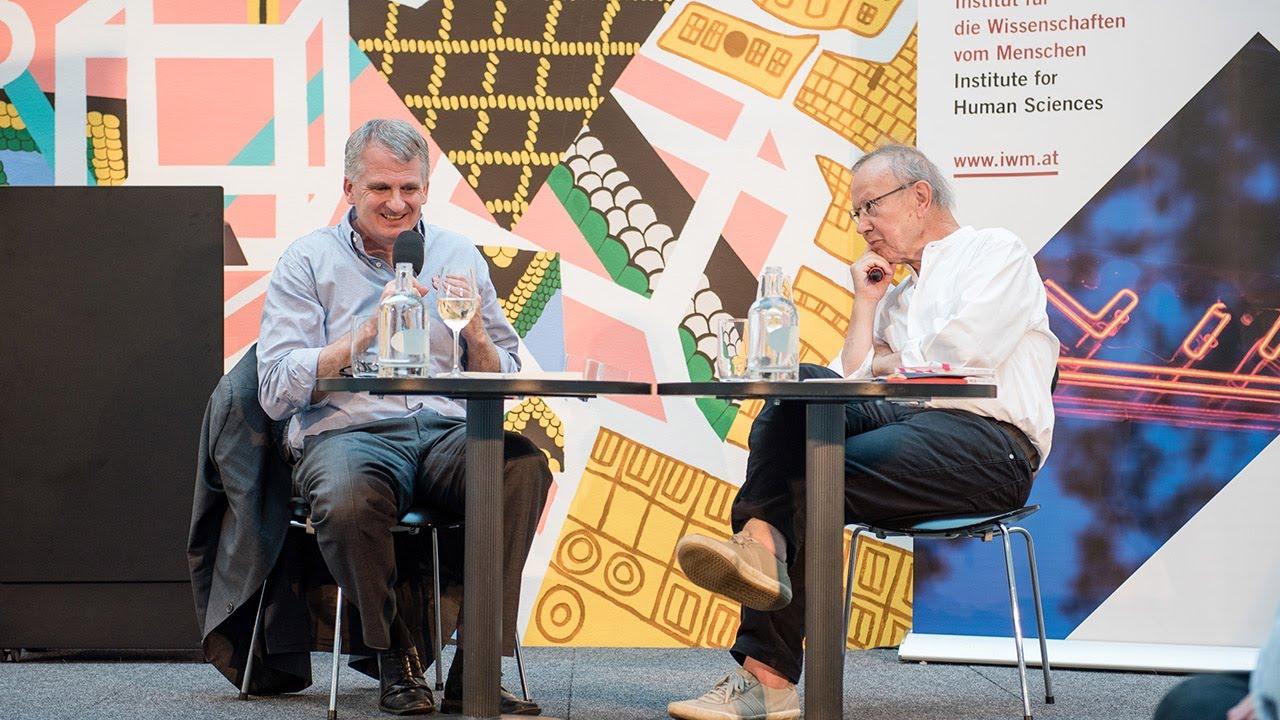
Following the lecture, Professor Snyder took part in a questions and answers session chaired by Professor Robert Gerwarth from the UCD School of History, University College Dublin.
Timothy Snyder is the Housum Professor of History at Yale University and a permanent fellow at the Institute for Human Sciences in Vienna. He received his doctorate from the University of Oxford in 1997, where he was a British Marshall Scholar. Before joining the faculty at Yale in 2001, he held fellowships in Paris, Vienna, and Warsaw, and an Academy Scholarship at Harvard. He speaks five and reads ten European languages.
UCD Twitter
UCD Facebook
UCD Instagram
UCD Homepage
Sentinel Indexing in Progress
Metadata and chapters are available. Claim extraction for this episode is pending.
All video content is delivered via YouTube embedded players in accordance with the YouTube Terms of Service. Sentinel provides research tools that promote discovery and accountability across political media.