Timothy Snyder
@timothysnyder5948·80.1K subscribers·90 videos
On Statehood, Power, and Ethics with Susan Rice
Posted
August 12, 2026
Views
19,152
Likes
1,565
Comments
193
Engagement
9.18%
August 12, 2026
19,152
1,565
193
9.18%
Every word spoken in this episode is indexed. Type any phrase to jump straight to the moment it was said.
Type any word or phrase that may have been spoken. Click a result to seek the player to that exact moment.
Try a name, a topic, or a quoted line
Episode Timeline
Every episode in order around the one you’re watching — click any card and the page flips straight to it.
 34:26Now Playing
Thinkers:
Hard as it is to believe, today marks 165 days since President Trump dragged the United States into war with Iran — a war that has produced devastating and deeply humiliating consequences.
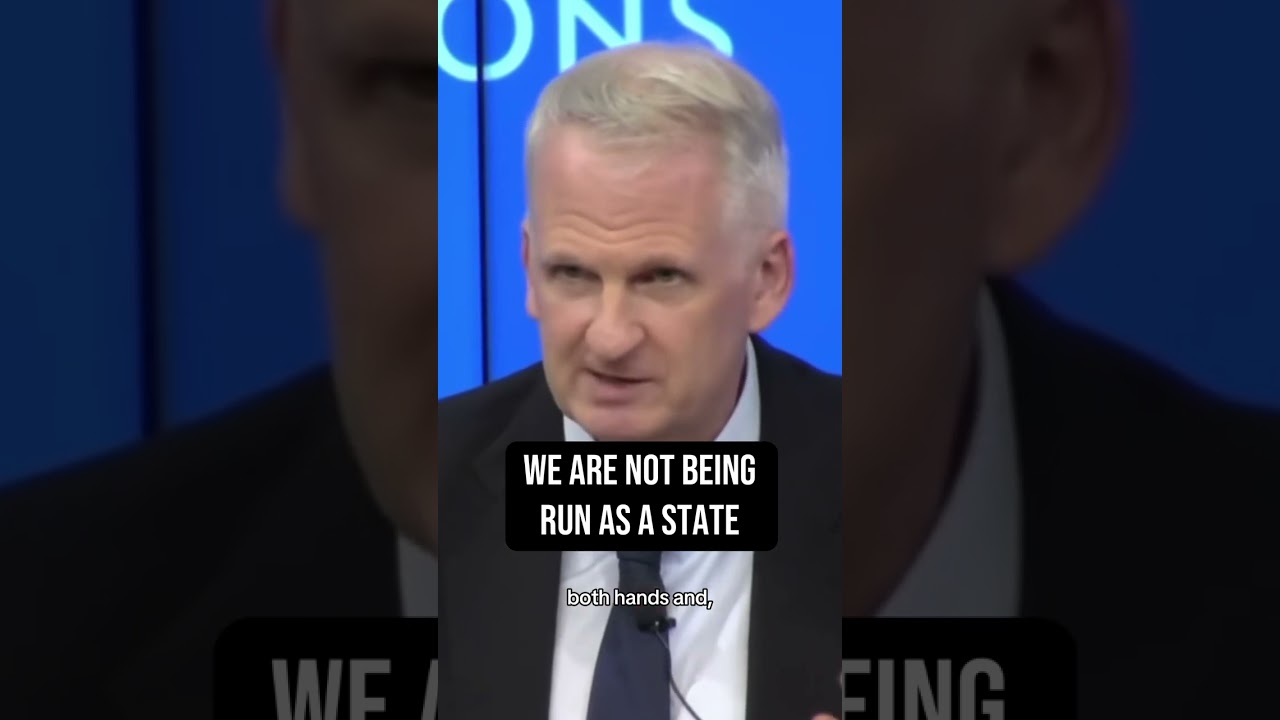
To make sense of where we are, Tim recently sat down with former U.S. Ambassador and Domestic Policy Advisor Susan E. Rice (Ambassador Susan E. Rice) for a wide-ranging thirty-minute conversation about the war, American power, and what this moment says about the state of our democracy.
They began with a fundamental question: Does this administration have a coherent conception of the national interest at all — or was this war undertaken without one? Along those lines, Susan made a striking case for just how unnecessary the war was, which led Tim to frame the conversation around three words that once defined the practice of American statecraft: Diplomacy. Doing the Work. Deterrence.
Diplomacy requires diplomats. Susan pointed to the two years of painstaking, expert-driven negotiations that produced the 2015 Iran nuclear deal — including the involvement of a Secretary of Energy who was himself a nuclear scientist. She contrasted that process with the reportedly rushed June memorandum of understanding negotiated by figures including Steve Witkoff and Jared Kushner, which she described as poorly drafted and sufficiently vague that both sides could walk away with fundamentally different understandings of what they had agreed to.
Doing the work. Tim raised the idea that expertise, relationships, and sustained effort — the kind of career Susan has had — used to be the basis of American power, and that the current leadership treats governance more like opportunism than genuine effort.
Deterrence: Both Tim and Susan agreed that American military power was used extensively in the war, yet failed to achieve its stated goals, which Susan argued undermines the credibility of future threats. Tim added that broadcasting military plans publicly and fighting with munitions the U.S. can’t quickly replace reflects an outdated approach to modern warfare—one that hasn’t absorbed the lessons of Ukraine.
Tim closed by asking whether the war might ultimately help Americans see the connection between what he described as American fecklessness abroad and what is happening here at home.
Susan’s answer was one of my favorite parts of the conversation.
She pointed out that the money, attention, and political capital being spent on war are resources that could instead be devoted to the things Americans actually need: healthcare, Medicaid, rural hospitals, and Social Security — programs she argued this administration has moved to cut or undermine.
She also spoke candidly about a political moment in which dissent is being suppressed and rights are being curtailed. But she ended on a hopeful note, identifying three principles she believes Americans across political lines can still rally around: the Constitution, the equal application of the rule of law, and the founding belief in equality.
There was no better place to end.
I hope you’ll tune in, enjoy the conversation, and share it with anyone else who might be interested. There is a lot here to think about, and I think you’ll learn a great deal from Susan and Tim’s conversation.
Thanks, as ever, for being part of this community of thinkers.
Until next time,
Victor
Sentinel Indexing in Progress
Metadata and chapters are available. Claim extraction for this episode is pending.
All video content is delivered via YouTube embedded players in accordance with the YouTube Terms of Service. Sentinel provides research tools that promote discovery and accountability across political media.