Timothy Sykes
@timothysykestrader·479K subscribers·3.4K videos
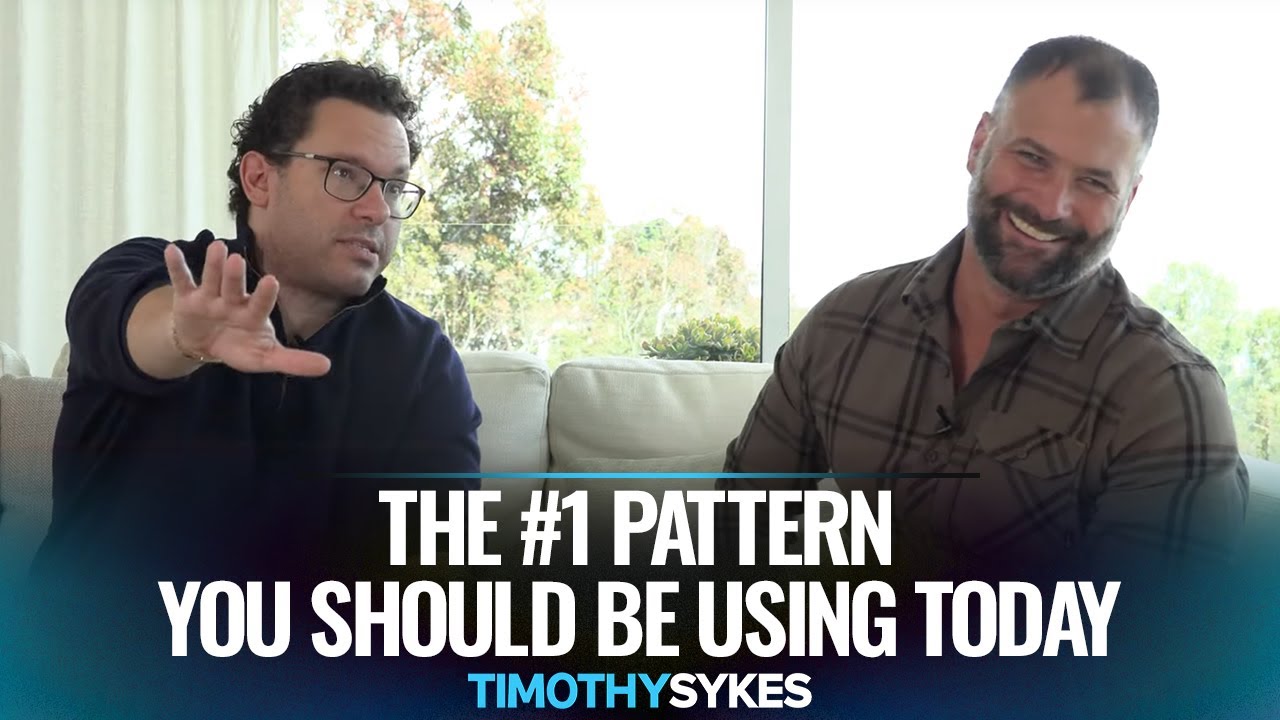
The #1 Pattern You Should Be Using Today
Posted
September 17, 2021
Views
9,028
Likes
417
Comments
42
Engagement
5.08%
September 17, 2021
9,028
417
42
5.08%
Every word spoken in this episode is indexed. Type any phrase to jump straight to the moment it was said.
Type any word or phrase that may have been spoken. Click a result to seek the player to that exact moment.
Try a name, a topic, or a quoted line
 10:36Now Playing
🔴 Check out Tim Bohen’s book that’s all about PATTERNS
🤑👇🏻 EXPAND DESCRIPTION for more LINKS 👇🏻🤑
What does a pattern that long-biased traders use have to do with short sellers? A whole lot more than you think! It’s really important you learn how to short sell if you want to use this pattern. Watch and learn!
LINKS Mentioned:
🔴 Get Tim Bohen’s weekly watchlist built with StocksToTrade
SUGGESTED LINKS:
👉🏼Get my weekly stock watchlist here FREE OF CHARGE
👉🏼See all my trades from the last 20 years
👉🏼SUBSCRIBEto get INSTANT alerts when I post a new video outlining my penny stock trading techniques.*
✅ Share this video with a fellow Trader
✅ Recommended video
✅ Recommended playlists:
Day Trading 101Starter Videos
My Millionaire Students How They Did It
🔴 FULL DESCRIPTION:
I’m here again with Tim Bohen, and we’re talking about what patterns we think are working right now…
Keep in mind that this video may be a few weeks old by the time you watch it. So make sure you do enough research before deciding to employ this pattern.
Now, the pattern Bohen prefers to use often is what he calls the dip and rip.
I know. It sounds like an item at a fast-food restaurant. But it’s actually pretty similar to my morning panic pattern.
The whole key is to buy the dip and take profits when you’ve taken your 10%, 20%, and sometimes 50% gains…
But it’s not always guaranteed this pattern will work out.
Sometimes you could buy the dip and it gets even “dippier.”
It happens — we take losses as traders. You just have to remember my #1 rule and cut your losses quickly.
But to try to minimize losses, you should also make sure you understand the components of what makes this pattern work…
And you do that by watching this video!
Bohen and I get into the pattern you should learn ASAP.
We’ll also get into why you should learn about short selling and what that has to do with this pattern we’re referring to — tune in!
Do you promise to learn the process and learn the patterns for yourself? If so, comment below and let me know what you think about this video!
✅ Follow Tim Sykes and his trading travels:
#TimothySykes #ShortSelling #TradingPatterns
Hey, it’s Tim Sykes, millionaire mentor and trader. Thank you for watching my videos. I hope that they help you. I want to share everything that I've learned over the years. You can check out more videos right over there, and also click ‘subscribe’ so that you can watch all of these videos, get that knowledge and become my next challenge student.*
(All content on this website is intended for educational and informational purposes only.
The material on this website is not to be construed as (i) a recommendation to buy or sell stocks, (ii) investment advice, or (iii) a representation that the investments being discussed are suitable or appropriate for any person. No representation is being made that following the instructor’s strategies will guarantee a particular outcome or result in profits. The price and value of stocks may fluctuate depending upon various market factors, and, as such, the strategies used by the instructors to adjust for those fluctuations may change without notice.
Sentinel Indexing in Progress
Metadata and chapters are available. Claim extraction for this episode is pending.
All video content is delivered via YouTube embedded players in accordance with the YouTube Terms of Service. Sentinel provides research tools that promote discovery and accountability across political media.
There are significant risks associated with trading stocks and you must be aware of those risks, and willing to accept them, in order to invest in these markets. Past performance of any trading system or methodology is not indicative of future results. You should always conduct your own analysis before making investments.
You should not trade with money you cannot afford to lose and there is a risk that trading stocks will result in a complete loss of your investment. Trading stocks, particularly penny stocks, is not suitable for everyone and requires hard work, due diligence, capital, and substantial time to monitor the market and timely execute trades.)