United States Institute of Peace
@unitedstatesinstituteofpeace·110K subscribers·2.2K videos
Iran Sanctions: What the U.S. Cedes in a Nuclear Deal
Posted
July 8, 2014
Views
1,611
Likes
8
Comments
3
Engagement
July 8, 2014
1,611
8
3
0.68%
Every word spoken in this episode is indexed. Type any phrase to jump straight to the moment it was said.
Type any word or phrase that may have been spoken. Click a result to seek the player to that exact moment.
Try a name, a topic, or a quoted line
 1:26:54Now Playing
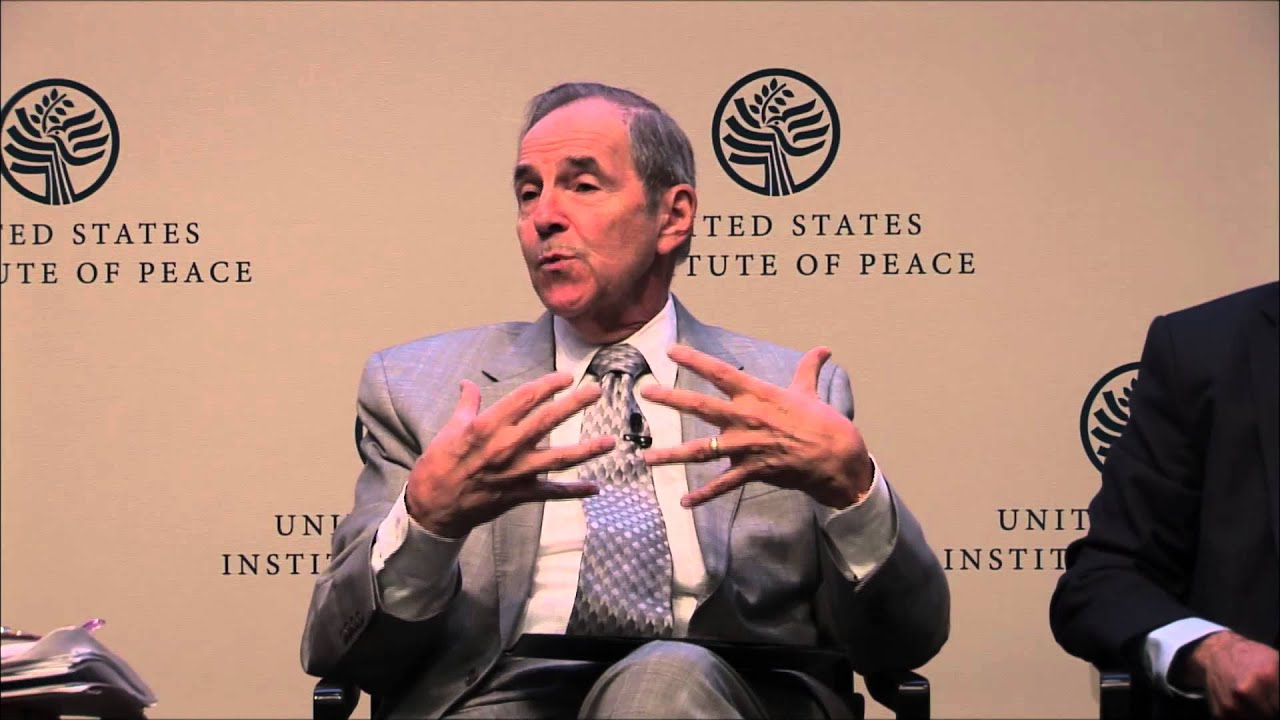
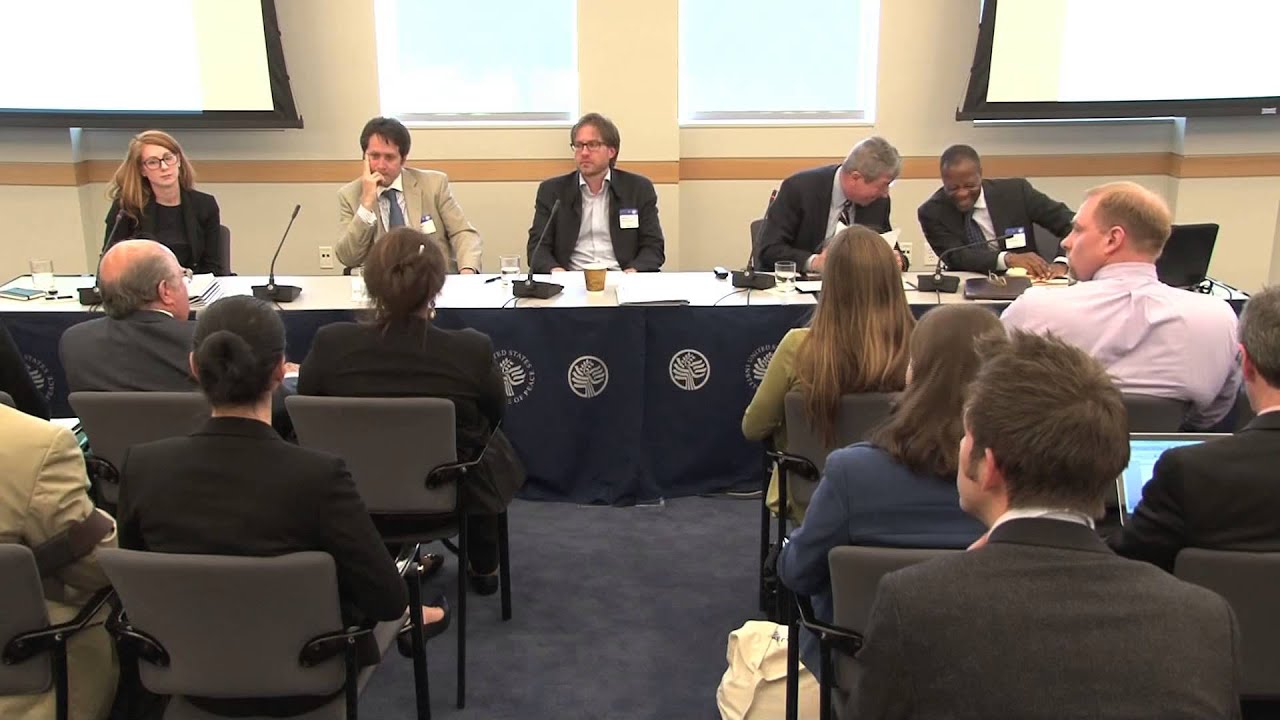
The last event in our three-part series will address the complex questions and challenges of sanctions in the Iran nuclear talks.
Since 2006, the United States has imposed more sanctions on Iran than any other country, so it may have to cede the most ground to get a nuclear deal in 2014. Over the years, Republican and Democratic administrations have issued 16 executive orders, and Congress has passed nine acts imposing punitive sanctions. What does Tehran want? What are the six major powers considering as incentives to cooperate? What isn't on the table? The White House and Congress have imposed their own types of sanctions. What would either need to do to lift them? What difference would the various sanctions relief packages make to Iran?
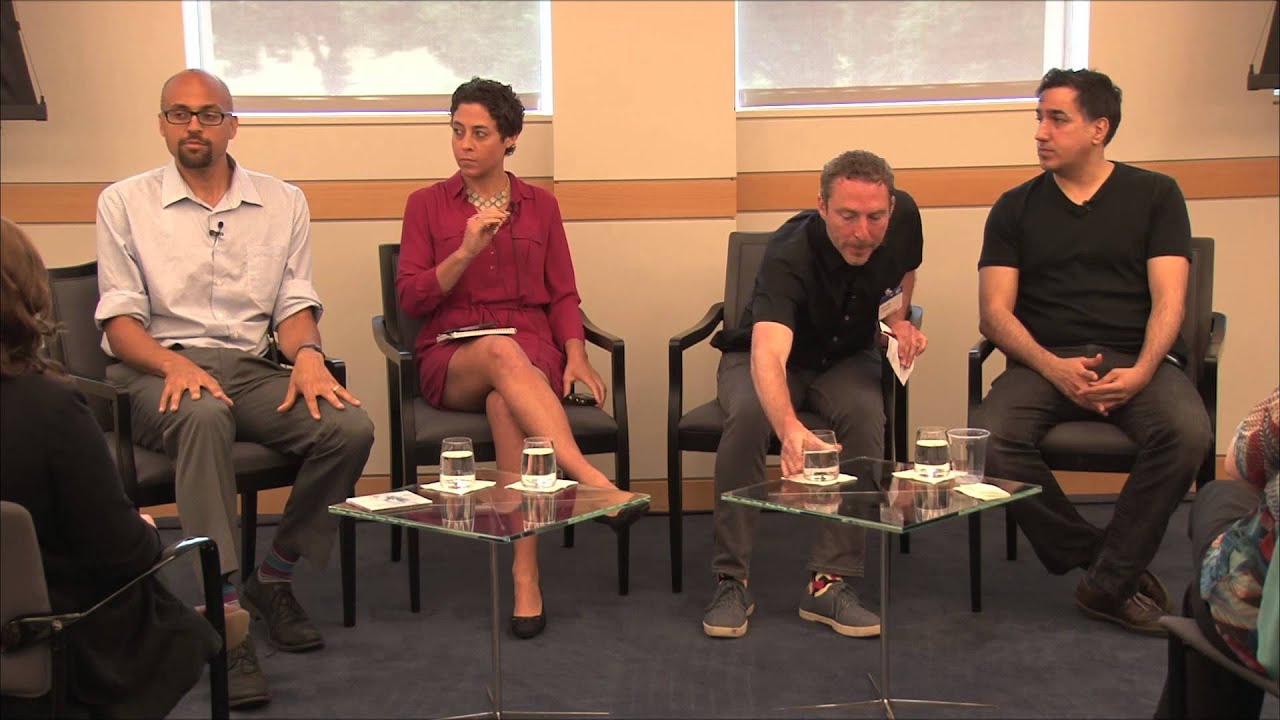
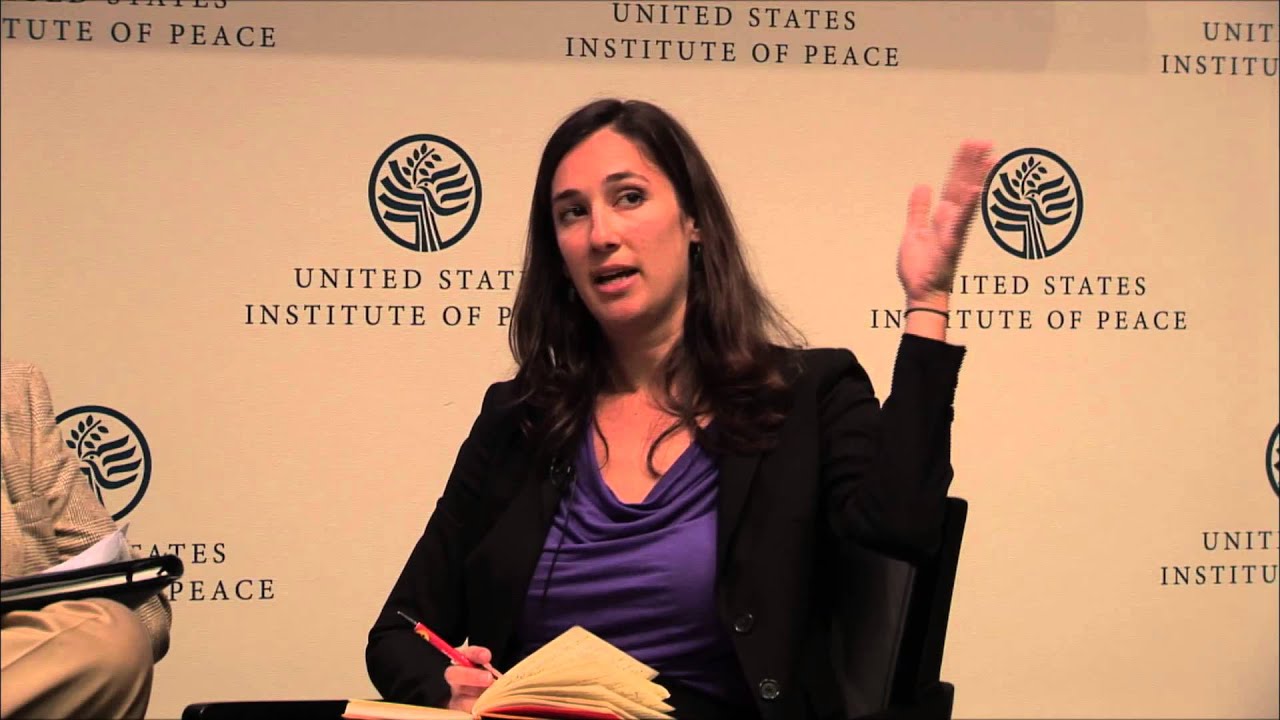
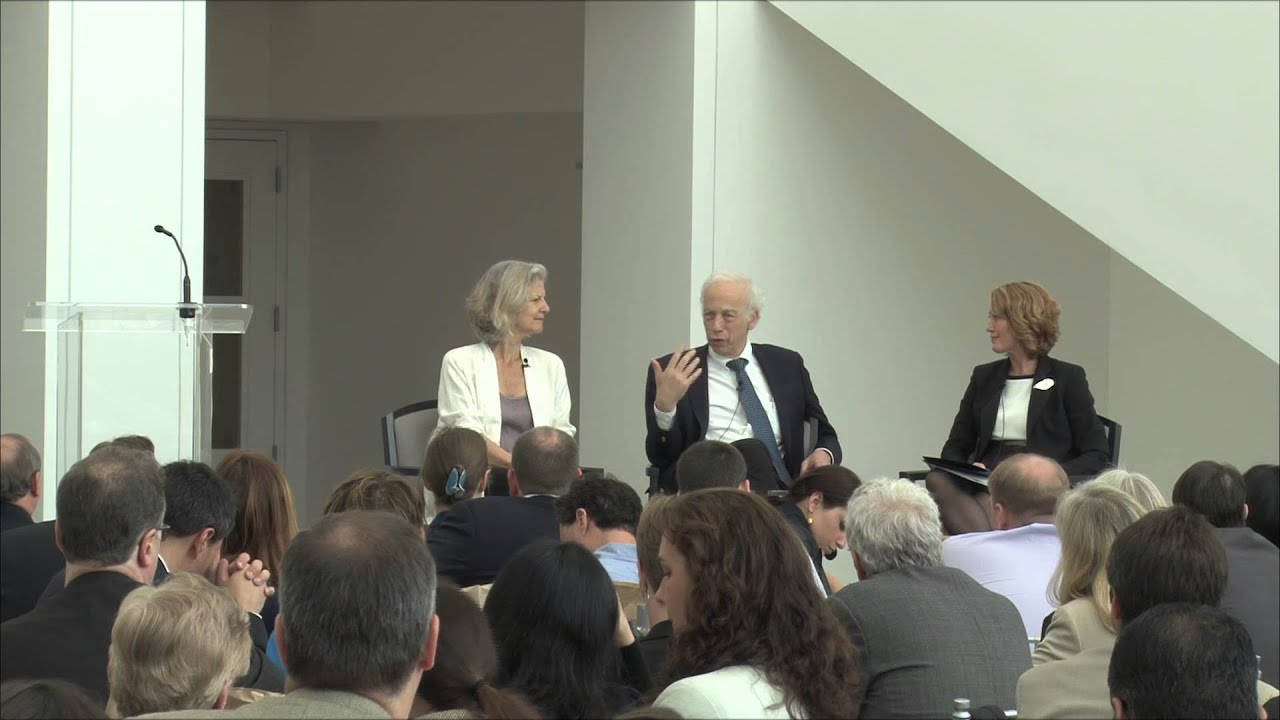
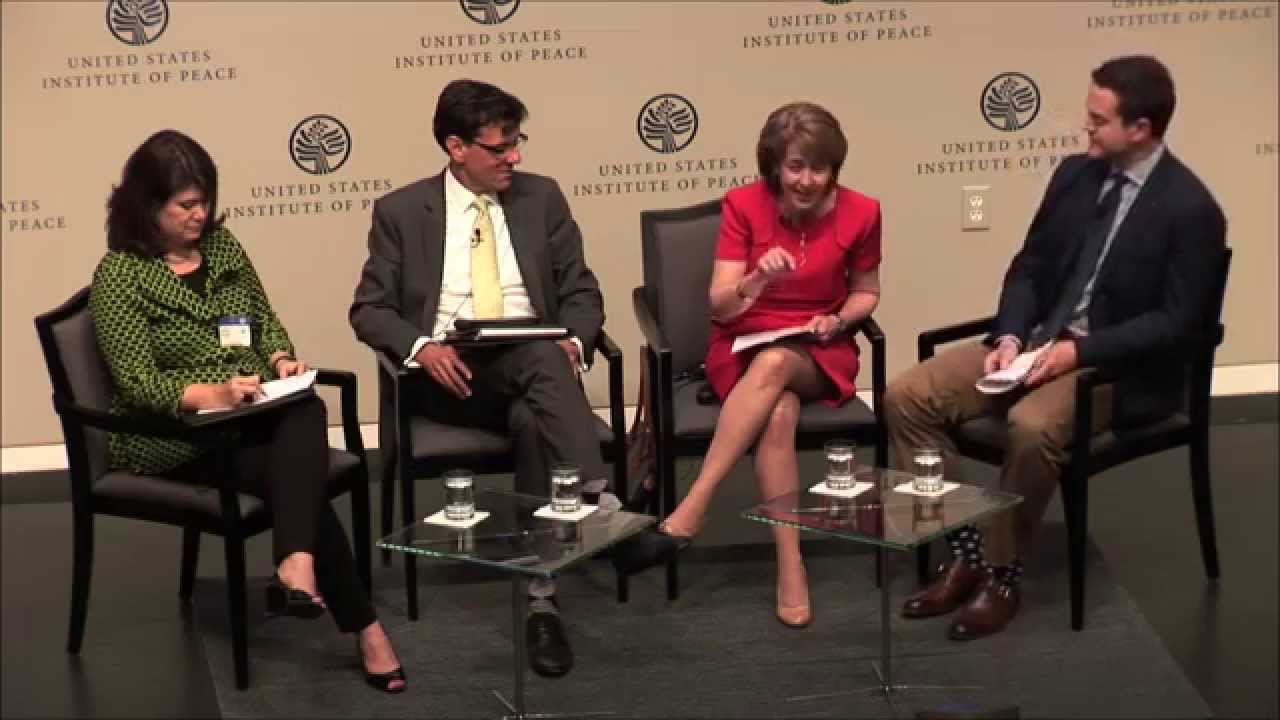
On July 8, four panelists will address the complex questions and challenges of sanctions in the Iran nuclear talks. It's the last of three discussions hosted by an unprecedented coalition of eight Washington think tanks and organizations to coincide with the last three rounds of negotiations. A rundown of the second event is available on USIP's The Iran Primer with a video, and on USIP's blog The Olive Branch. The coalition includes the U.S. Institute of Peace, RAND, the Woodrow Wilson International Center for Scholars, the Arms Control Association, the Center for a New American Security, the Stimson Center, Partnership for a Secure America, and the Ploughshares Fund.
Sentinel Indexing in Progress
Metadata and chapters are available. Claim extraction for this episode is pending.
All video content is delivered via YouTube embedded players in accordance with the YouTube Terms of Service. Sentinel provides research tools that promote discovery and accountability across political media.