United States Institute of Peace
@unitedstatesinstituteofpeace·110K subscribers·2.2K videos
When Movements Face Repression
Posted
December 6, 2019
Views
640
Likes
9
Comments
3
Engagement
December 6, 2019
640
9
3
1.88%
Every word spoken in this episode is indexed. Type any phrase to jump straight to the moment it was said.
Type any word or phrase that may have been spoken. Click a result to seek the player to that exact moment.
Try a name, a topic, or a quoted line
 1:27:36Now Playing
Protest movements are on the rise globally. From Hong Kong to Chile to Lebanon, people are taking to the streets in large numbers to demand social and political change. But protestors that challenge the status quo often face repression from state and nonstate armed actors—over 90% of major nonviolent campaigns from 1900-2014 experienced some form of government repression, often in violation of internationally recognized rights to freedom of expression, assembly, and association. In the face of violent repression, how can movements maintain nonviolent discipline and resilience among their members? And how critical is nonviolent discipline for movement success?
There is increasing evidence that bottom-up nonviolent action can effectively create major positive political changes, from building democracy to promoting human rights. But when nonviolent movements struggle with breakdowns in nonviolent discipline, they risk losing public sympathy and participation or prompting even greater government repression. While it would be unrealistic to assume that movements can always stay totally nonviolent—especially when they often face governments that use the media to frame protests as violent, or that employ agent provocateurs to foment violence among opposing groups—mixing violent and nonviolent tactics remains strategically problematic.
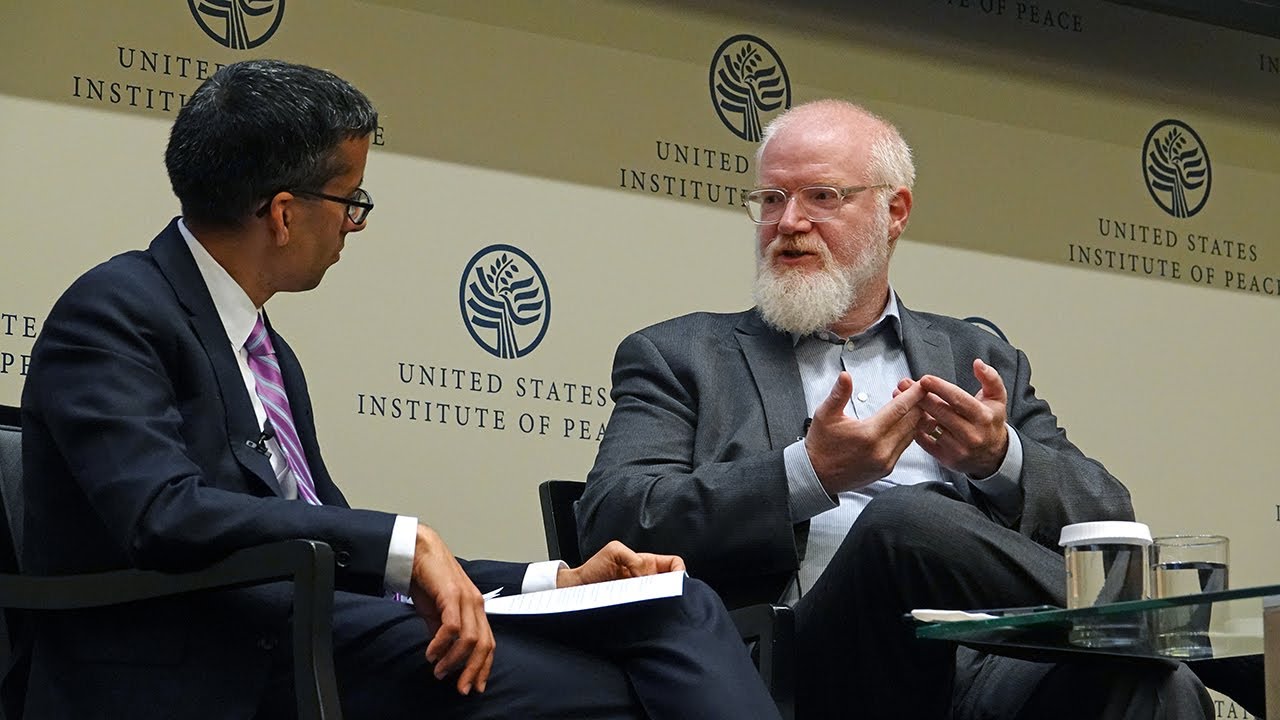
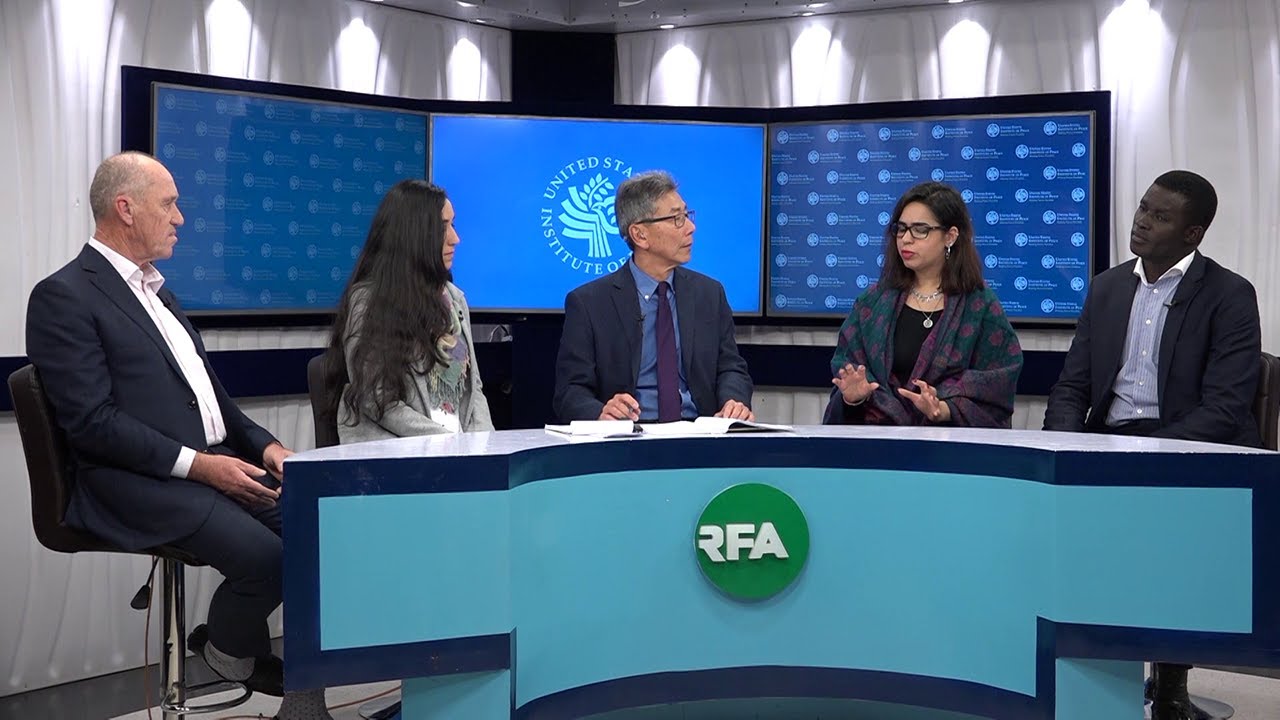
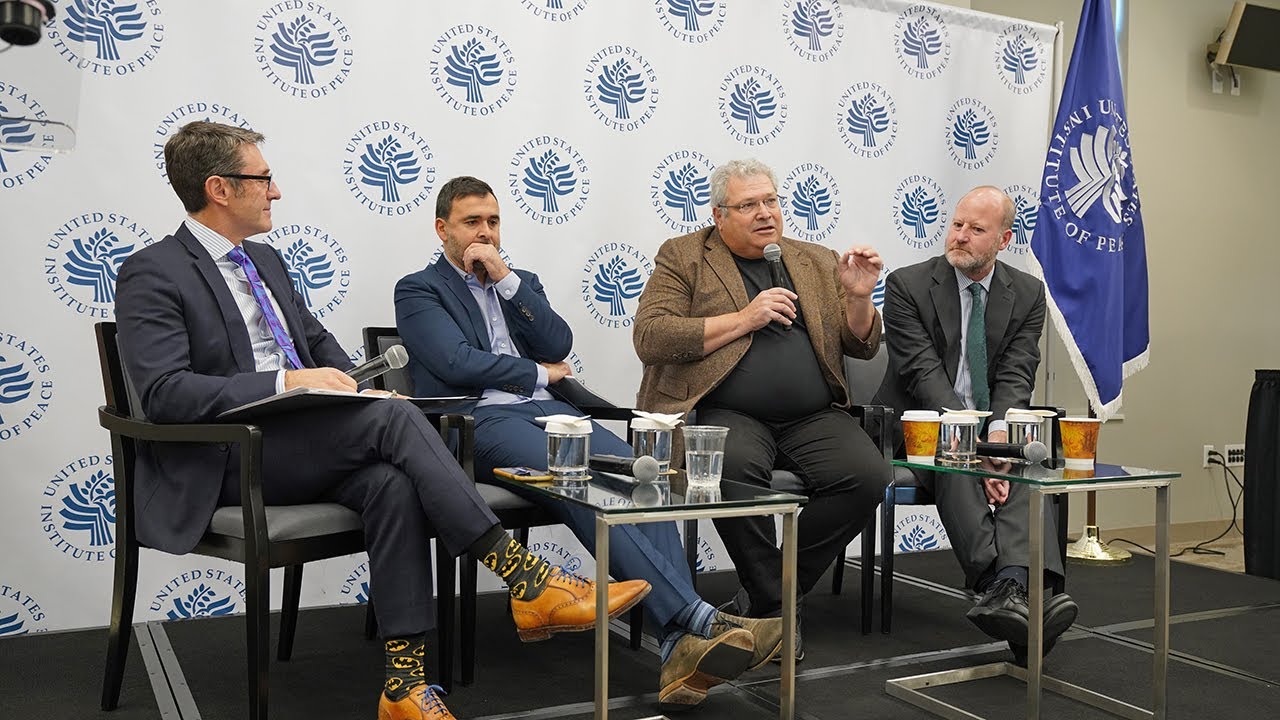
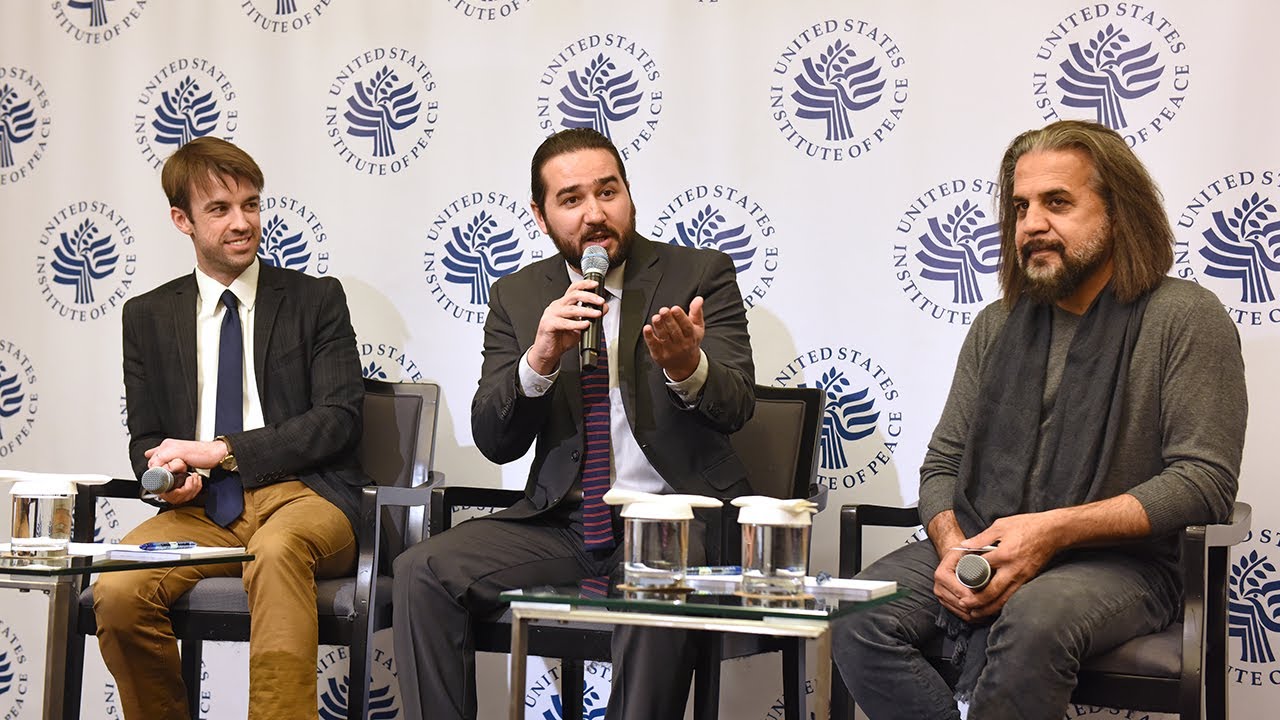
USIP hosted a Facebook Live conversation with civil resistance scholars and experts that shed light on activists’ experiences dealing with violent repression in Hong Kong, Tunisia, and Sudan, as well as the latest research on factors that encourage and sustain nonviolent discipline, particularly when movements encounter violence from police and other security forces.
For more information about this event, visit:
Speakers:
Zied Boussen
Democracy and Human Rights Activist and Researcher
Victoria Hui
Faculty Fellow, University of Notre Dame
Ivan Marovic
Senior Director of Global Training and Movement Support, Rhize
Jonathan Pinckney
Program Officer, U.S. Institute of Peace
Azaz Shami
Human Rights Advocate and Researcher
Johnson Yeung Ching-yin
Human Rights Advocate
Maria Stephan, moderator
Director, Nonviolent Action, U.S. Institute of Peace
Connect with us!
Subscribe to our YouTube channel
Newsletters
The United States Institute of Peace is a national, nonpartisan, independent institute, founded by Congress and dedicated to the proposition that a world without violent conflict is possible, practical, and essential for U.S. and global security. In conflict zones abroad, the Institute works with local partners to prevent, mitigate, and resolve violent conflict. To reduce future crises and the need for costly interventions, USIP works with governments and civil societies to help their countries solve their own problems peacefully. The Institute provides expertise, training, analysis, and support to those who are working to build a more peaceful, inclusive world.
Sentinel Indexing in Progress
Metadata and chapters are available. Claim extraction for this episode is pending.
All video content is delivered via YouTube embedded players in accordance with the YouTube Terms of Service. Sentinel provides research tools that promote discovery and accountability across political media.