United States Institute of Peace
@unitedstatesinstituteofpeace·110K subscribers·2.2K videos
The Impact of COVID-19 on Local Peacebuilding in the Middle East (Arabic)
Posted
October 14, 2020
Views
682
Likes
6
Engagement
0.88%
October 14, 2020
682
6
0.88%
Every word spoken in this episode is indexed. Type any phrase to jump straight to the moment it was said.
Type any word or phrase that may have been spoken. Click a result to seek the player to that exact moment.
Try a name, a topic, or a quoted line
 1:29:54Now Playing
Note: this event will be streamed in Arabic on YouTube. For the English stream, please visit USIP's LinkedIn, Facebook, or Twitter.
Reflections from Yemen, Syria, and Iraq
The outbreak of COVID-19 in conflict zones was regarded by many as an opportunity for peace. But today, the stark reality in many conflict zones has shown that the opportunity may have been missed. Cease-fires are being ignored, and the politics of the pandemic have enabled conflict and violence rather than deterred them. The past few months have shown that while the COVID-19 health crisis will eventually subside, its economic, social, and political implications will unfortunately outlive it. In the face of these challenges, how are local peacebuilding efforts in the Middle East coping with the far-reaching effects of the pandemic in both the short- and long-term?
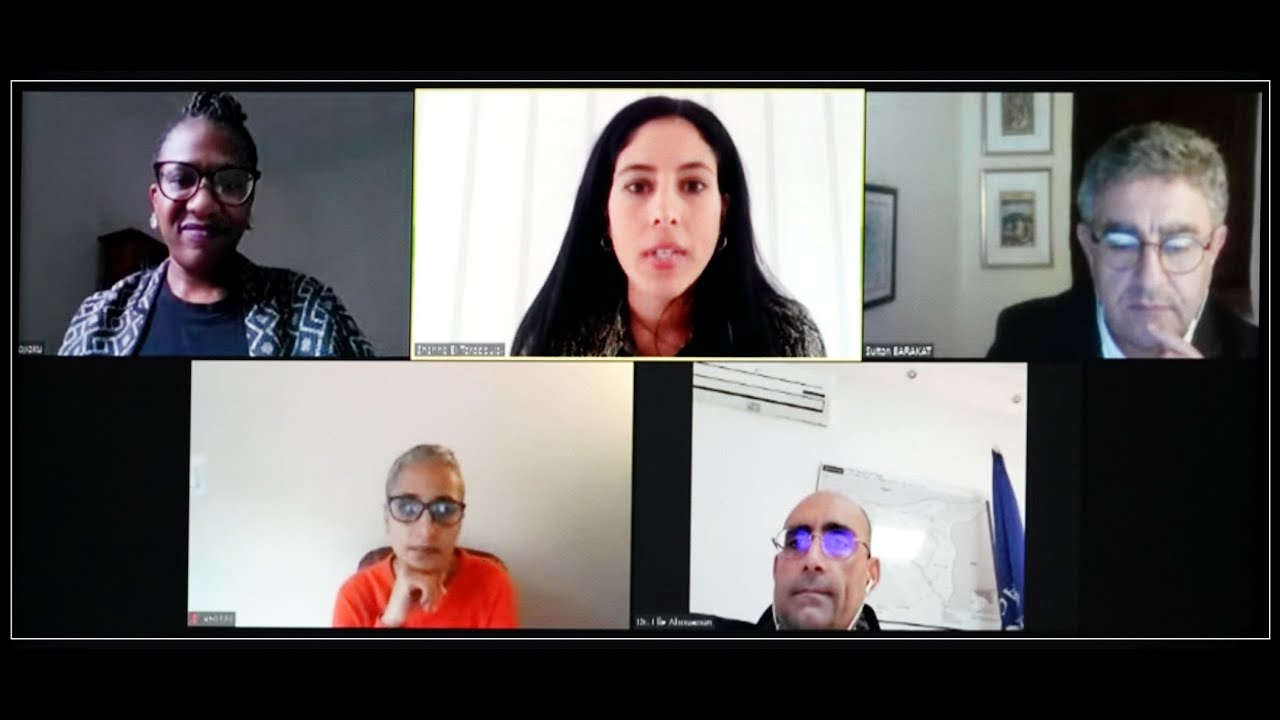
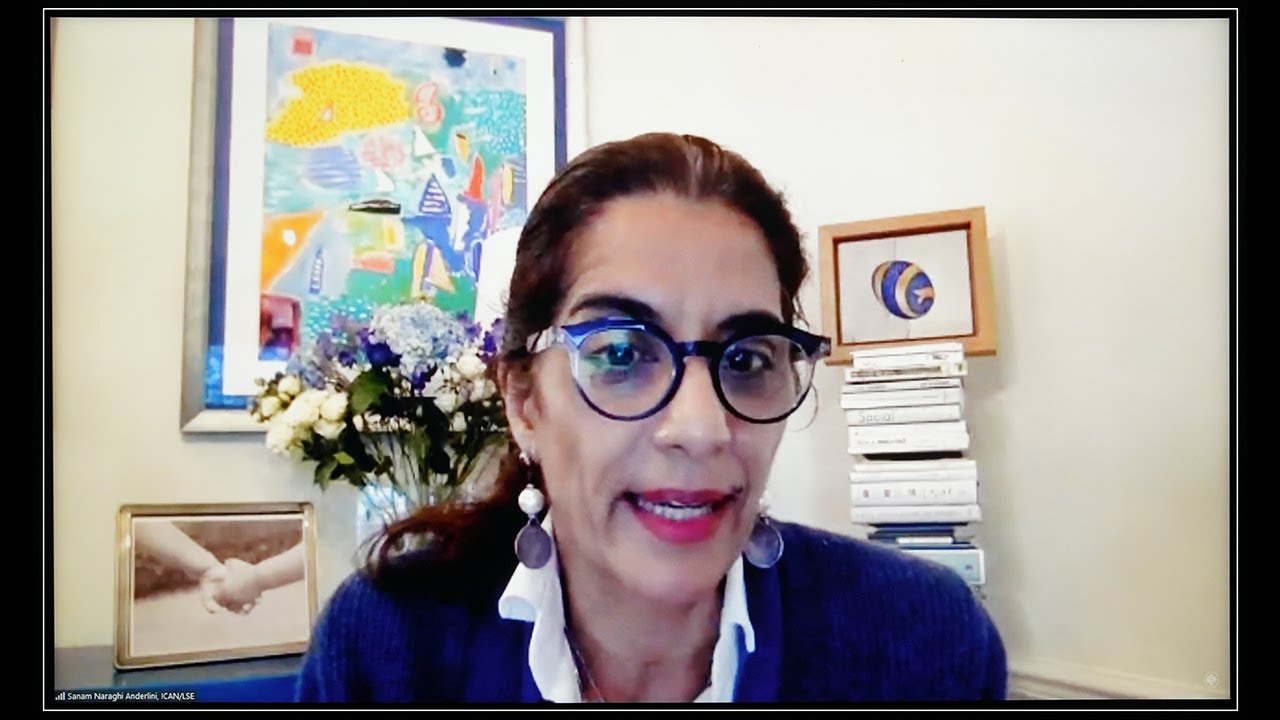
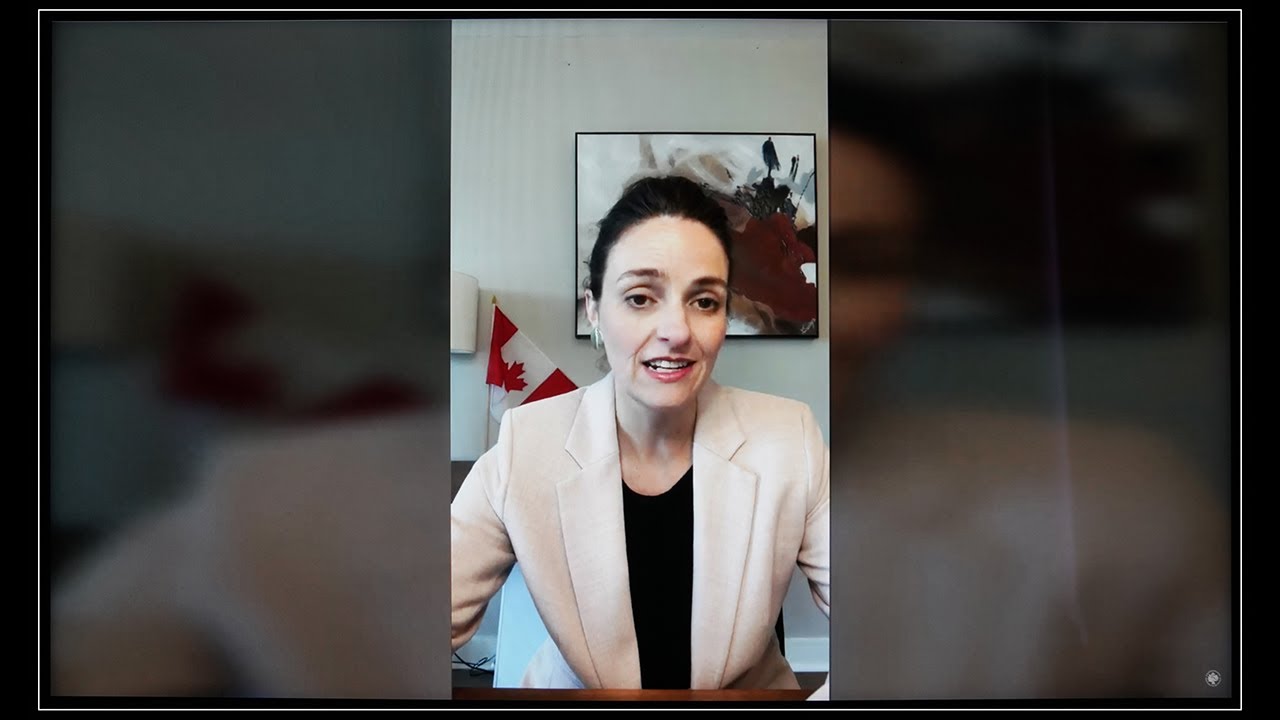
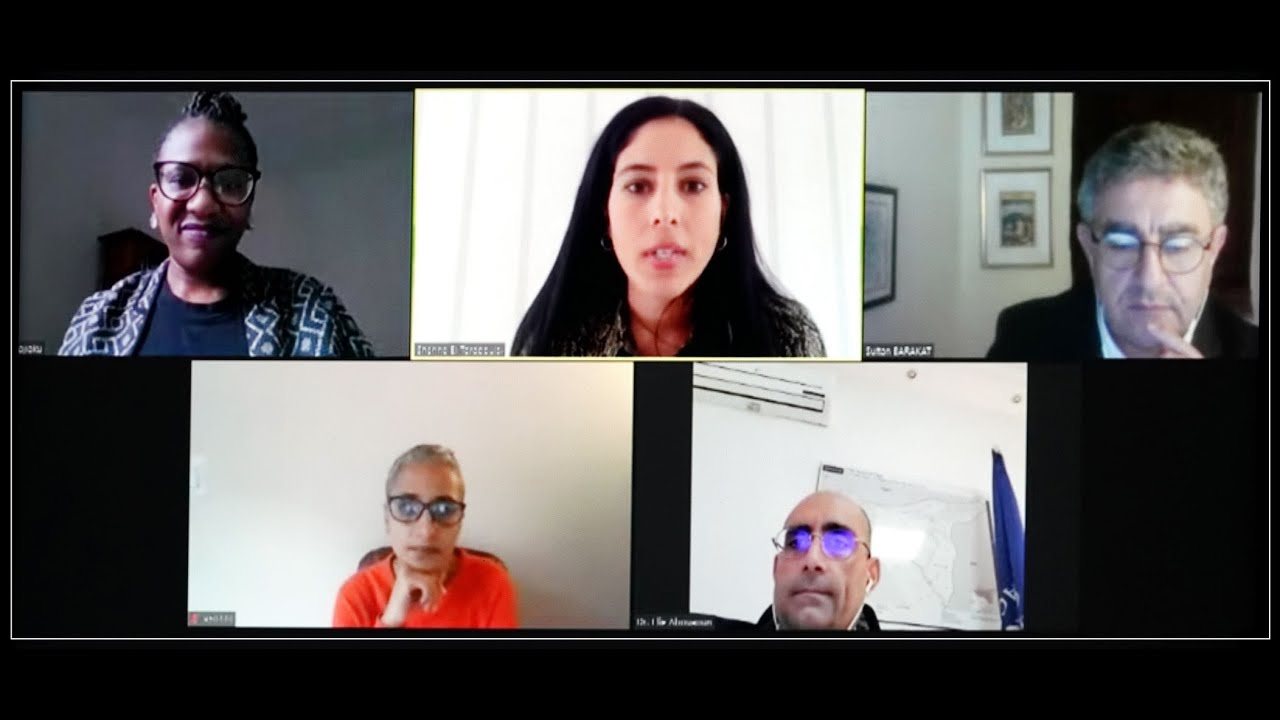
USIP joined the Overseas Development Institute (ODI) for a panel discussion featuring peacebuilding experts and practitioners from the Middle East. The online conversation looked at the implications of COVID-19 on peacebuilding at the local level in three particular Middle Eastern contexts—Yemen, Syria, and Iraq—as well as how regional and international actors should engage in the Middle East to support local peace actors as they try to preserve the gains they’ve made over the past few years.
Speakers:
Dr. Elie Abouaoun, opening remarks
Director of Middle East and North Africa Programs, U.S. Institute of Peace
Dr. Sultan Barakat
Founding Director, Center for Conflict and Humanitarian Studies
Dr. Kathryn Nwajiaku-Dahou, opening remarks
Director of Politics and Governance, ODI
Mrs. Nadwa Al-Dawsari
Non-resident Fellow, The Middle East Institute
Mrs. Noor Qais
Program Officer, Sanad for Peacebuilding, Iraq
Dr. Sherine Taraboulsi-McCarthy, moderator
Interim Senior Research Fellow, The Politics and Governance Program (ODI)
For more information about this event, please visit
Connect with us!
Subscribe to our YouTube channel
Newsletters
The United States Institute of Peace is a national, nonpartisan, independent institute, founded by Congress and dedicated to the proposition that a world without violent conflict is possible, practical, and essential for U.S. and global security. In conflict zones abroad, the Institute works with local partners to prevent, mitigate, and resolve violent conflict. To reduce future crises and the need for costly interventions, USIP works with governments and civil societies to help their countries solve their own problems peacefully. The Institute provides expertise, training, analysis, and support to those who are working to build a more peaceful, inclusive world.
Sentinel Indexing in Progress
Metadata and chapters are available. Claim extraction for this episode is pending.
All video content is delivered via YouTube embedded players in accordance with the YouTube Terms of Service. Sentinel provides research tools that promote discovery and accountability across political media.