United States Institute of Peace
@unitedstatesinstituteofpeace·110K subscribers·2.2K videos
The Nine Lives of Pakistan: A Discussion with Declan Walsh
Posted
November 18, 2020
Views
4,100
Likes
64
Comments
13
November 18, 2020
4,100
64
13
1.88%
Every word spoken in this episode is indexed. Type any phrase to jump straight to the moment it was said.
Type any word or phrase that may have been spoken. Click a result to seek the player to that exact moment.
Try a name, a topic, or a quoted line
 1:02:12Now Playing
Declan Walsh is no stranger to the political, religious, and ethnic fault lines that threaten Pakistan’s democracy. After spending a decade in the country as a correspondent for The Guardian and as bureau chief for The New York Times, Walsh was expelled from Pakistan in 2013 for “undesirable activities.” Forced to leave the country within 72 hours, his expulsion drew intense international protest for running counter to Pakistan’s professed democratic values.
In the years since his departure, Pakistan has continued to struggle with its democratic and pluralistic identity—with competing voices vying for supremacy in defining the Pakistani narrative. Despite perennial problems and challenges, Pakistan continues to surprise and often bewilder observers with its ability to weather many storms.
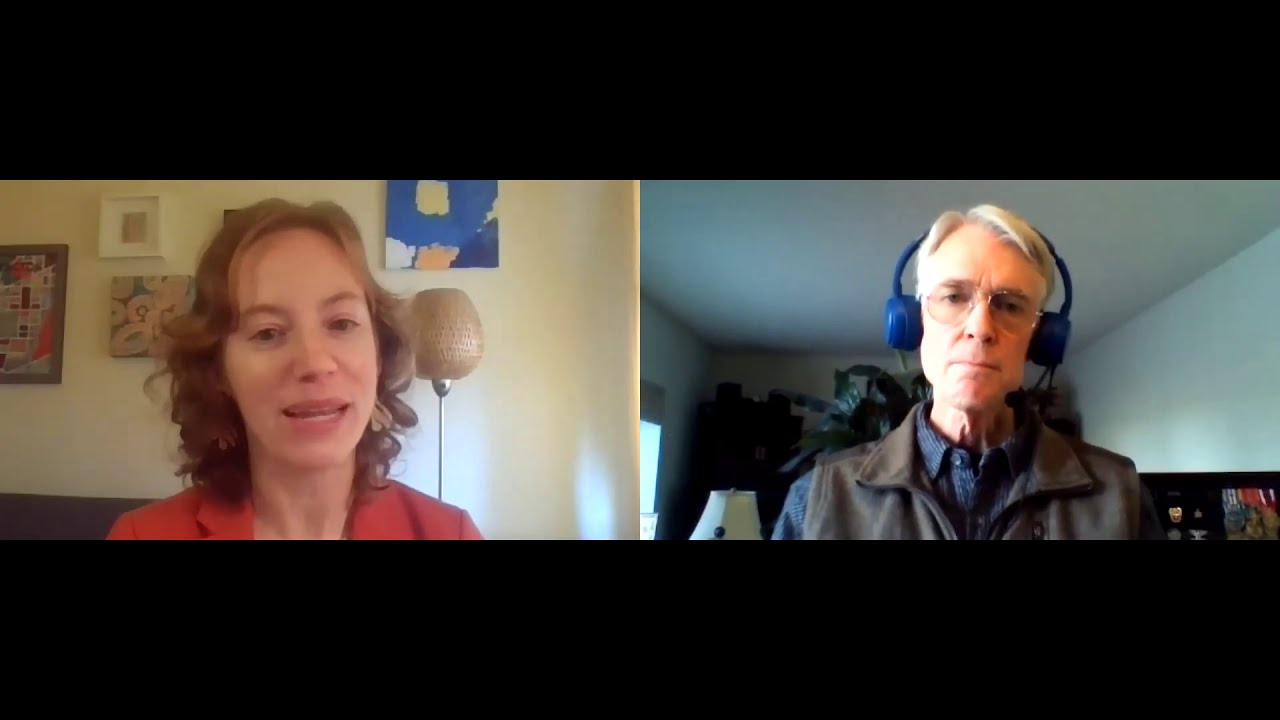
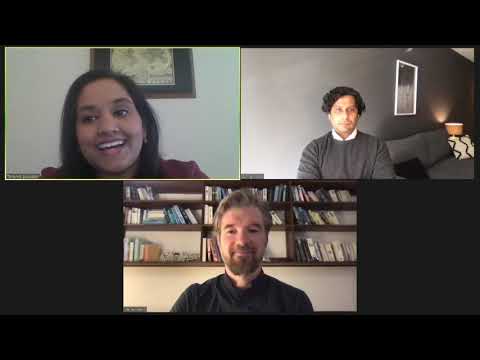
USIP hosted Declan Walsh for a discussion of his new book, “The Nine Lives of Pakistan: Dispatches from a Divided Nation,” which analyzes the complexities of the country’s power dynamics, ethnic and religious conflicts, and identity crisis through the lens of nine individuals from diverse backgrounds. These nine people offer the audience a window into the dichotomies of life in Pakistan and lessons to better understand the fascinating politics of the country.
Speakers:
Tamanna Salikuddin
Director, South Asia Programs, U.S. Institute of Peace
Declan Walsh
Cairo Bureau Chief, The New York Times; Author, “The Nine Lives of Pakistan”
Cyril Almeida
Visiting Senior Expert, U.S. Institute of Peace
For more information about this event, please visit
Connect with us!
Subscribe to our YouTube channel
Newsletters
The United States Institute of Peace is a national, nonpartisan, independent institute, founded by Congress and dedicated to the proposition that a world without violent conflict is possible, practical, and essential for U.S. and global security. In conflict zones abroad, the Institute works with local partners to prevent, mitigate, and resolve violent conflict. To reduce future crises and the need for costly interventions, USIP works with governments and civil societies to help their countries solve their own problems peacefully. The Institute provides expertise, training, analysis, and support to those who are working to build a more peaceful, inclusive world.
Sentinel Indexing in Progress
Metadata and chapters are available. Claim extraction for this episode is pending.
All video content is delivered via YouTube embedded players in accordance with the YouTube Terms of Service. Sentinel provides research tools that promote discovery and accountability across political media.