United States Institute of Peace
@unitedstatesinstituteofpeace·110K subscribers·2.2K videos
In Libya's Ubari, a Return to Peace
Posted
April 5, 2022
Views
4,036
Likes
25
Engagement
0.62%
April 5, 2022
4,036
25
0.62%
Every word spoken in this episode is indexed. Type any phrase to jump straight to the moment it was said.
Type any word or phrase that may have been spoken. Click a result to seek the player to that exact moment.
Try a name, a topic, or a quoted line
 4:23Now Playing
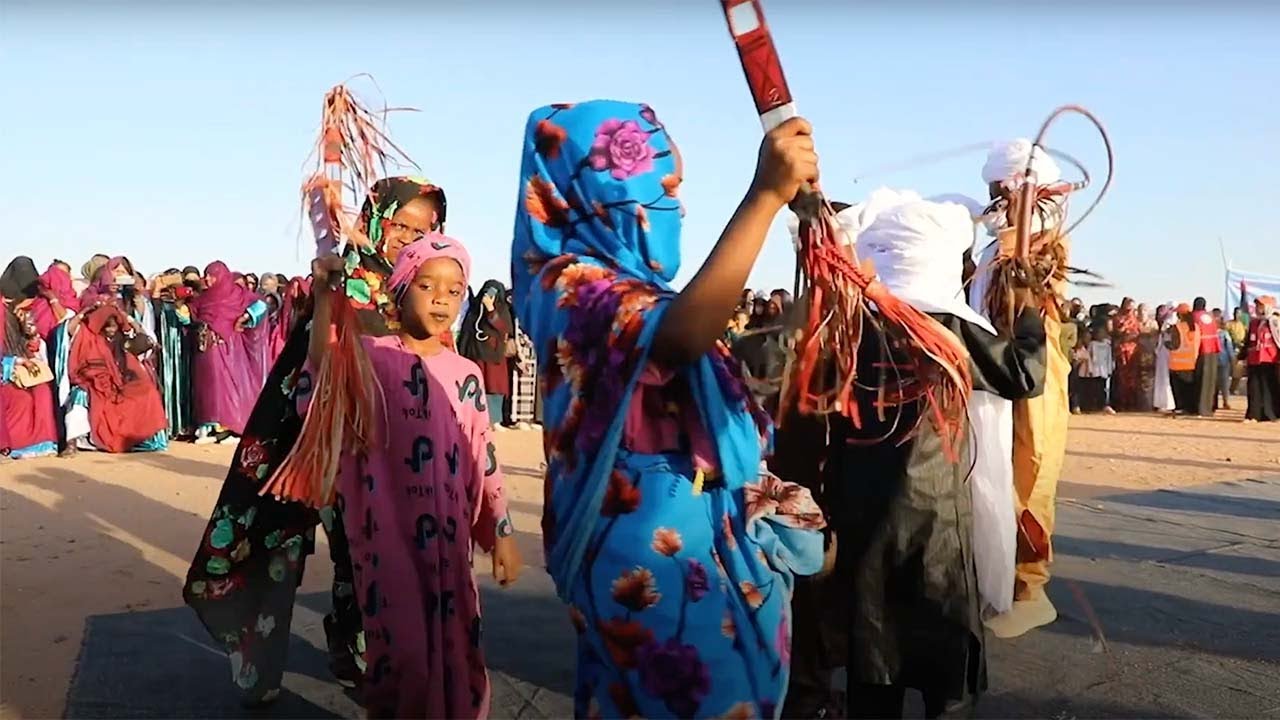
The strategically important town of Ubari and the broader Fezzan region of southern Libya avoided the worst of the warfare that shattered the country after the 2011 overthrow of Muammar Qaddafi, but the continued national power struggle combined with southern rivalries to ignite fighting in Ubari and other parts of Fezzan beginning in 2014. In particular, Ubari suffered warfare between the ethnic Tebu and the Tuareg, two non-Arab groups indigenous to the broad Saharan region that were marginalized under Qaddafi’s rule. The fighting, which killed hundreds of people, was ended only through a cease-fire brokered by outside parties and a peacekeeping force from a neutral tribe.
Building peace and better governance in Ubari and the Fezzan region is important not only to Libya’s national peace process but also to better security across the Sahel, Maghreb and Mediterranean regions. Ubari and Fezzan’s other cities are transit hubs for trafficking of weapons and fighters across Fezzan to conflict zones in the Maghreb and Sahel — and for the smuggling of refugees from sub-Saharan Africa to Europe. Ubari is close to Libya’s largest oil field and protests by Libyan youth in recent years have forced different fields to shut down production.
Over the past two years, even as fighting continued in other parts of Libya, civic activists in Ubari and the Fezzan region continued to build peace with support from USIP. This video tells that story, which led recently, with funding from the World Food Program, to the inauguration of a reconstructed central marketplace that has always been a core of the city’s life and economy.
Learn more about peacebuilding in Ubari
Connect with us!
Subscribe to our YouTube channel
Newsletters
The United States Institute of Peace is a national, nonpartisan, independent institute, founded by Congress and dedicated to the proposition that a world without violent conflict is possible, practical and essential for U.S. and global security. In conflict zones abroad, the Institute works with local partners to prevent, mitigate, and resolve violent conflict. To reduce future crises and the need for costly interventions, USIP works with governments and civil societies to build local capacities to manage conflict peacefully. The Institute pursues its mission by linking research, policy, training, analysis and direct action to support those who are working to build a more peaceful, inclusive world. Learn more about USIP
Sentinel Indexing in Progress
Metadata and chapters are available. Claim extraction for this episode is pending.
All video content is delivered via YouTube embedded players in accordance with the YouTube Terms of Service. Sentinel provides research tools that promote discovery and accountability across political media.