United States Institute of Peace
@unitedstatesinstituteofpeace·110K subscribers·2.2K videos
China, India and Pakistan: Standing at the Brink of Crisis
Posted
May 17, 2022
Views
5,630
Likes
45
Comments
6
May 17, 2022
5,630
45
6
0.91%
Every word spoken in this episode is indexed. Type any phrase to jump straight to the moment it was said.
Type any word or phrase that may have been spoken. Click a result to seek the player to that exact moment.
Try a name, a topic, or a quoted line
 1:30:04Now Playing
A Look at the Final Report from USIP's Senior Study Group on Strategic Stability in Southern Asia
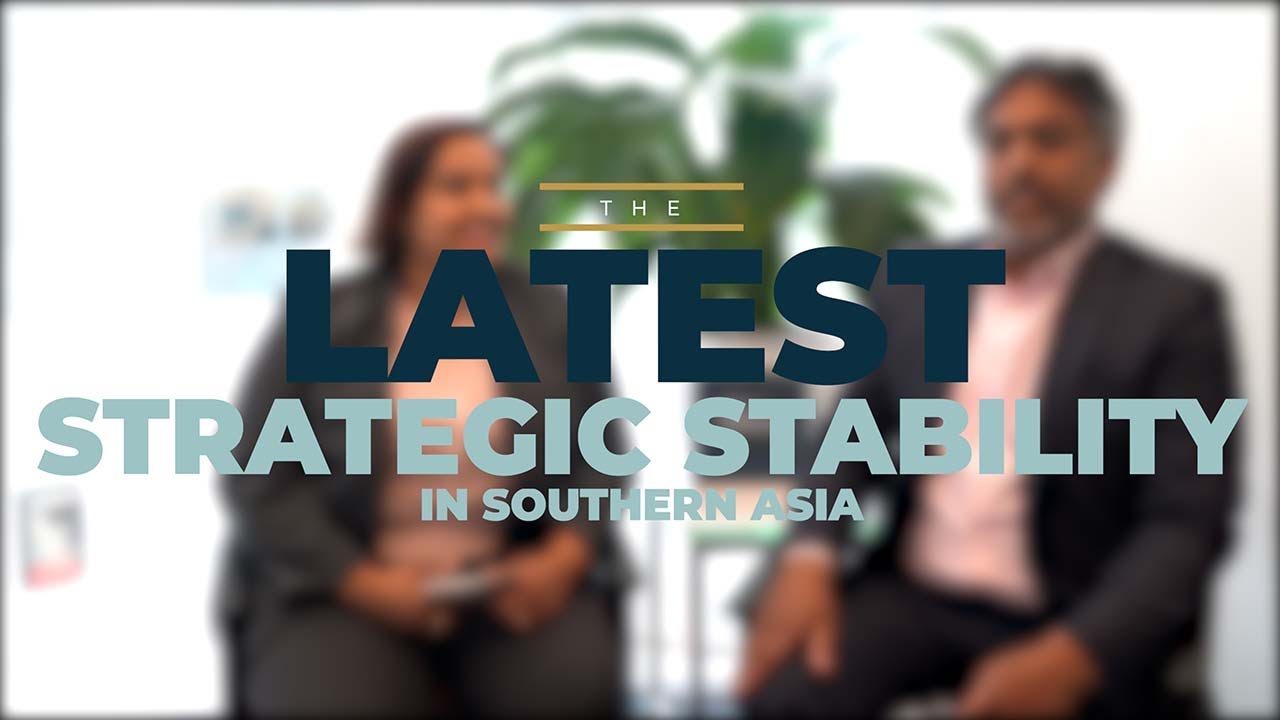
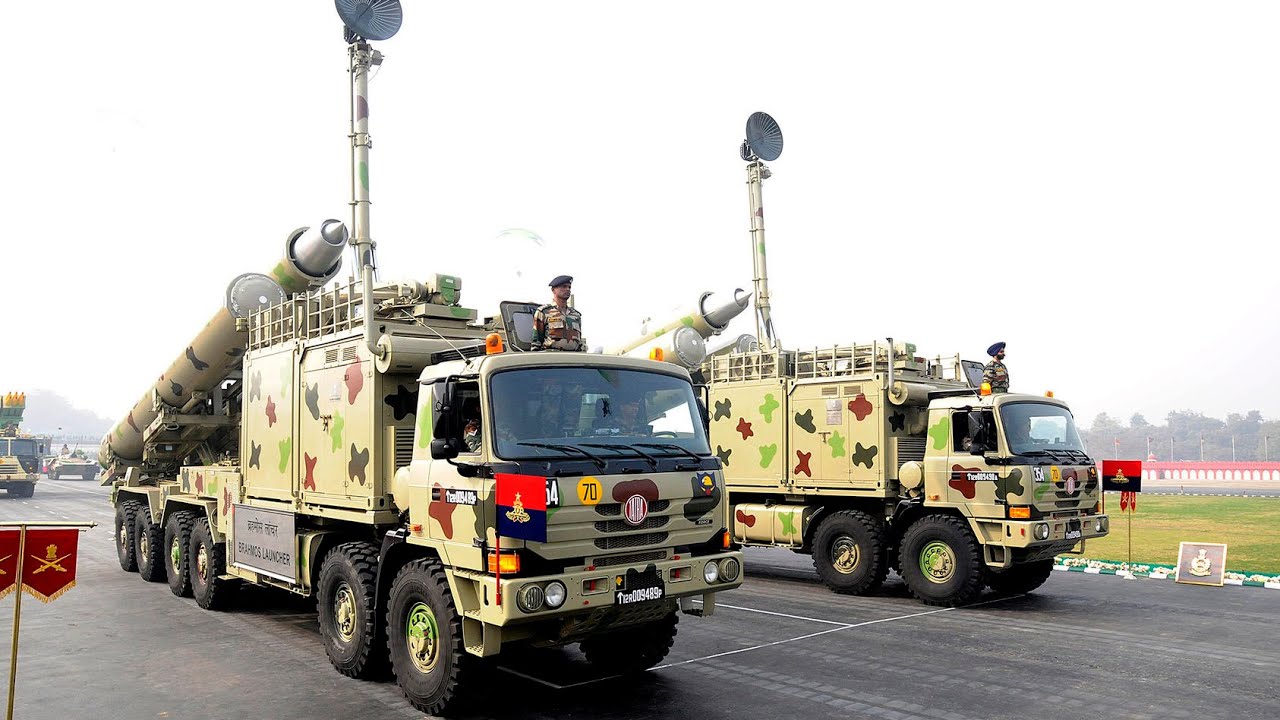
Three nuclear-armed neighbors — China, India and Pakistan — are increasingly locked in tense relations across contested land borders. Southern Asia has a history of major wars and nuclear crises, yet there are fewer safeguards in place to prevent nuclear war than in many of the world’s other potential flash points.
Although U.S. diplomats have helped to avert nuclear escalation in prior crises, changing strategic alignments, fresh cross-border disputes, and the development of new capabilities, doctrines, and threat perceptions all raise concerns over the risk of future escalation — as well as the United States’ ability to avert it.
Motivated by these concerns, last June USIP convened a bipartisan Senior Study Group on Strategic Stability in Southern Asia. Comprised of experts, former policymakers and retired diplomats, the study group was tasked with assessing the risk of nuclear escalation in Southern Asia and formulating new approaches for U.S. policy.
Join USIP for the launch of the study group’s new report. Study group members will discuss their findings and offer priority recommendations for U.S. policymakers working to de-escalate tensions in Southern Asia and establish safeguards against future conflicts.
Speakers:
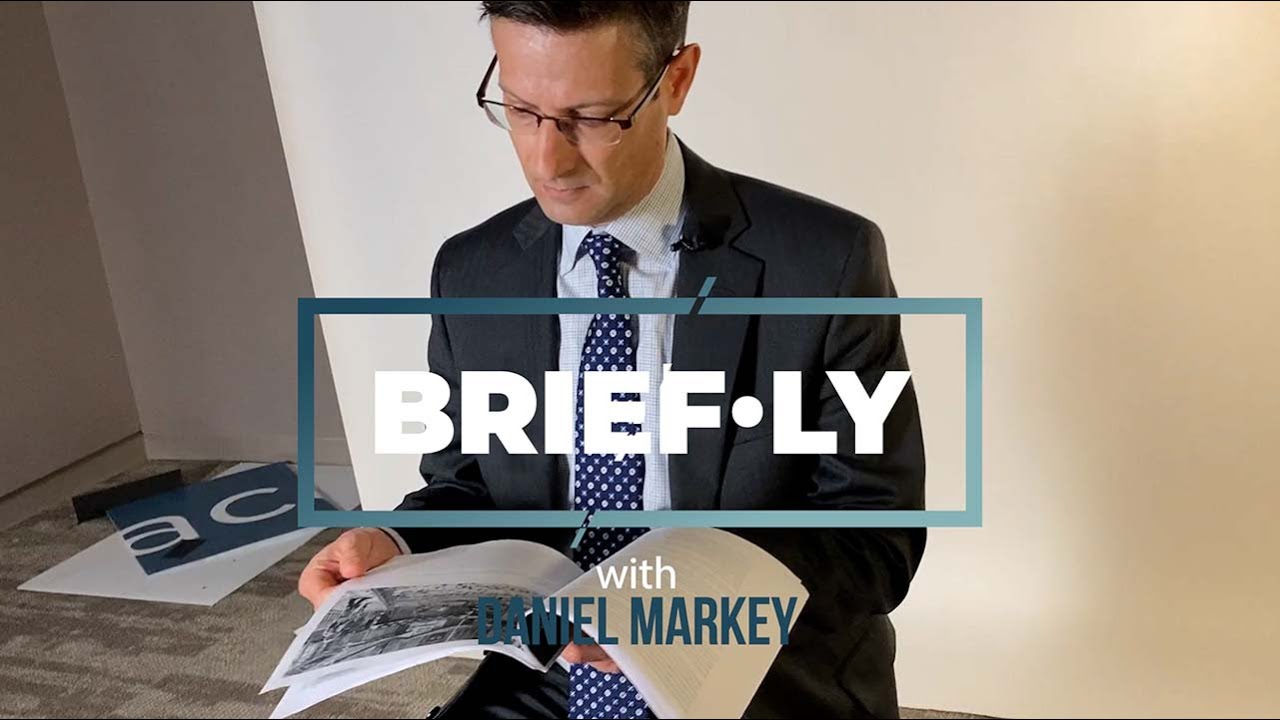
Daniel Markey
Senior Advisor, South Asia, U.S. Institute of Peace; Co-Chair, Senior Study Group on Strategic Stability in Southern Asia
Lynn Rusten
Vice President, Global Nuclear Policy Program, Nuclear Threat Initiative; Member, Senior Study Group on Strategic Stability in Southern Asia
Andrew Scobell
Distinguished Fellow, China, U.S. Institute of Peace; Co-Chair, Senior Study Group on Strategic Stability in Southern Asia
Vikram Singh
Senior Advisor, Asia Center, U.S. Institute of Peace; Co-Chair, Senior Study Group on Strategic Stability in Southern Asia
Yun Sun
Senior Fellow and Co-Director, East Asia Program, Stimson Center; Member, Senior Study Group on Strategic Stability in Southern Asia
For more information and to RSVP, please visit
Connect with us!
Subscribe to our YouTube channel
Newsletters
The United States Institute of Peace is a national, nonpartisan, independent institute, founded by Congress and dedicated to the proposition that a world without violent conflict is possible, practical and essential for U.S. and global security. In conflict zones abroad, the Institute works with local partners to prevent, mitigate, and resolve violent conflict. To reduce future crises and the need for costly interventions, USIP works with governments and civil societies to build local capacities to manage conflict peacefully. The Institute pursues its mission by linking research, policy, training, analysis and direct action to support those who are working to build a more peaceful, inclusive world. Learn more about USIP
Sentinel Indexing in Progress
Metadata and chapters are available. Claim extraction for this episode is pending.
All video content is delivered via YouTube embedded players in accordance with the YouTube Terms of Service. Sentinel provides research tools that promote discovery and accountability across political media.