United States Institute of Peace
@unitedstatesinstituteofpeace·110K subscribers·2.2K videos
Reconciliation and Justice in Rwanda
Posted
July 13, 2022
Views
1,669
Likes
27
Engagement
1.62%
July 13, 2022
1,669
27
1.62%
Every word spoken in this episode is indexed. Type any phrase to jump straight to the moment it was said.
Type any word or phrase that may have been spoken. Click a result to seek the player to that exact moment.
Try a name, a topic, or a quoted line
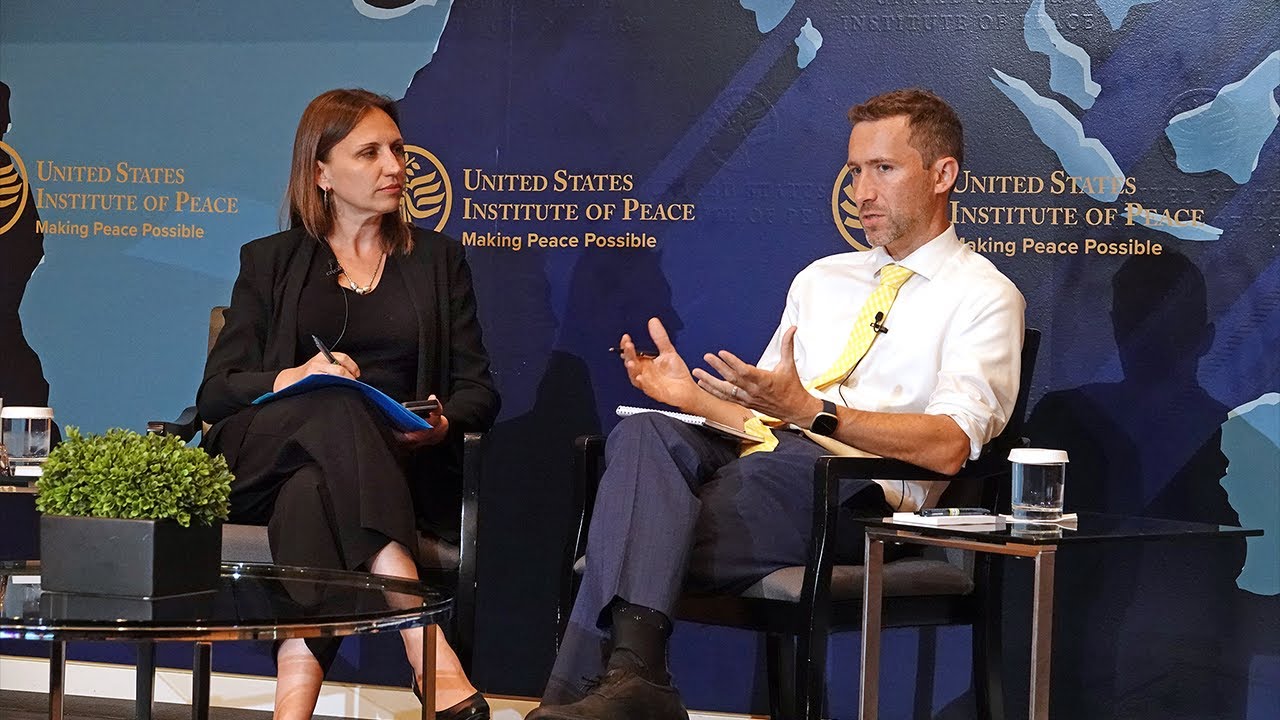 1:17:03Now Playing
Lessons for Creating Ways to Live Together After Violence
In April 1994, Rwanda descended into a period of horrific violence that saw friends, families and neighbors turn on each other. Over 100 days, more than 800,000 Rwandans were killed, and Rwandan women suffered widespread sexual violence. In that moment of tragedy, grief, anger and destruction, it seemed difficult to imagine the future — much less one where Rwandans would live together again.
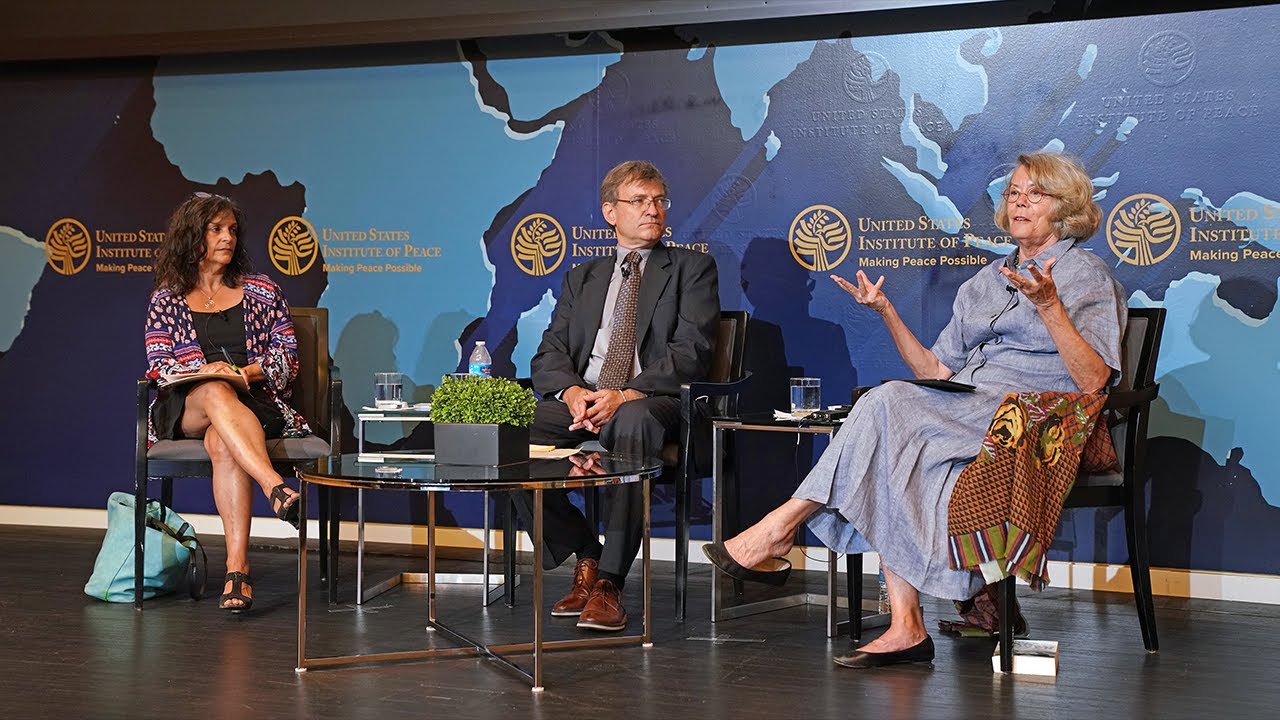
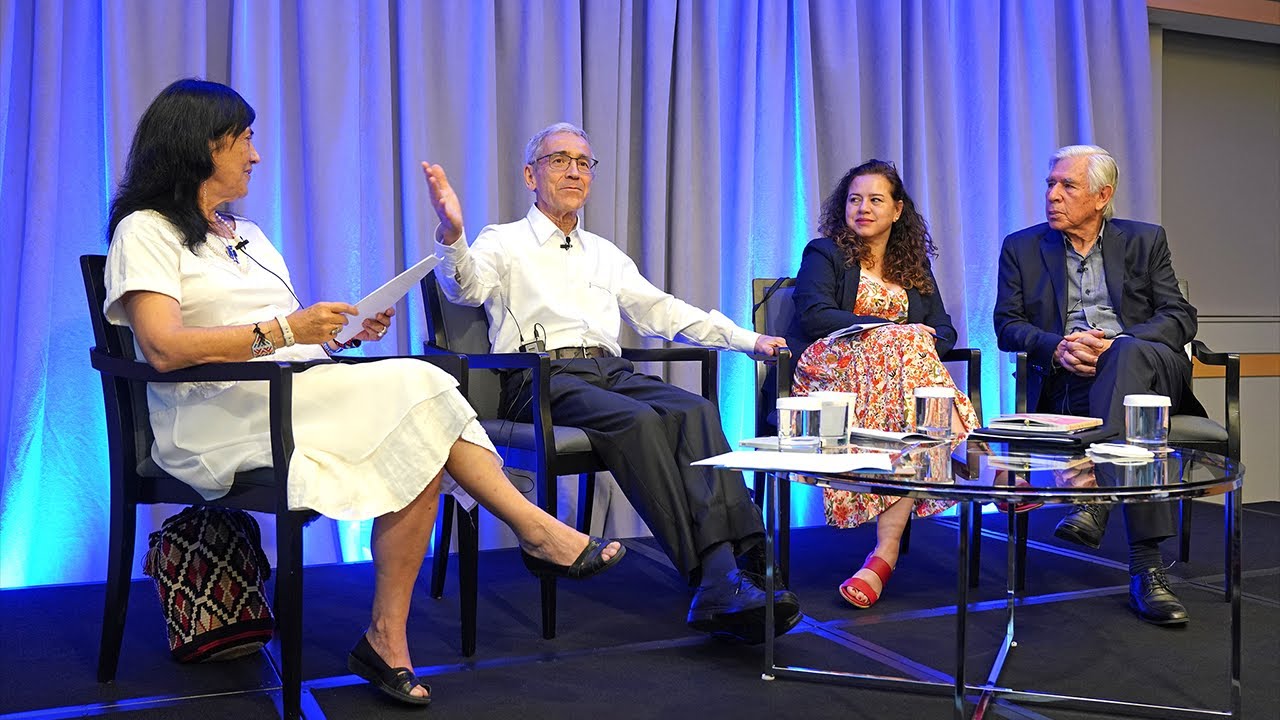
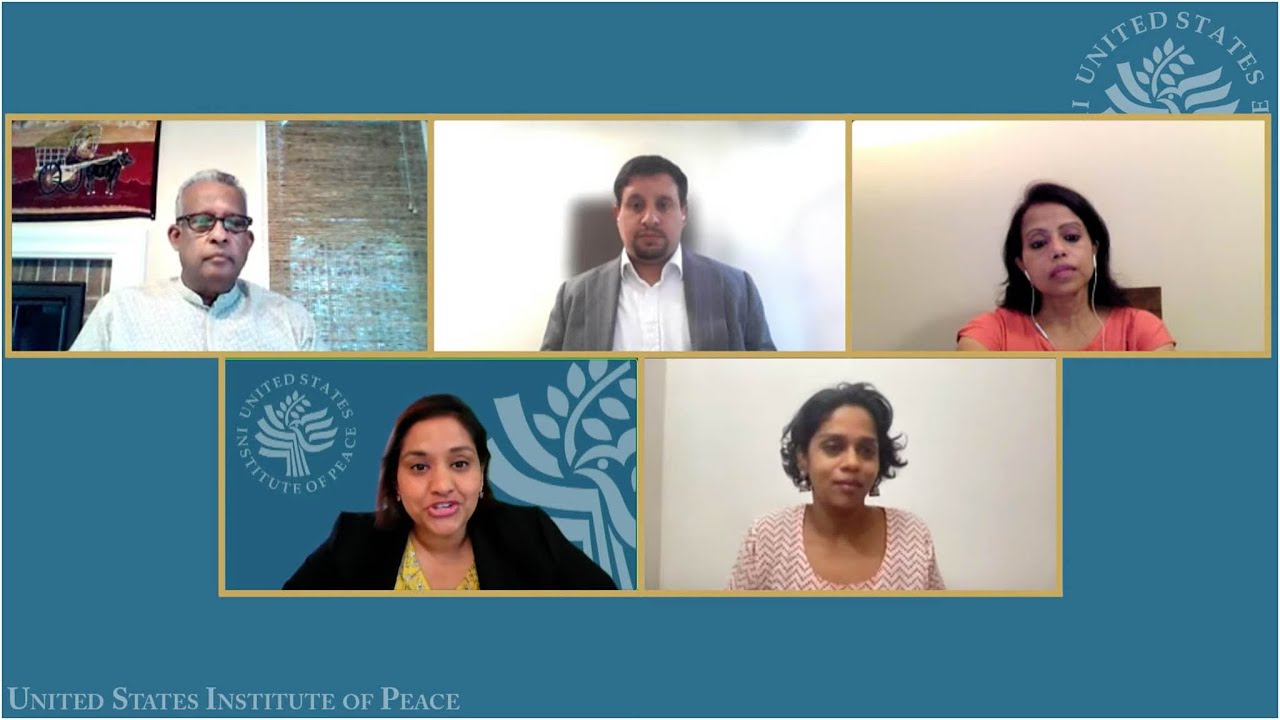
On July 13, USIP held a discussion on the approaches to reconciliation and justice in Rwanda that followed the 1994 genocide, including the Gacaca Courts and community-based and women-led initiatives. Panelists discussed how Rwanda’s experiences are inspiring the imagination and action of those pursuing peace and transitional justice across Africa and beyond.
This event is part of a series highlighting themes from “Imagine: Reflections on Peace,” a multimedia exhibit from USIP and the VII Foundation that explores the challenges of peacebuilding through an immersive look at societies that suffered — and survived — violent conflict.
For more information about this event, please visit
Speakers:
Susan Stigant, moderator
Director, Africa Center, U.S. Institute of Peace
Connect with us!
Subscribe to our YouTube channel
Newsletters
The United States Institute of Peace is a national, nonpartisan, independent institute, founded by Congress and dedicated to the proposition that a world without violent conflict is possible, practical and essential for U.S. and global security. In conflict zones abroad, the Institute works with local partners to prevent, mitigate, and resolve violent conflict. To reduce future crises and the need for costly interventions, USIP works with governments and civil societies to build local capacities to manage conflict peacefully. The Institute pursues its mission by linking research, policy, training, analysis and direct action to support those who are working to build a more peaceful, inclusive world. Learn more about USIP
Sentinel Indexing in Progress
Metadata and chapters are available. Claim extraction for this episode is pending.
All video content is delivered via YouTube embedded players in accordance with the YouTube Terms of Service. Sentinel provides research tools that promote discovery and accountability across political media.