United States Institute of Peace
@unitedstatesinstituteofpeace·110K subscribers·2.2K videos
How to Strengthen Security Sector Assistance
Posted
May 6, 2023
Views
559
Likes
6
Engagement
1.07%
May 6, 2023
559
6
1.07%
Every word spoken in this episode is indexed. Type any phrase to jump straight to the moment it was said.
Type any word or phrase that may have been spoken. Click a result to seek the player to that exact moment.
Try a name, a topic, or a quoted line
 1:24:29Now Playing
The objective of U.S. security sector assistance is to help build effective, accountable, responsive, transparent and legitimate security sectors in partner nations to address common security risks. Such actions ultimately benefit U.S. national interests, but despite successes, policymakers and practitioners are confronting an effectiveness gap between what they want security assistance to achieve and what is happening in the field. To close this gap, it is important to take a hard look at a recurring yet overlooked phenomenon: elite capture, whereby elites use security sectors to pursue gains contrary to the public interest.
Since 2019, USIP — in partnership with USAID — has convened a working group to study how elite capture in security sectors contributes to violence. Using case studies from Afghanistan, Mexico, Uganda and Ukraine, the working group’s newly released final report, “Elite Capture and Corruption of Security Sectors,” distills the phenomenon of elite capture and examines how U.S. assistance affects the dynamics, rationales and tactics of elite manipulation.
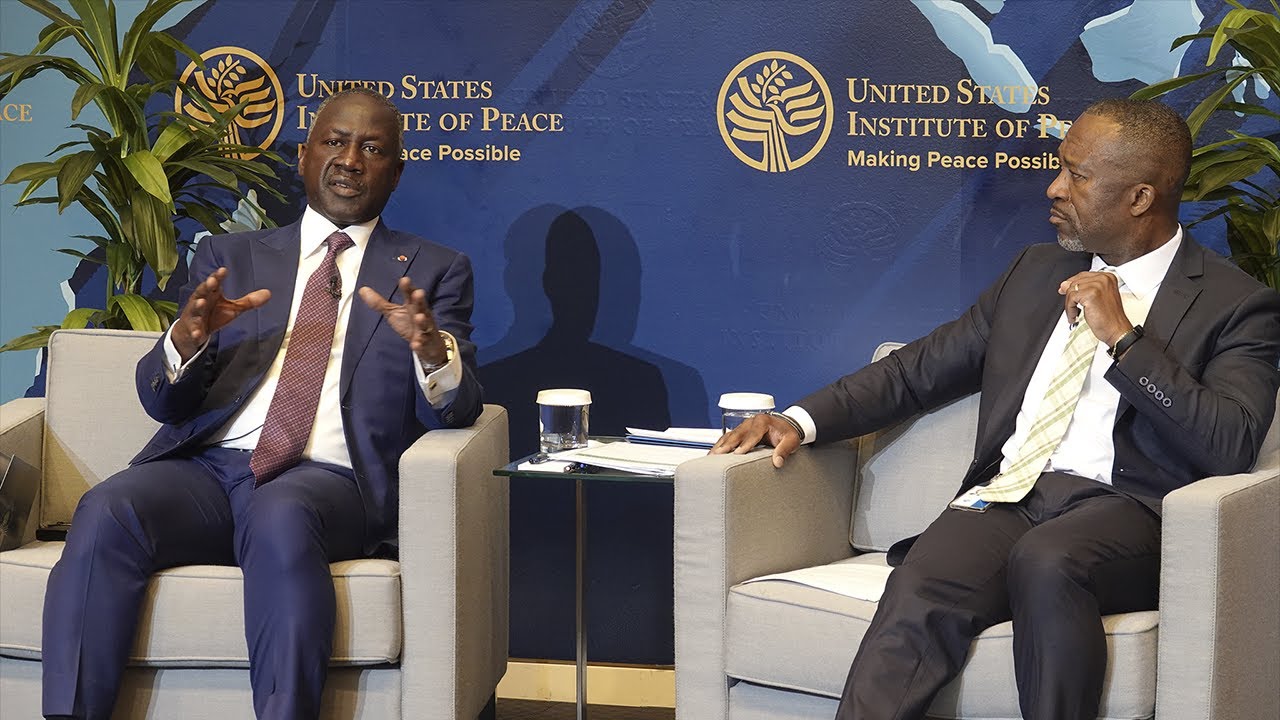
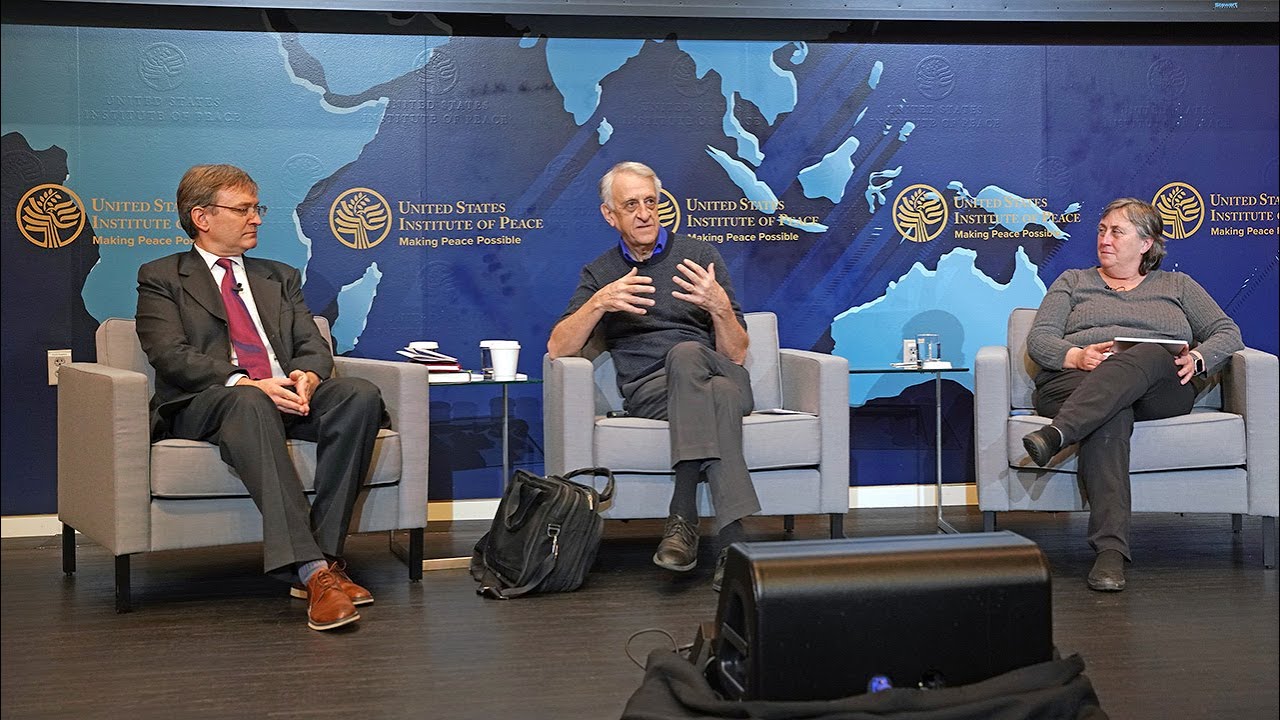
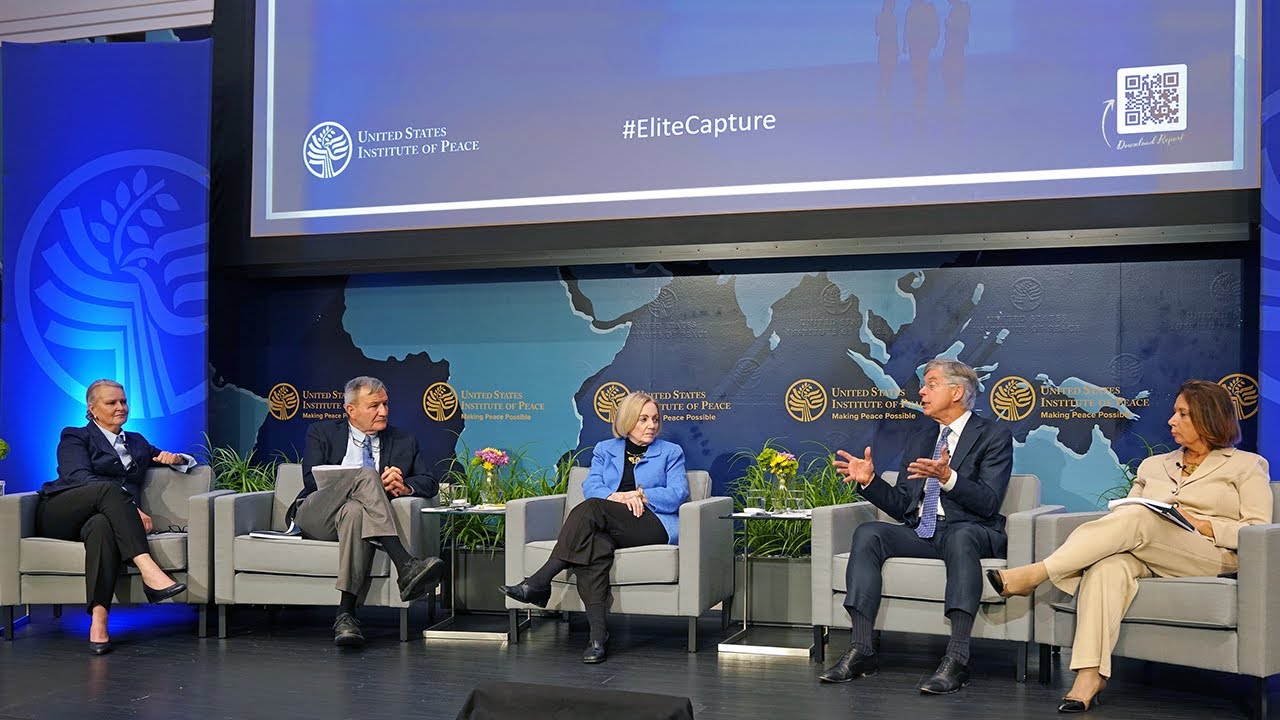
On May 5, USIP hosted a conversation with the working group’s co-chairs as they present findings from the final report. The discussion examined how elite capture of security sectors abroad can undermine the effectiveness of U.S. security sector assistance and drive violence — and what policymakers can do to make security sector assistance more effective.
For more information about this event, please visit
Speakers:
Lise Grande, opening remarks
President and CEO, U.S. Institute of Peace
Ambassador Anne Patterson
Former U.S. Ambassador to Colombia, Egypt, El Salvador and Pakistan; Former U.S. Assistant Secretary of State for Near Eastern Affairs
Ambassador Dawn Liberi
Former U.S. Ambassador to Burundi
Ambassador Karl Eikenberry
Former U.S. Ambassador to Afghanistan; Former Lieutenant General, U.S. Army (retired)
Ambassador William Taylor
Former U.S. Ambassador to Ukraine; Vice President, Russia and Europe Center, U.S. Institute of Peace
Subscribe to our YouTube channel
Connect with us!
Newsletters
The United States Institute of Peace is a national, nonpartisan, independent institute, founded by Congress and dedicated to the proposition that a world without violent conflict is possible, practical and essential for U.S. and global security. In conflict zones abroad, the Institute works with local partners to prevent, mitigate, and resolve violent conflict. To reduce future crises and the need for costly interventions, USIP works with governments and civil societies to build local capacities to manage conflict peacefully. The Institute pursues its mission by linking research, policy, training, analysis and direct action to support those who are working to build a more peaceful, inclusive world. Learn more about USIP
Sentinel Indexing in Progress
Metadata and chapters are available. Claim extraction for this episode is pending.
All video content is delivered via YouTube embedded players in accordance with the YouTube Terms of Service. Sentinel provides research tools that promote discovery and accountability across political media.