United States Institute of Peace
@unitedstatesinstituteofpeace·110K subscribers·2.2K videos
The Role and Influence of Latin American Diasporas in the Hemisphere
Posted
June 1, 2023
Views
405
Likes
4
Engagement
0.99%
June 1, 2023
405
4
0.99%
Every word spoken in this episode is indexed. Type any phrase to jump straight to the moment it was said.
Type any word or phrase that may have been spoken. Click a result to seek the player to that exact moment.
Try a name, a topic, or a quoted line
 1:31:36Now Playing
Para ver este evento en español, por favor visita
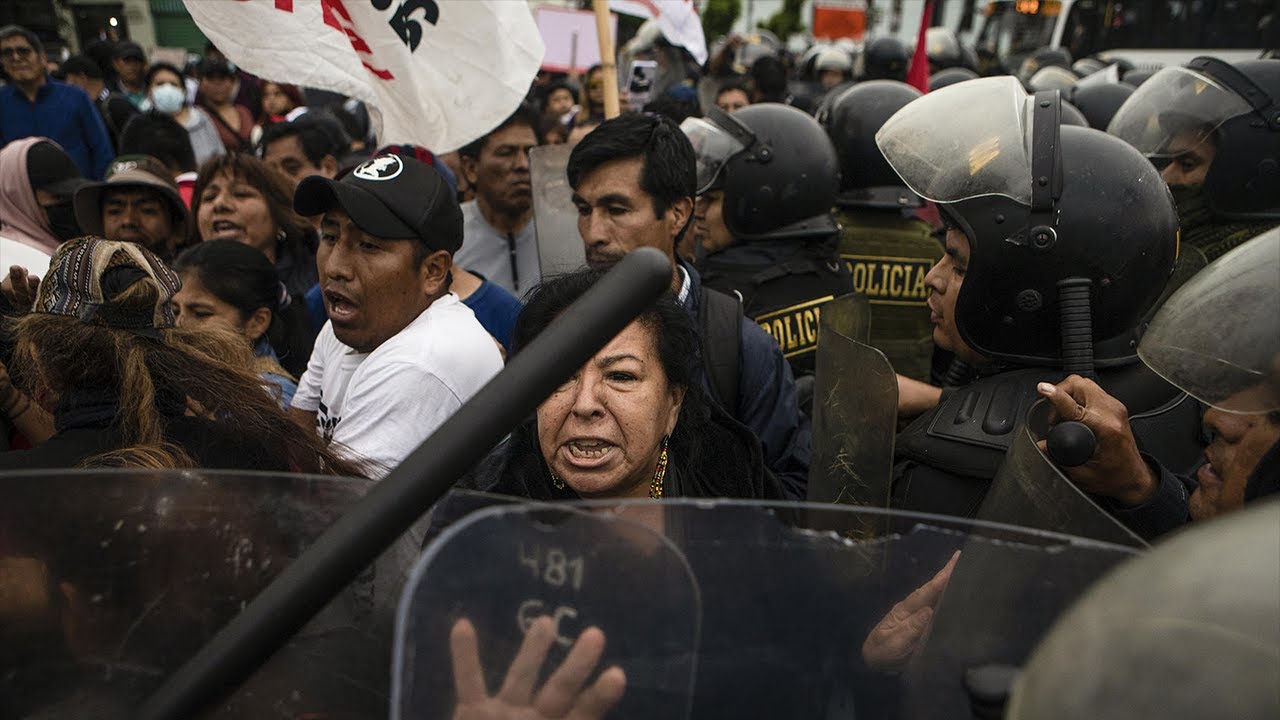
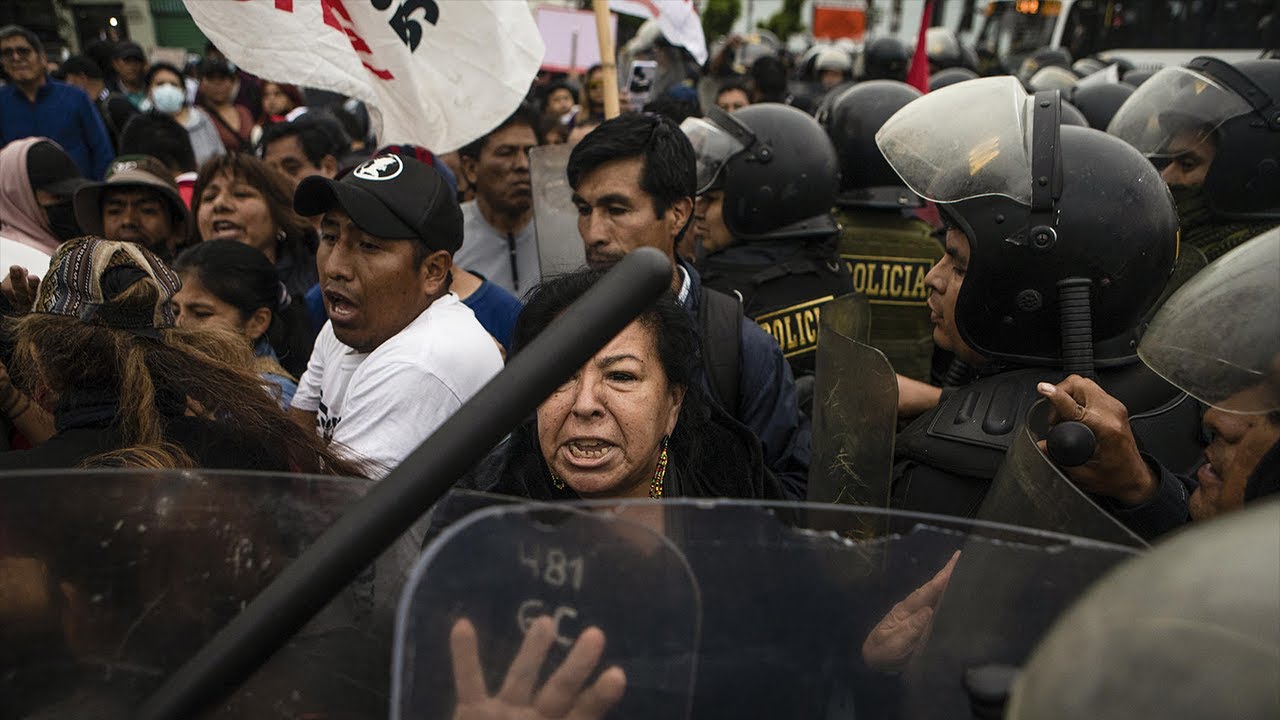
Across the United States, Latin American diaspora communities have played diverse and important roles in influencing the future of their homelands. While much attention is focused on the way that diasporas can directly support democratic strengthening and movements in their countries of origin, there are a myriad of ways that these communities can defy notions of distance and belonging to successfully mobilize for economic, cultural and political change back home.
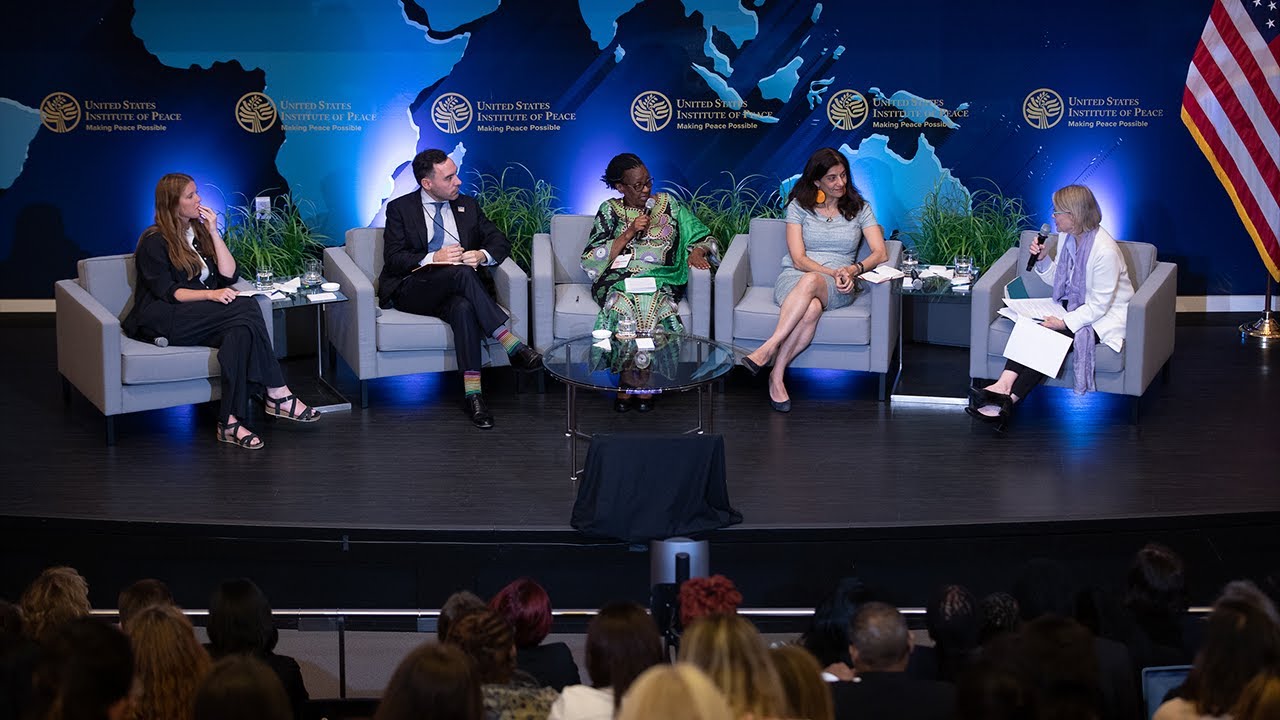
On May 31, USIP hosted a conversation with experts and members of local Latin American and Caribbean diaspora communities as they reflected on their relationship with home and the way that their work — and the work of their communities — has or has not been a productive voice for development and democracy. This conversation highlighted both challenges for diaspora communities as well as examples of their successful mobilization as a force for positive change back home.
For more information about this event, please visit
Speakers:
Keith Mines, introductory remarks
Director, Latin America Program, U.S. Institute of Peace
Sandra Duval (Haiti)
Educator, KonekPlus
Amparo Marroquín (El Salvador)
Dean of Social Science and Humanities, University of Central America
Rosalia Miller (Nicaragua)
President, Nicaragua Freedom Coalition
Hernando Viveros Cabezas (Colombia)
Commissioner, Commission on Latino Community Development
José Luis Sanz, moderator
Editor, El Faro in English
Subscribe to our YouTube channel
Connect with us!
Newsletters
The United States Institute of Peace is a national, nonpartisan, independent institute, founded by Congress and dedicated to the proposition that a world without violent conflict is possible, practical and essential for U.S. and global security. In conflict zones abroad, the Institute works with local partners to prevent, mitigate, and resolve violent conflict. To reduce future crises and the need for costly interventions, USIP works with governments and civil societies to build local capacities to manage conflict peacefully. The Institute pursues its mission by linking research, policy, training, analysis and direct action to support those who are working to build a more peaceful, inclusive world. Learn more about USIP
Sentinel Indexing in Progress
Metadata and chapters are available. Claim extraction for this episode is pending.
All video content is delivered via YouTube embedded players in accordance with the YouTube Terms of Service. Sentinel provides research tools that promote discovery and accountability across political media.