United States Institute of Peace
@unitedstatesinstituteofpeace·110K subscribers·2.2K videos
Hate Speech and Atrocity Risks in Central Africa
Posted
July 7, 2023
Views
373
Likes
2
Comments
2
Engagement
July 7, 2023
373
2
2
1.07%
Every word spoken in this episode is indexed. Type any phrase to jump straight to the moment it was said.
Type any word or phrase that may have been spoken. Click a result to seek the player to that exact moment.
Try a name, a topic, or a quoted line
 1:29:28Now Playing
Pour visionner cet événement en français, nous vous invitons à vous rendre sur le site
Lessons from Chad and the Central African Republic
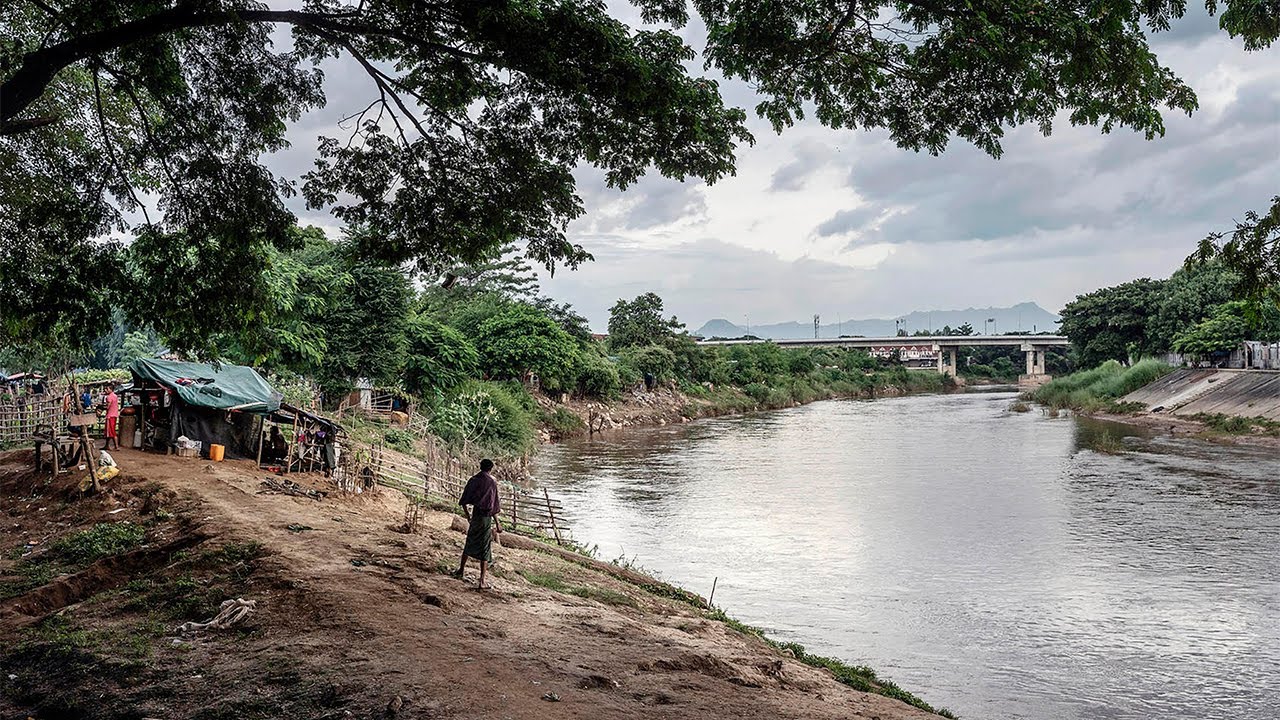
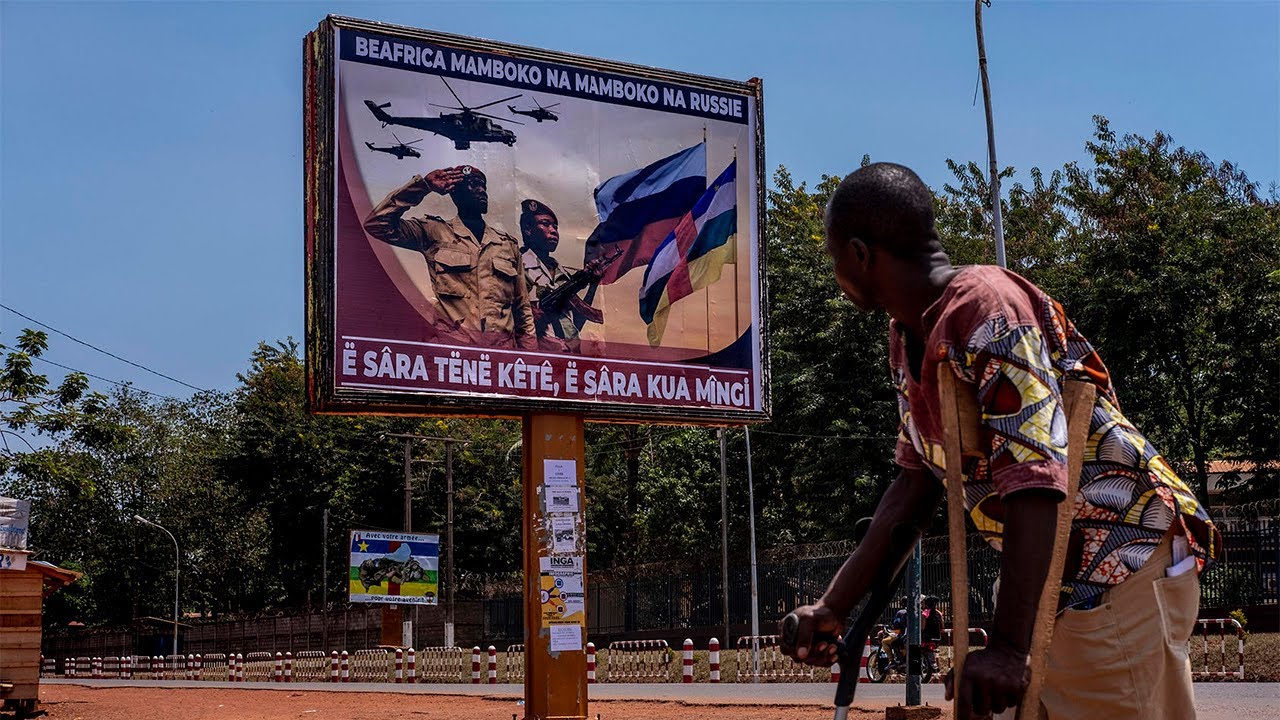
Countries in Central Africa are at an increased risk for mass violence, with concerns growing over the role of hate speech — a potential warning sign for atrocities. Chad has already seen a dramatic rise in the risk of mass killings, ranking fourth globally in the latest rankings from the Early Warning Project, an annual statistical risk assessment from the Simon-Skjodt Center for the Prevention of Genocide and Dartmouth College. Meanwhile, the Central African Republic (CAR) ranks 16th, plagued with ongoing killings by non-state armed groups, violence by state security forces and political tensions surrounding electoral processes.
USIP partners in CAR and Chad have been at the forefront of national efforts to map, document and raise awareness on hate speech. This work has increased our understanding of the political and security dynamics that allow hate speech to proliferate and informed the training of local authorities, community and religious leaders, and the media on how to combat the issue.
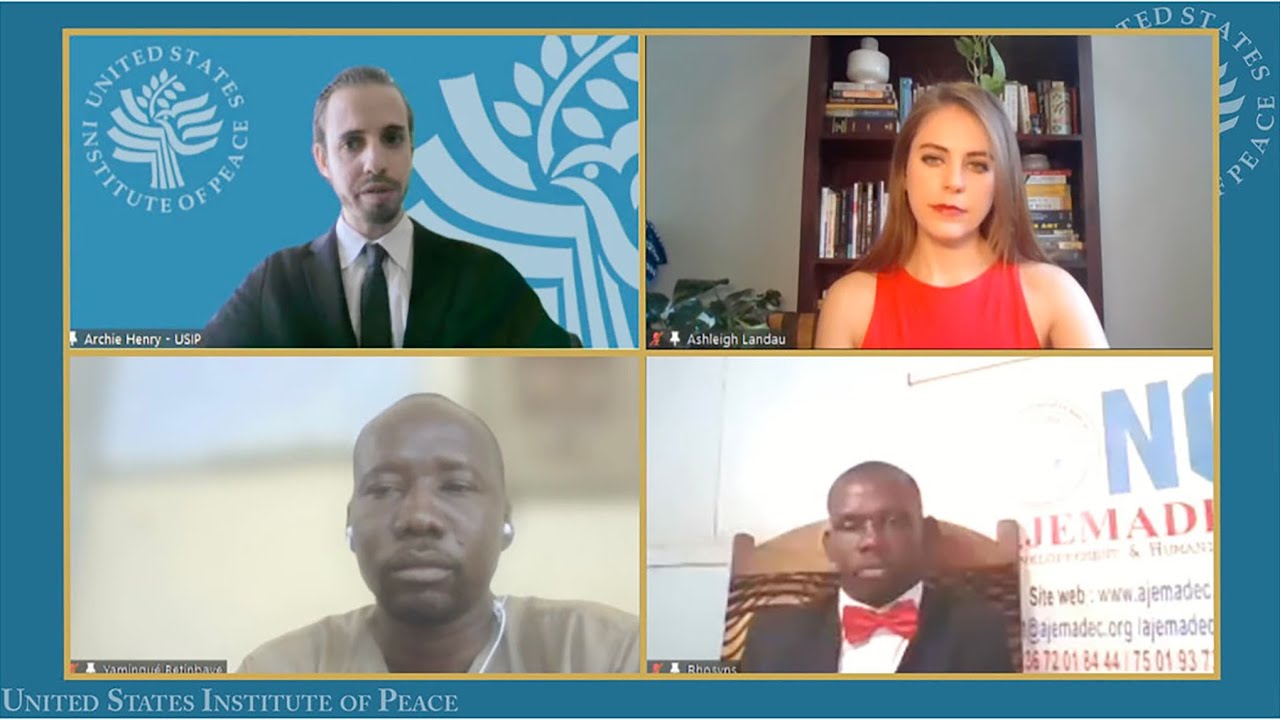
On July 6, USIP and the United States Holocaust Memorial Museum’s Simon-Skjodt Center for the Prevention of Genocide hosted a conversation on the manifestations and drivers of hate speech, as well as ways to determine when it might lead or contribute to violence, including mass atrocities. Using case studies from Chad and CAR, the discussion explored best practices for locally led atrocity prevention and peacebuilding efforts.
For more information about this event, and to join the live audience Q&A, please visit
Speakers:
Ashleigh Landau
Research Associate, Simon-Skjodt Center for the Prevention of Genocide
Yamingué Bétinbaye
Scientific Director, Centre for Research in Anthropology and Human Sciences
Rhosyns Ngatondang-Zalang
President, Association Jeunesse en Marche pour le Développement en Centrafrique
Elizabeth Murray
Senior Advisor, Disability and Inclusion, U.S. Institute of Peace
Subscribe to our YouTube channel
Connect with us!
Newsletters
The United States Institute of Peace is a national, nonpartisan, independent institute, founded by Congress and dedicated to the proposition that a world without violent conflict is possible, practical and essential for U.S. and global security. In conflict zones abroad, the Institute works with local partners to prevent, mitigate, and resolve violent conflict. To reduce future crises and the need for costly interventions, USIP works with governments and civil societies to build local capacities to manage conflict peacefully. The Institute pursues its mission by linking research, policy, training, analysis and direct action to support those who are working to build a more peaceful, inclusive world. Learn more about USIP
Sentinel Indexing in Progress
Metadata and chapters are available. Claim extraction for this episode is pending.
All video content is delivered via YouTube embedded players in accordance with the YouTube Terms of Service. Sentinel provides research tools that promote discovery and accountability across political media.