Valor Media Network
@valormedianetwork·47.8K subscribers·2K videos
The Navy Kept a Carrier at Sea for 260 Days. Trump Says That Wasn't Long Enough. | Hardpoints
Posted
August 20, 2026
Views
24
Likes
4
Engagement
16.67%
August 20, 2026
24
4
16.67%
Every word spoken in this episode is indexed. Type any phrase to jump straight to the moment it was said.
Type any word or phrase that may have been spoken. Click a result to seek the player to that exact moment.
Try a name, a topic, or a quoted line
 41:34Now Playing
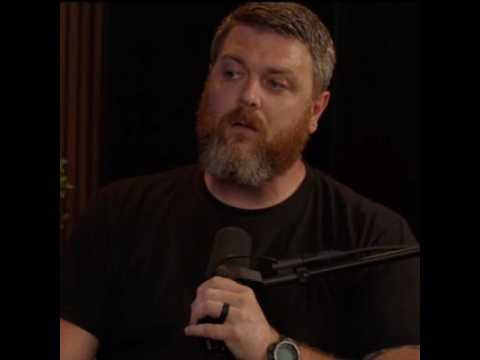
The USS Abraham Lincoln left San Diego last November for a routine six-month deployment. It has now been at sea more than 260 days with no return date, sailors have reportedly tried to go overboard, and Senator Blumenthal's letter to Navy leadership says the ship has gone more than 200 days without a single port call. Asked about it this week, President Trump said the deployment wasn't nearly long enough. Mike, who flew F/A-18s off carriers for the Navy, walks through what that actually means day to day: flight deck crews working fourteen-to-sixteen-hour shifts in 110-degree heat, hauling thousand-pound bombs by hand, in one of the most dangerous working environments on the planet. Below deck, sailors running the engineering spaces climb ten flights of stairs just for a few minutes of fresh air, and most never see daylight for months at a time. Mike doesn't hedge on the comparison: sailors on the Lincoln are working harder, in worse conditions, than the president criticizing them ever has in his life.
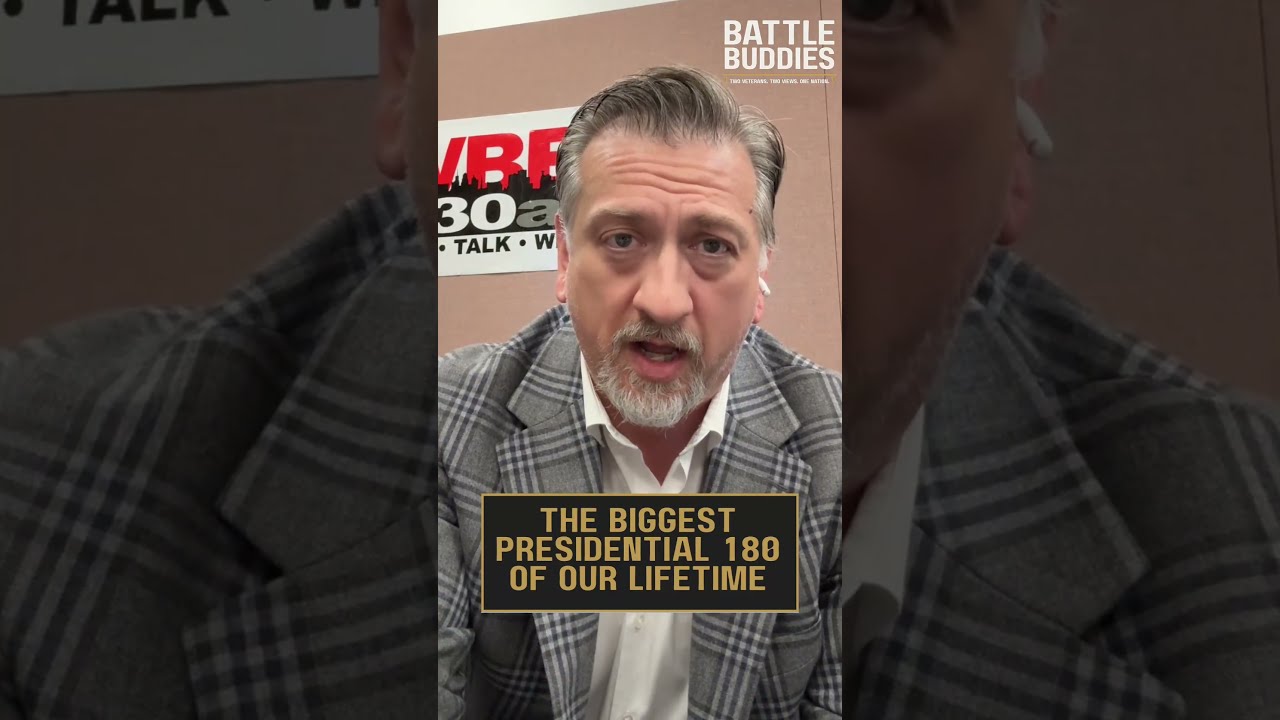
Neal pushes the conversation toward the strategic question underneath the human one. The military can surge, but surging for what? With the Gerald Ford having just finished a similarly grueling 326-day deployment last year, and GAO reporting that only about 4 of the Navy's 11 carriers are reliably deployable at any given time, this isn't a one-off emergency—it's a pattern. And if the fleet and its people are being burned down responding to wars of choice, Neal's question lands hard: what happens when a real emergency shows up and there's nothing left in reserve?
The two find real disagreement over where the failure actually sits. Mike aims his anger at senior military leadership—admirals who won't say no to unsustainable orders because their careers depend on saying yes. Neal reframes it as an incentive structure that goes back generations, from body counts in Vietnam to endless surges in Afghanistan, where nobody in uniform is rewarded for telling a civilian boss the mission as designed can't be done. Both agree the deeper rot goes back decades: optimal manning cuts, the LCS acquisition disaster, and a shipbuilding budget that's doubled in twenty years while the fleet has shrunk.
Goods, bads, and others: Mike finally finishes his backyard patio project and calls out a broader failure of long-term national strategy—from shipbuilding to AI to renewable energy—while also flagging new partnership interest at Aclymate. Neal celebrates a big new contract for Heirloom, is frustrated by the administration blocking billions in grid modernization grants, and shares a genuinely inspiring afternoon watching teenagers use AI to build real apps and books through the Dragon Kim Foundation. Plus reader mail on the show's value and a sharp bit of irony about the airport named for the man who fired the air traffic controllers.
Got a take? Email us: hardpoints.show@gmail.com
Follow Hardpoints wherever you get your podcasts.
Sentinel Indexing in Progress
Metadata and chapters are available. Claim extraction for this episode is pending.
All video content is delivered via YouTube embedded players in accordance with the YouTube Terms of Service. Sentinel provides research tools that promote discovery and accountability across political media.