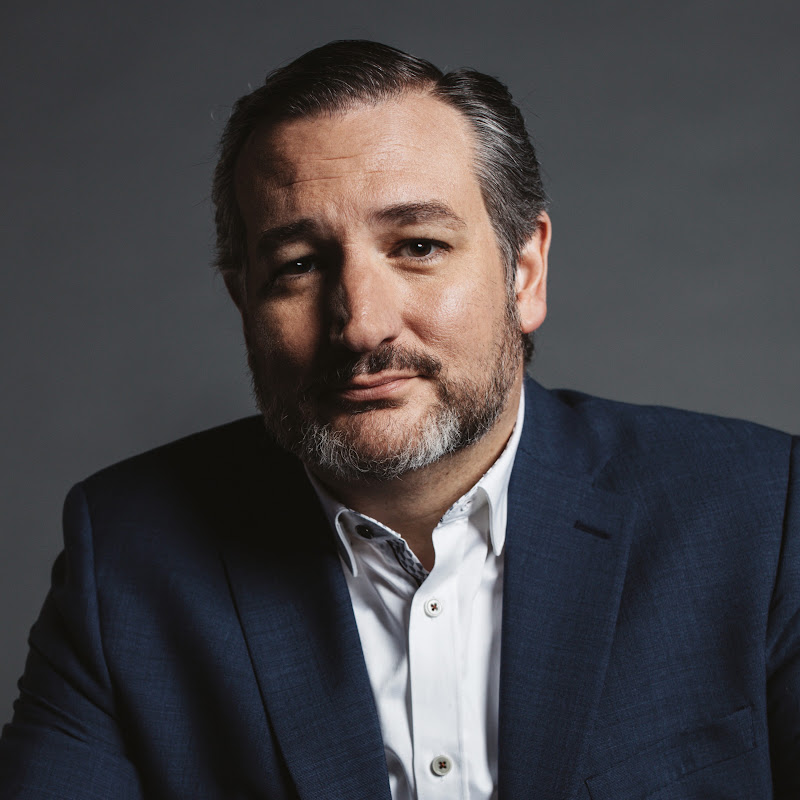
Verdict with Ted Cruz
@verdictwithtedcruz·462K subscribers·1.6K videos
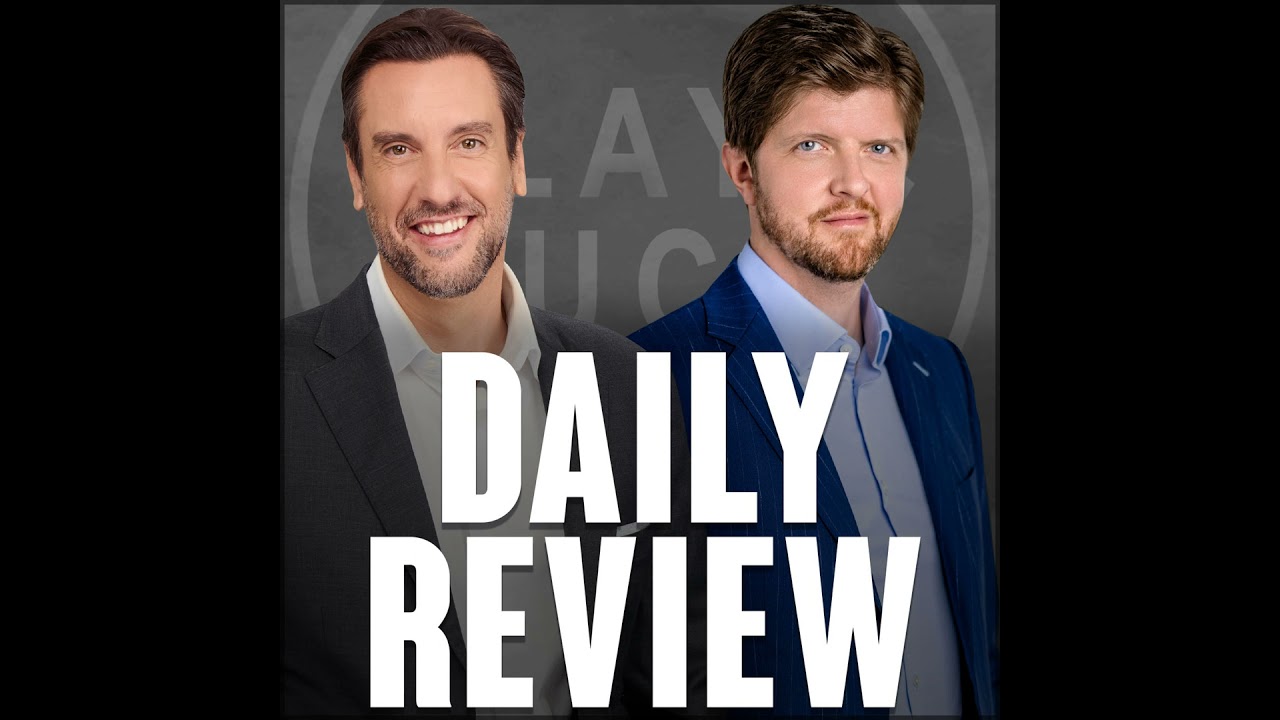
Bonus: Daily Review with Clay and Buck - Apr 23 2026
Posted
April 23, 2026
Views
611
Likes
51
Comments
1
Engagement
8.51%
April 23, 2026
611
51
1
8.51%
Every word spoken in this episode is indexed. Type any phrase to jump straight to the moment it was said.
Type any word or phrase that may have been spoken. Click a result to seek the player to that exact moment.
Try a name, a topic, or a quoted line
 1:01:40Now Playing
Meet my friends, Clay Travis and Buck Sexton! If you love Verdict, the Clay Travis and Buck Sexton Show might also be in your audio wheelhouse. Politics, news analysis, and some pop culture and comedy thrown in too.
Here’s a sample episode recapping four takeaways. Give the guys a listen and then follow and subscribe wherever you get your podcasts.
Iran's Game Plan
Breaking news out of Virginia, where a state circuit court judge blocked certification of the voter‑approved redistricting referendum that would have shifted the state’s congressional map from a 6–5 split to a 10–1 Democratic advantage. The judge ruled the process unconstitutional, citing violations of Virginia’s constitutional requirements, improper use of a special legislative session, insufficient public notice, and what the court called a misleading ballot question. Clay and Buck explain why this ruling could derail the entire redistricting effort and force rapid intervention by the Virginia Supreme Court and possibly the U.S. Supreme Court. They emphasize that the legal uncertainty threatens election timelines, ballot preparation, and primary contests, turning Virginia into a potential national test case for how far courts will allow mid‑cycle redistricting to go.
Clay Travis and Buck Sexton then pivot to Iran and global security, with extensive analysis of President Donald Trump’s statements on the situation in the Strait of Hormuz. The hosts examine Trump’s claim that the U.S. controls maritime traffic and is enforcing an effective blockade until Iran produces a deal, while also noting severe internal divisions inside Iran between hardliners, the IRGC, and civilian negotiators. Clay explains why Iran’s leadership crisis complicates diplomacy, while Buck lays out in detail how the blockade is inflicting devastating economic harm—particularly through Iran’s limited oil storage capacity and the long‑term damage caused by halting production.
Resistance Judiciary
Clay and Buck discuss the idea that the judiciary has become a de facto political actor, particularly during the Trump era. Buck describes what the hosts call a “resistance judiciary,” with judges using injunctions and procedural rulings to halt policy even when cases are likely to be overturned later. They contrast this trend with the Supreme Court’s role, warning that without a conservative majority, constitutional interpretation itself would become unrecognizable. The Virginia redistricting case is used as the most recent example of how a single judge can temporarily upend elections, legislative plans, and national strategy.
They then pivot into an extended and highly critical discussion of Spirit Airlines and the blocked JetBlue merger, which Clay describes as one of the clearest examples of judicial failure in recent years. Clay explains how Spirit agreed to a multibillion‑dollar acquisition by JetBlue, warned that bankruptcy was inevitable without the merger, and then saw the deal halted after the Biden administration sued on antitrust grounds. A federal judge sided with the government, rejecting Spirit’s warning—only for the airline to file for bankruptcy months later and now face another potential collapse. Clay argues that the ruling wiped out shareholders, endangered thousands of jobs, and may now force taxpayers to subsidize an airline that could have survived through private market solutions.
The Opposite of Reality
Rafael Mangual, head of research for the Manhattan Institute’s Policing and Public Safety Initiative, for an extended interview that anchors much of the hour. The discussion opens with encouraging national crime trends, as Mangual explains that serious violent crime—especially homicides and shootings—is declining across many U.S. cities, with especially sharp drops in places like Memphis and Washington, D.C., which have been targeted by Trump administration federal task forces. Those efforts, combining multi‑agency law‑enforcement deployments and National Guard support, have produced dramatic results, including a reported more‑than‑40 percent reduction in violent crime in Memphis.
Mangual and the hosts emphasize that crime reduction is not mysterious or unattainable but the product of consistent enforcement and public support for policing. Mangual contrasts the positive reception officers receive in high‑crime cities desperate for safety with hostility he says law enforcement faced in Minneapolis, illustrating how political culture and public messaging affect outcomes on the ground. The conversation then transitions into a frank, statistics‑based examination of homicide in America. Mangual outlines the typical profile of both homicide offenders and victims—young men, overwhelmingly Black or Hispanic, with extensive criminal histories and repeated prior arrests—arguing that the justice system already knows who the most dangerous individuals are but repeatedly releases them. He ma...
Sentinel Indexing in Progress
Metadata and chapters are available. Claim extraction for this episode is pending.
All video content is delivered via YouTube embedded players in accordance with the YouTube Terms of Service. Sentinel provides research tools that promote discovery and accountability across political media.