Vice
@VICE·19.1M subscribers·4.4K videos
The Zapatista Uprising (20 Years Later)
Posted
January 14, 2014
Views
803,415
Likes
14,935
Comments
1,407
Engagement
2.03%
January 14, 2014
803,415
14,935
1,407
2.03%
Every word spoken in this episode is indexed. Type any phrase to jump straight to the moment it was said.
Type any word or phrase that may have been spoken. Click a result to seek the player to that exact moment.
Try a name, a topic, or a quoted line
 12:40Now Playing
Subscribe to VICE News now
"Are you going to win?" the journalist asked the rebel.
"We don't deserve to lose," the rebel answered.
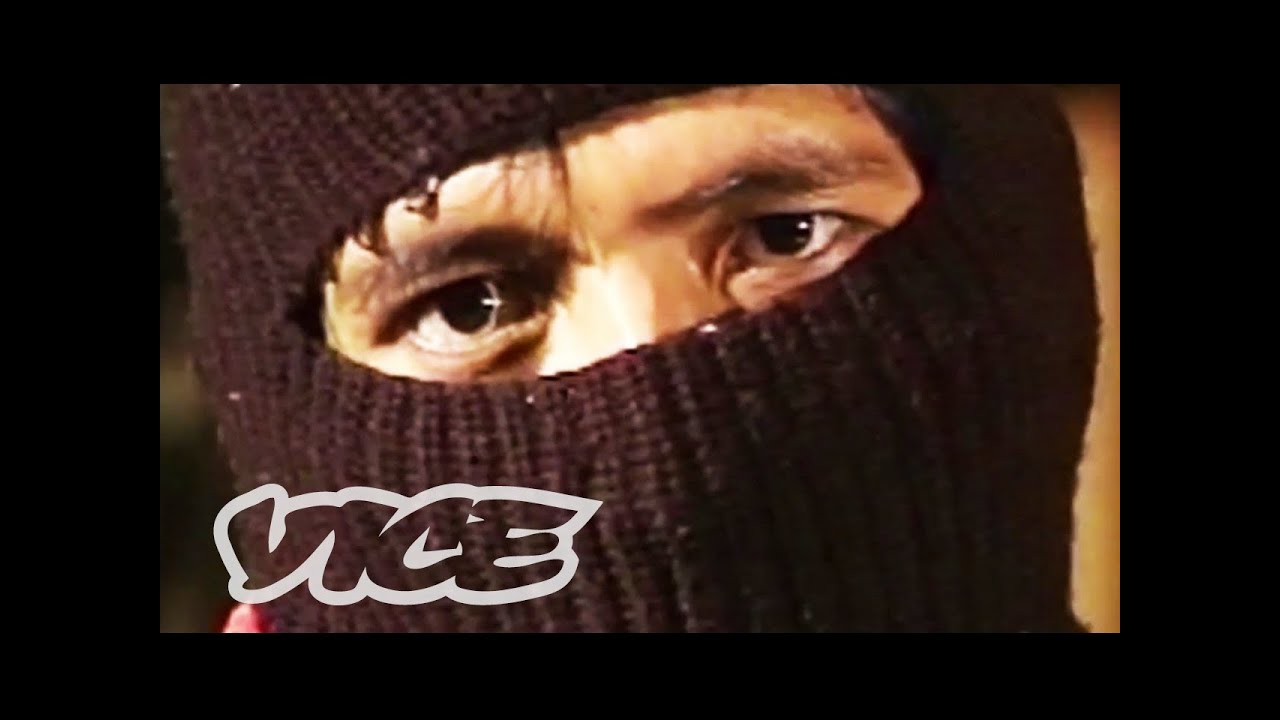
That was the first exchange journalist Gaspar Morquecho recalls having with the revolutionary Subcomandante Marcos on January 1, 1994, in the central plaza of San Cristobal del las Casas, Chiapas, Mexico. Morquecho, feeling a mixture of still drunk and hungover from the New Year's celebrations the night before, interviewed the Zapatista leader minutes after he and his comrades had stormed and taken over the municipal hall of San Cristobal.
Twenty years after the Zapatista uprising, VICE traveled to Chiapas to meet Morquecho, the first local journalist to speak with the Zapatista Army face-to-face, so he could recall the events of that fateful day—it was the first indigenous armed uprising in Latin America in the internet age.
In 1993, Mexico's then-president Carlos Salinas de Gortari signed the North American Free Trade Agreement (NAFTA) with the presidents of the United States and Canada. NAFTA was meant to establish a globalized tri-national economic front, and it went into effect January 1, 1994.
That same morning, as a direct response to the neoliberal policies that were gradually taking hold in Mexico, thousands of indigenous fighters emerged from the rain forests of the Altos region of Chiapas, in southern Mexico, with the intention to take seven municipalities, including San Cristobal. The group called itself the Zapatista Army of National Liberation (EZLN).
On January 1, without warning, the EZLN released the Declaration of the Lacandona Jungle, in which the armed group declared war on the Mexican government, and demanded "jobs, land, housing, food, health, education, independence, freedom, democracy, justice, and peace."
From that moment on, and during the 12 days that followed, the war between the EZLN and the Mexican Army gripped several towns and villages in Chiapas, resulting in more than 100 casualities and a still-disputed number of disappeared people. What also remains in dispute is the legacy, the impact, and the strength of the EZLN in Mexico today.
Text by Luis Chaparro. Follow Luis on Twitter @luiskuryaki
Check out the Best of VICE here
Subscribe to VICE here!
Check out our full video catalog
Videos, daily editorial and more
Like VICE on Facebook
Follow VICE on Twitter
Read our tumblr
Sentinel Indexing in Progress
Metadata and chapters are available. Claim extraction for this episode is pending.
All video content is delivered via YouTube embedded players in accordance with the YouTube Terms of Service. Sentinel provides research tools that promote discovery and accountability across political media.