Washington Post
@washingtonpost·2.8M subscribers·24.8K videos
The complex history of Turkey and the Kurds, explained | The Fact Checker
Posted
November 4, 2019
Views
200,993
Likes
3,789
Comments
1,530
Engagement
November 4, 2019
200,993
3,789
1,530
2.65%
Every word spoken in this episode is indexed. Type any phrase to jump straight to the moment it was said.
Type any word or phrase that may have been spoken. Click a result to seek the player to that exact moment.
Try a name, a topic, or a quoted line
See what was published immediately before and after this episode.
 7:43Now Playing
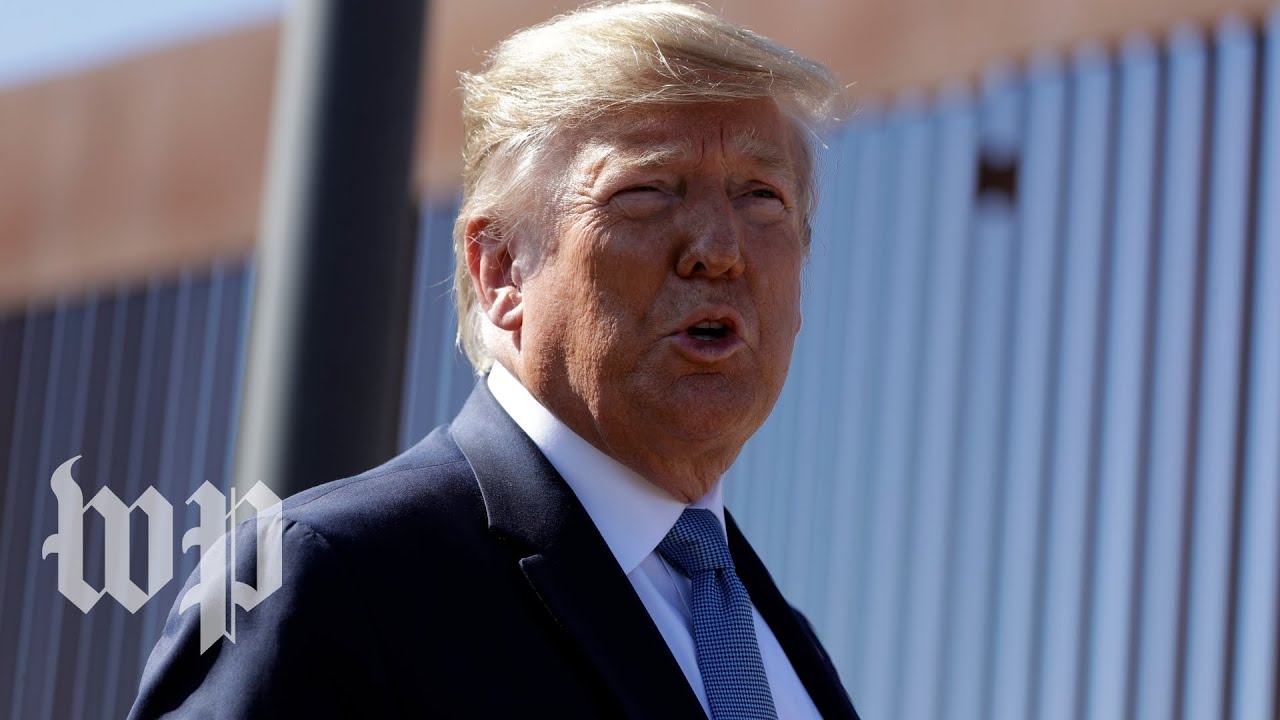
To assuage the outrage that followed President Trump’s decision to withdraw U.S. forces from northern Syria, which exposed the Kurds — U.S. allies — to Turkish attack, he has made a slew of claims about the relationship between the Turks and the Kurds. Namely, that they have been fighting for hundreds of years.
The reality of Kurdish activity, and both Kurdish and Turkish identity, in the region is much more complex. Their history is a complex saga of peace, suppression, resistance, cooperation and violence. Most of that violence is a result of relatively recent political tensions, and at times, it has been on behalf of the United States.The Turks and Kurds have not been fighting for hundreds of years, as Trump has claimed. But they do have a complicated history. To understand how the TurkeySyria border became a conflict zone, we need to go back to the partition of the Middle East at the end of World War 1. The Fact Checker examines the complex history of Turkey, Syria, and the Kurds. Read moreSubscribe to The Washington Post on YouTube
Sentinel Indexing in Progress
Metadata and chapters are available. Claim extraction for this episode is pending.
All video content is delivered via YouTube embedded players in accordance with the YouTube Terms of Service. Sentinel provides research tools that promote discovery and accountability across political media.