
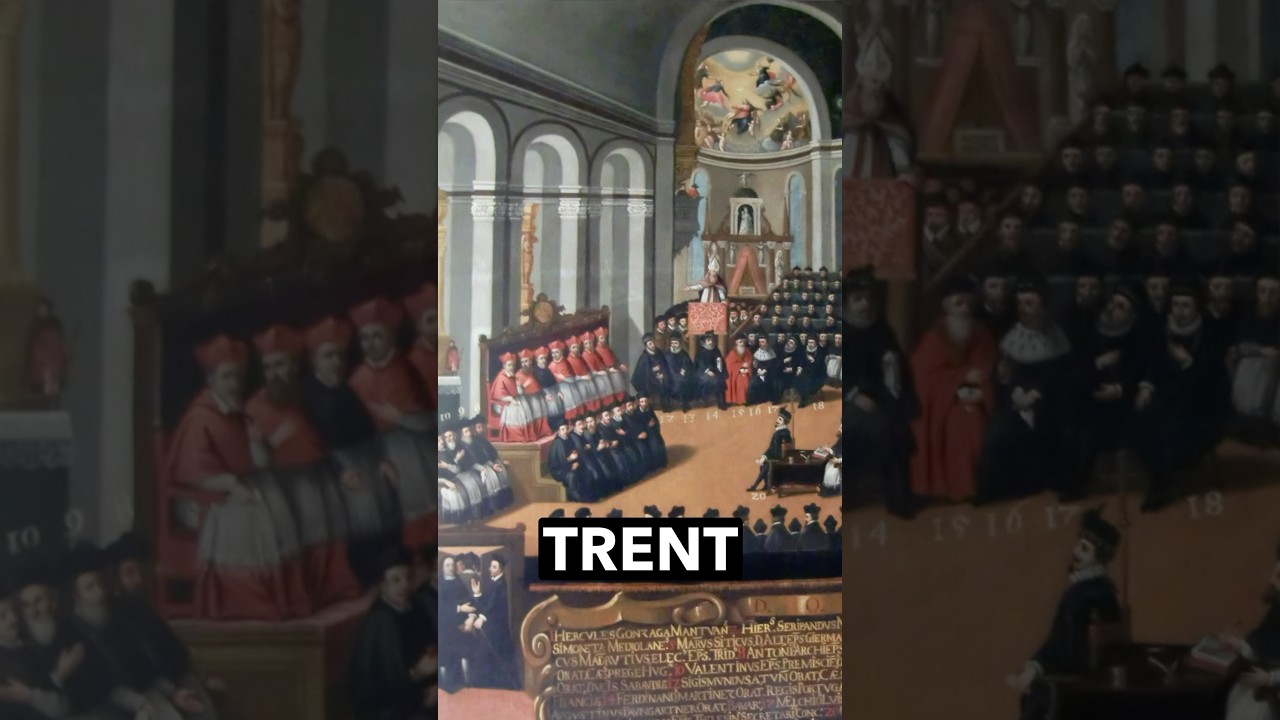
I visited the place of the Council of Trent
May 10, 2025
122,743
5,823
160
4.87%
Search the Record
IndexedEvery word spoken in this episode is indexed. Type any phrase to jump straight to the moment it was said.
Type any word or phrase that may have been spoken. Click a result to seek the player to that exact moment.
Try a name, a topic, or a quoted line
Wes Huff Episodes Around May 10, 2025
See what was published immediately before and after this episode.





 0:28Now Playing
I visited the place of the Council of Trent


YouTube Description
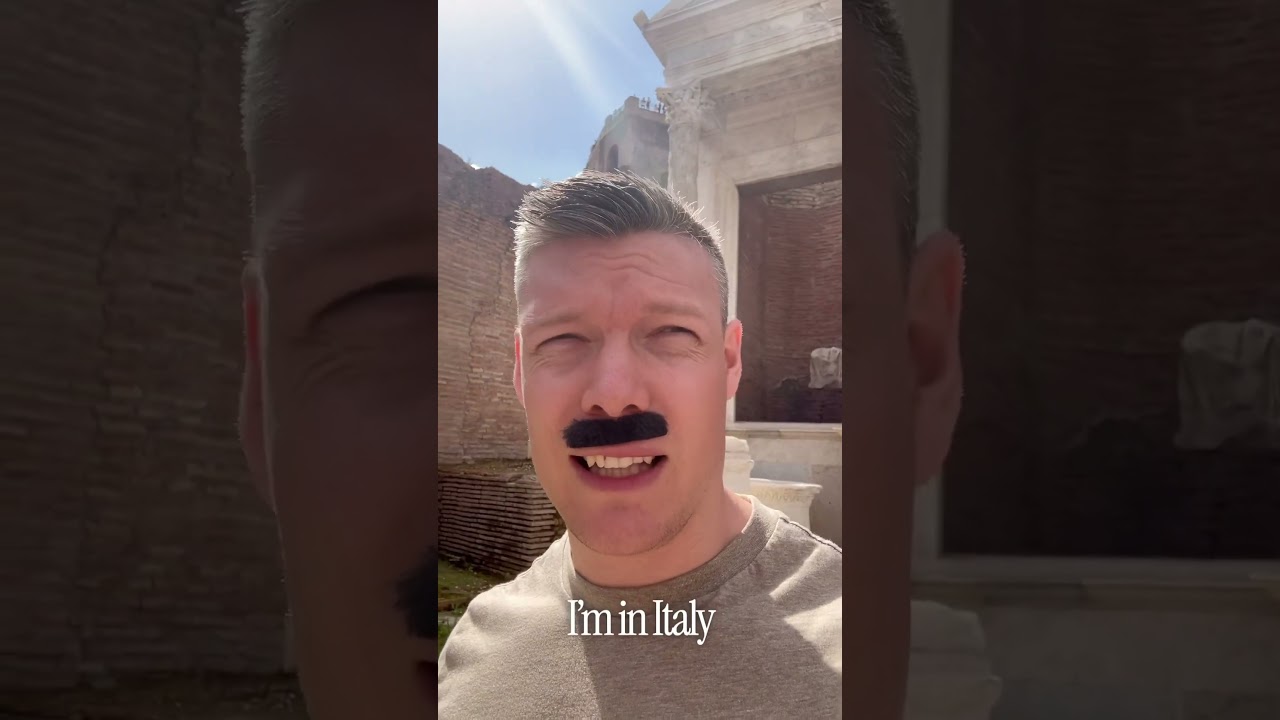
as posted by the channelI recently was in Trento, Italy, visiting the location where the Council of Trent took place. Trent, which took place between 1545-63, was the most important movement of the Catholic Counter-Reformation, the Catholic Church’s first significant reply to the growing Protestants Reformation.
The location of Trent was strategic: taking place in northern Italy, a city on the border between Italy and Germany, making it a bridge between the Papal states and the territories of the Holy Roman Emperor.
Initially Protestant leaders were invited as an act of unification, when the decision was announced that Protestant contributors were barred from voting however, they did not show up. Although some Protestant representatives did attend in later years, by 1555 the division between the Papacy and the Reformers was more or less solidified.
Although anathematizing multiple key Protestant beliefs, by the end of Trent their final decisions were equally as much solidifying internal issues as they were about rebutting the corrections of the Reformers. Trent remains the only official church council to make a binding pronouncement on the canon of scripture. Declaring on April 8th of 1546 in the De Canonicis Scripturis that the Latin Vulgate was the official Bible of the church and affirmed the statement of Florence that scripture includes 73 books, anathematizing those who held a differing view.
This position was nonetheless controversial even amongst the representatives at Trent. Bishop Bonuccio, attending Trent in 1546, following the Canonicis Scripturis that "The council should not try to resolve questions long disputed among reputable theologians…”
As John O’Malley in “Trent, what happened at the council” says: “That absolutely crucial qualification of the decree may have been clear to the prelates at the council, but the text they produced gave no hint of it... In this case at least, the council itself must be held responsible for the misunderstanding."
Prior to Trent there was no official and binding Roman Catholic views on the canon of scripture.
Guests & Subjects Covered
Sentinel Indexing in Progress
Metadata and chapters are available. Claim extraction for this episode is pending.
All video content is delivered via YouTube embedded players in accordance with the YouTube Terms of Service. Sentinel provides research tools that promote discovery and accountability across political media.