Yishai Fleisher
@yishaifleishertv·311K subscribers·2.5K videos
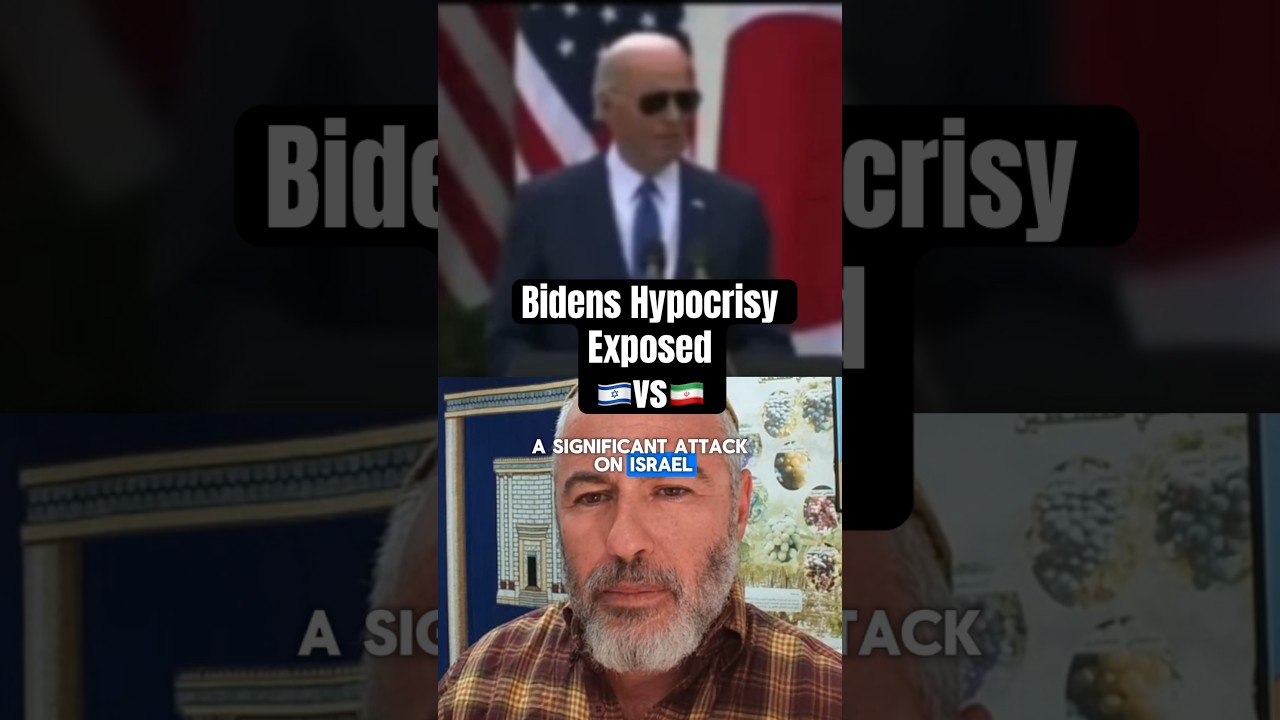
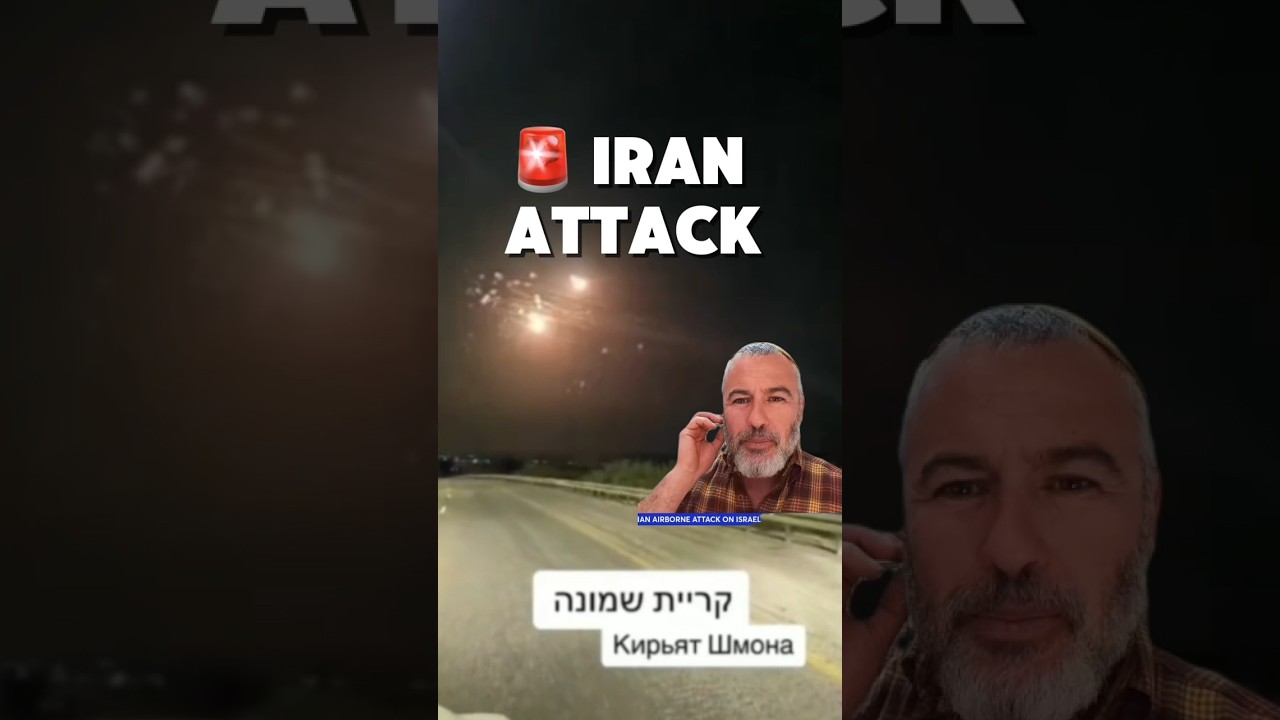
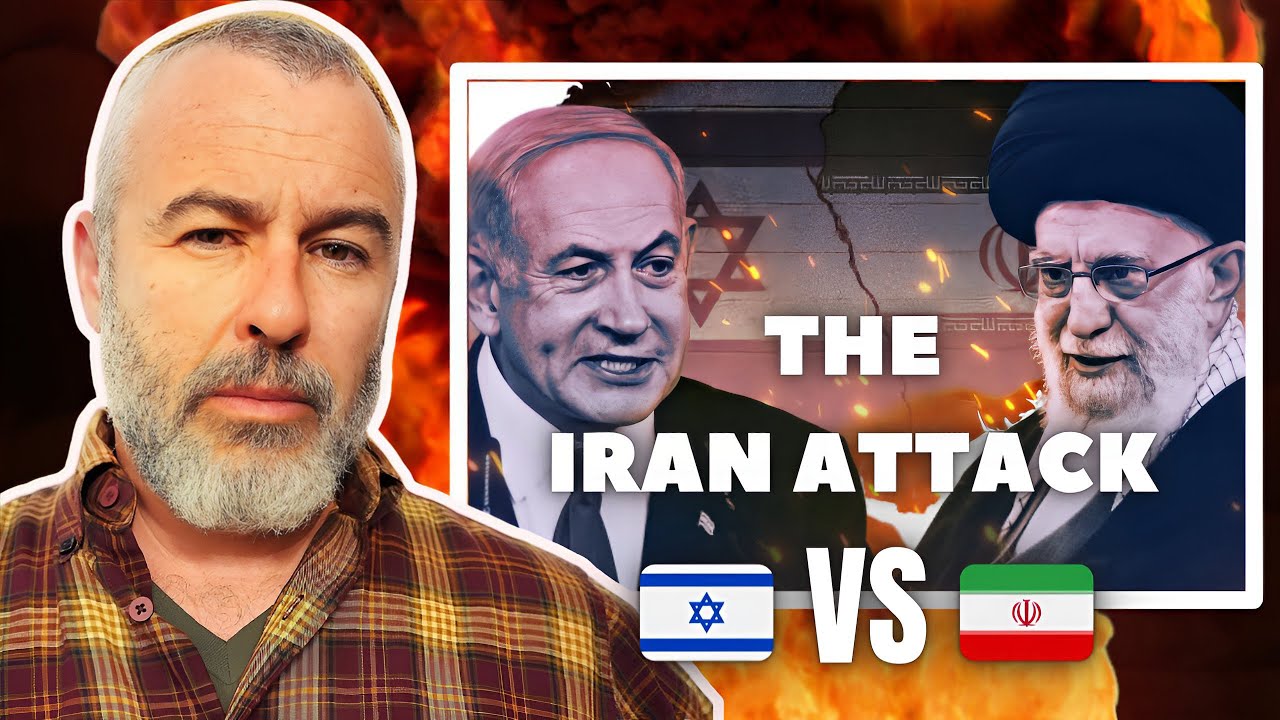
Iran's MASSIVE missile attack on Israel
Posted
April 14, 2024
Views
10,832
Likes
793
Comments
265
Engagement
9.77%
April 14, 2024
10,832
793
265
9.77%
Every word spoken in this episode is indexed. Type any phrase to jump straight to the moment it was said.
Type any word or phrase that may have been spoken. Click a result to seek the player to that exact moment.
Try a name, a topic, or a quoted line
 24:18Now Playing
Iran attacks Israel: Yishai Fleisher reviews what transpired and how it will effect Israel going forward.
Help Fight the Israel Narrative War:
BuyMeACoffee.com/Yishai
More from Yishai Fleisher
Yishai Fleisher is the International Spokesperson for the Jewish community of Hebron. He is also Contributing Editor at JewishPress.com and a broadcaster on the LandofIsrael.com. Yishai is a frequent columnist for major English language news and analysis websites in Israel including Breitbart Jerusalem, Jerusalem Post, Israel HaYom, and more. Yishai holds a JD from Cardozo Law and rabbinic ordination from Kollel Agudat Achim. Yishai served as a Paratrooper in the IDF and continues to participate in an elite battlefield reserve unit.
Background on Iran Policy:
The 2015 Iran nuclear deal put into place by the Obama Administration - Joint Comprehensive Plan of Action (JCPOA) - unfroze $100 - $150 billion making these funds accessible to Iran over time following the JCPOA agreement. The unfrozen assets largely originated from Iranian funds that had been held overseas due to economic sanctions designed to pressure Iran regarding its nuclear program.
President Donald Trump, officially withdrew from the Joint Comprehensive Plan of Action (JCPOA), commonly known as the Iran nuclear deal, in May 2018. This move marked a significant shift in U.S. foreign policy from the previous administration, which had played a leading role in negotiating the agreement.
As of now, the Biden administration has not re-entered the Joint Comprehensive Plan of Action (JCPOA) or the Iran nuclear deal. Since taking office, President Biden has expressed a willingness to return to the JCPOA, contingent on Iran's return to compliance with the nuclear restrictions set by the agreement. However, diplomatic efforts to revive the deal have faced significant challenges and setbacks.
The Biden administration has been involved in significant financial dealings with Iran, primarily concerning the release of frozen assets. Here's a detailed breakdown:
$6 Billion: As part of a prisoner exchange agreement that facilitated the release of five American citizens detained in Iran, the U.S. cleared the transfer of $6 billion in frozen Iranian assets from South Korea to Qatar. This money is intended for humanitarian use only, such as purchasing food and medicine
$10 Billion: An additional $10 billion was also released, which was primarily held in Iraq. This sum was to settle Baghdad’s debts to Iran for its purchases of Iranian natural gas
Potential Additional Funds: There have been discussions and reports suggesting that the Biden administration may also be negotiating the release of up to an additional $7 billion in special drawing rights from the International Monetary Fund (IMF) and potentially other cash funds frozen in Japan.
Sentinel Indexing in Progress
Metadata and chapters are available. Claim extraction for this episode is pending.
All video content is delivered via YouTube embedded players in accordance with the YouTube Terms of Service. Sentinel provides research tools that promote discovery and accountability across political media.