
How Should AI Be Regulated? Use vs. Development
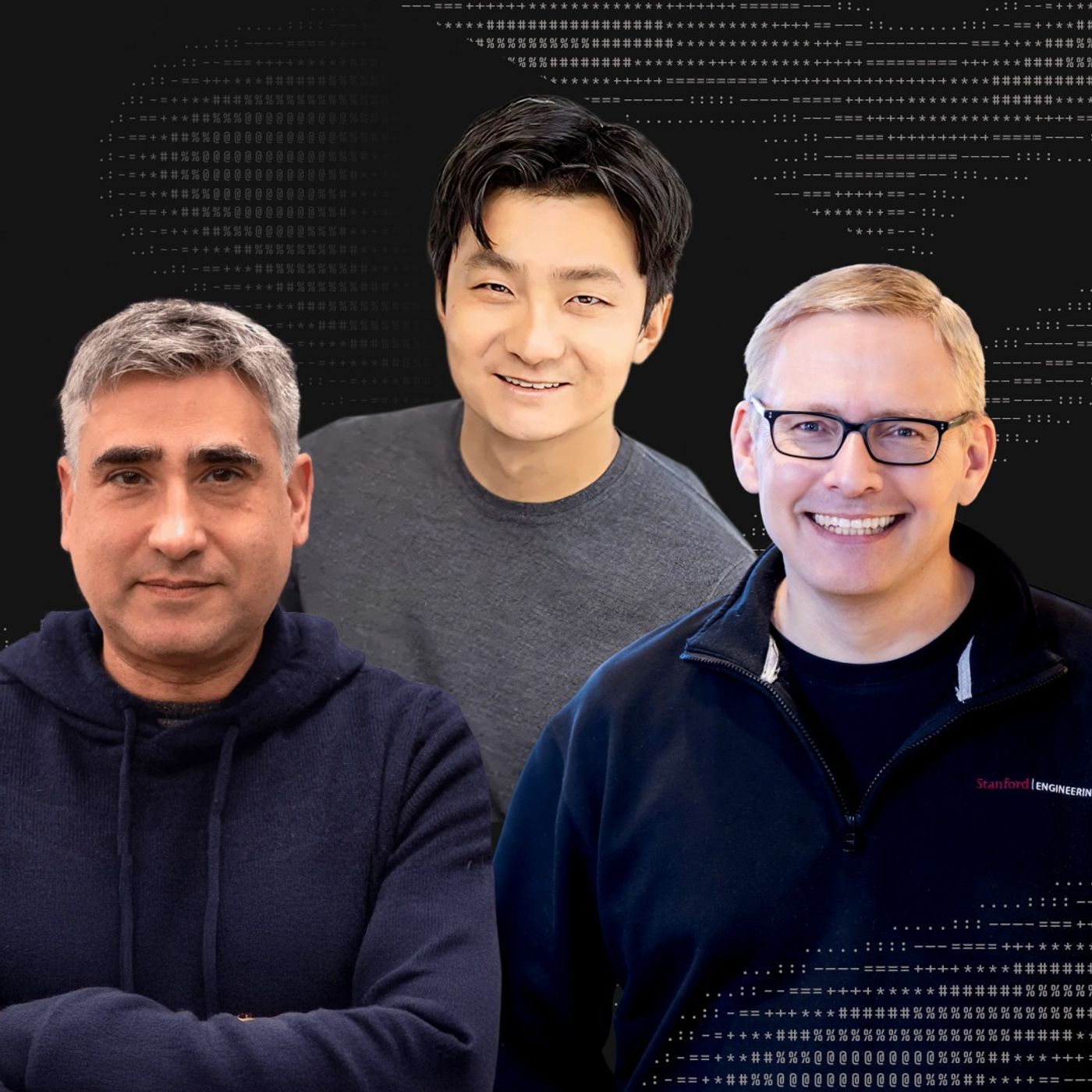
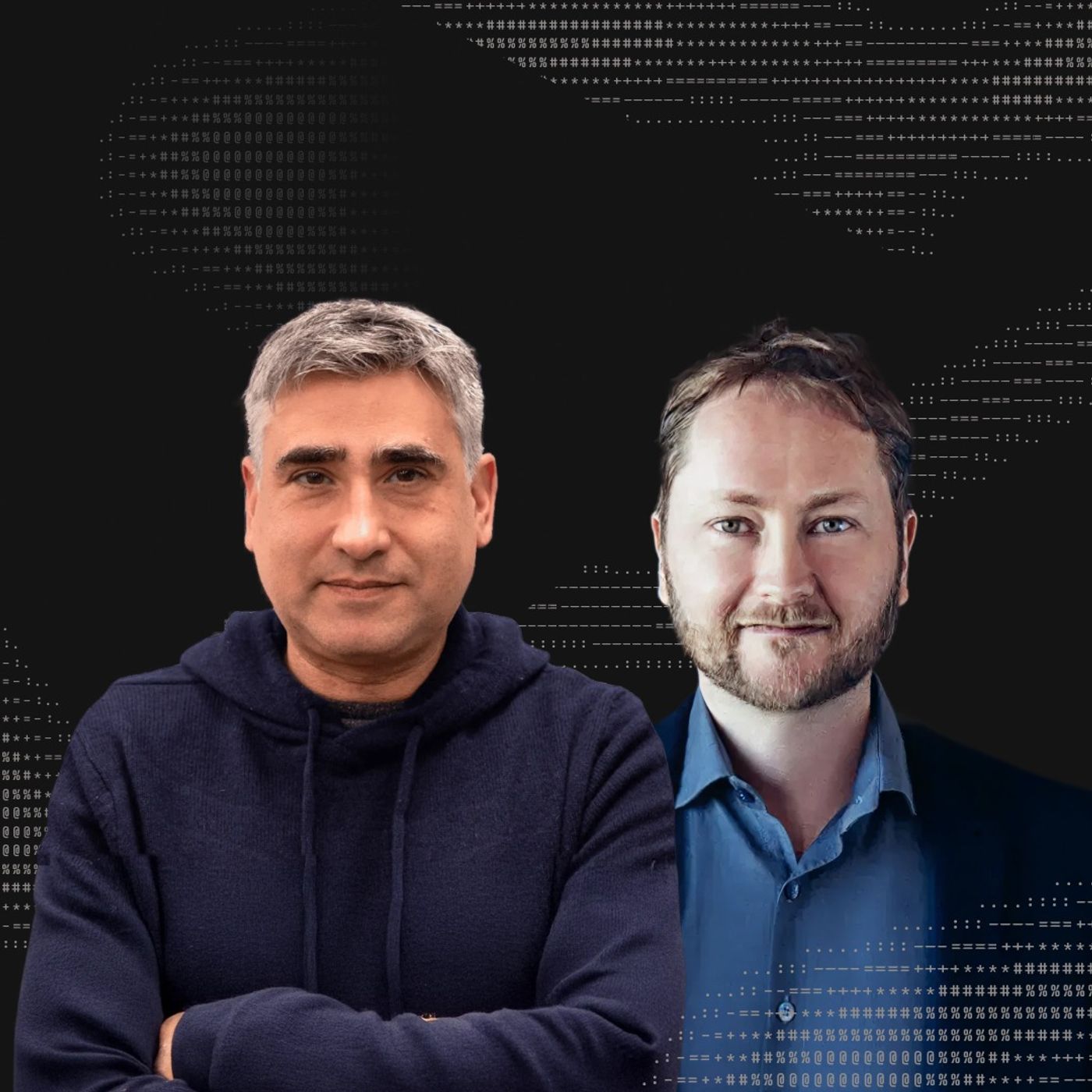
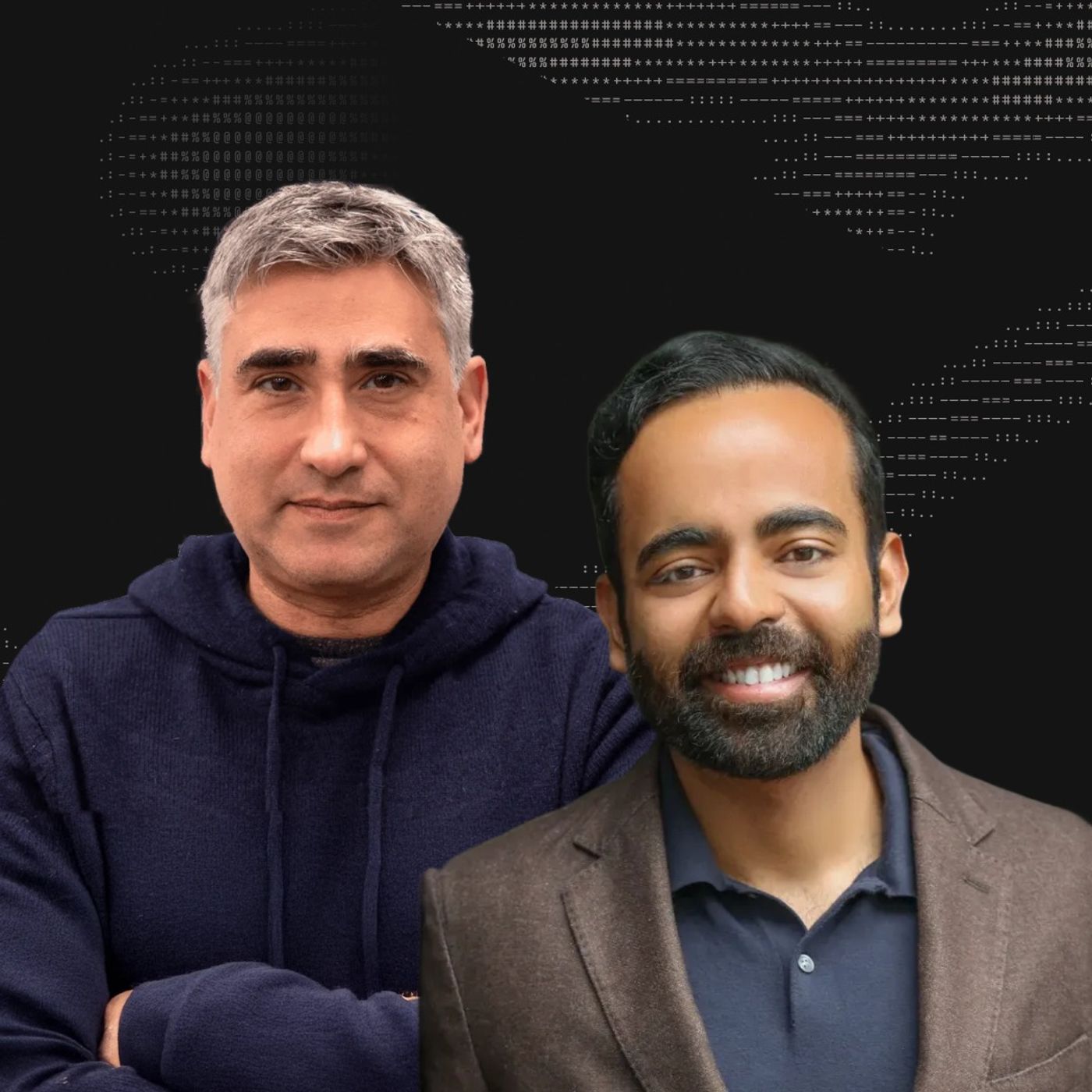
In this episode, Chief Legal & Policy Officer Jai Ramaswamy, Matt Perault, and a16z General Partner Martin Casado take a first-principles look at AI regulation, arguing that policymakers should focus on regulating harmful uses rather than model development until AI’s marginal risks are better understood. Drawing on decades of software governance debates, from encryption to cybersecurity, they contend that development-level rules are hard to define, easy to loophole, and likely to become obsolete in a fast-moving field where even the definition of “AI” remains unstable. They also unpack how regulatory uncertainty already creates real-world consequences by chilling open-source releases, advantaging well-resourced incumbents over startups, and pushing the next generation of builders and researchers toward Chinese open models, making the case for evidence-based, technology-neutral policy that protects against bad behavior without stifling innovation.
January 20, 2026
46 min
77
Full
77 of 100
Episode 77 · January 20, 2026
How Should AI Be Regulated? Use vs. Development
0:00 / 46:45
Excerpt playback isn’t available for this episode — use the full-episode link.
Search the Record
Moment search isn’t open for this episode yet
When it opens, you’ll be able to type any phrase and jump straight to the second it was said.
A16z Episodes Around January 20, 2026
Episode 77 of 100 — walk the feed in the order it was published.




How Should AI Be Regulated? Use vs. Development
Summary
In this episode, Chief Legal & Policy Officer Jai Ramaswamy, Matt Perault, and a16z General Partner Martin Casado take a first-principles look at AI regulation, arguing that policymakers should focus on regulating harmful uses rather than model development until AI’s marginal risks are better understood. Drawing on decades of software governance debates, from encryption to cybersecurity, they contend that development-level rules are hard to define, easy to loophole, and likely to become obsolete in a fast-moving field where even the definition of “AI” remains unstable. They also unpack how regulatory uncertainty already creates real-world consequences by chilling open-source releases, advantaging well-resourced incumbents over startups, and pushing the next generation of builders and researchers toward Chinese open models, making the case for evidence-based, technology-neutral policy that protects against bad behavior without stifling innovation.
Topics
Episode details and artwork are published by the show’s own feed. Sentinel plays short cited excerpts and links every episode back to its publisher.