
Professor Angelo Dube: Crimes Against Humanity and eSwatini/Swaziland
August 9, 2021
33 min
Full
33 of 106

August 9, 2021
Professor Angelo Dube: Crimes Against Humanity and eSwatini/Swaziland
0:00 / 33:13
Excerpt playback isn’t available for this episode — use the full-episode link.
Search the Record
Moment search isn’t open for this episode yet
When it opens, you’ll be able to type any phrase and jump straight to the second it was said.
Eswatini Politics Episodes Around August 9, 2021
Episode 33 of 106 — walk the feed in the order it was published.







 33:13This episode
Professor Angelo Dube: Crimes Against Humanity and eSwatini/Swaziland














Summary
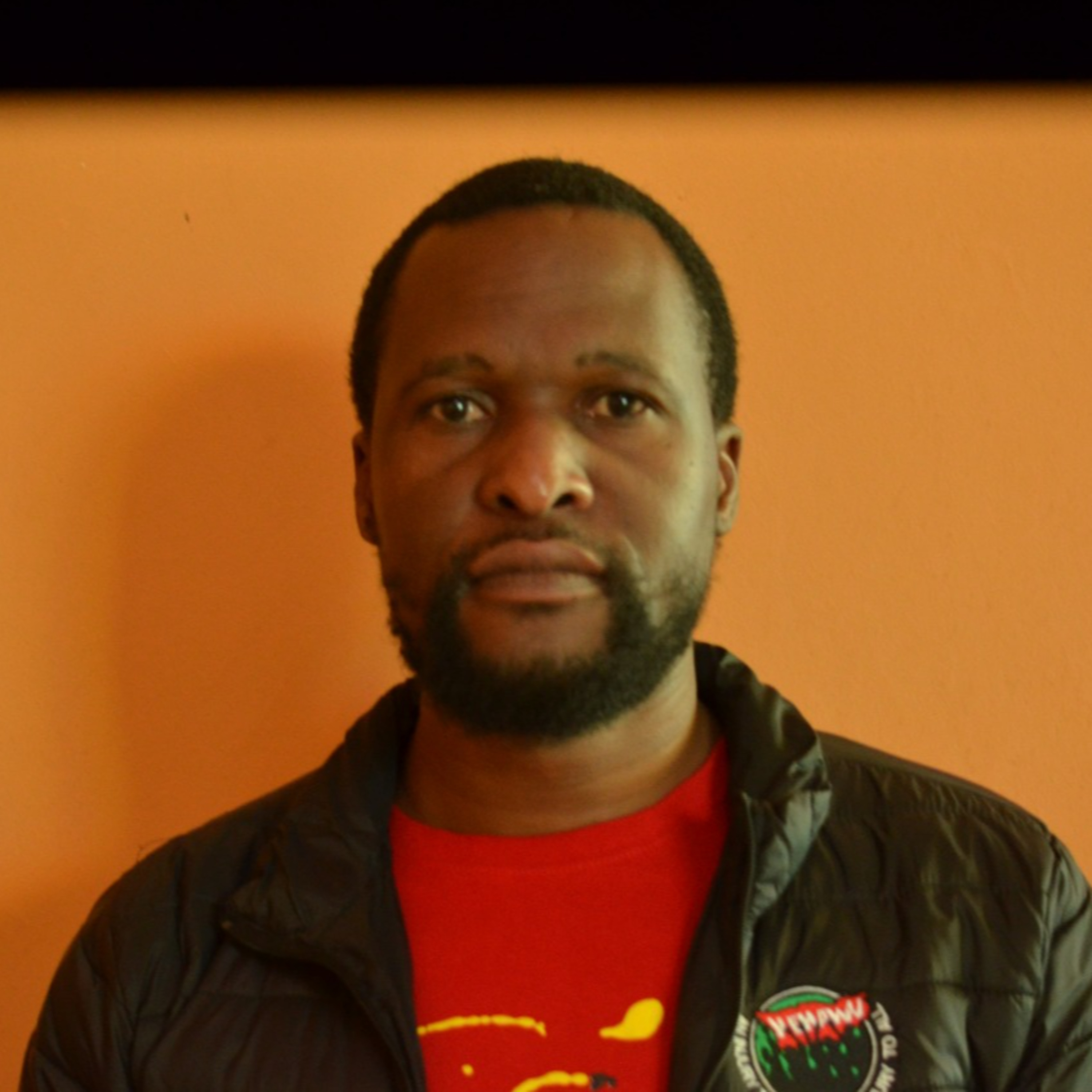
<p>To discuss crimes against humanity, with a particular focus on eSwatini, I’m joined by Prof. Angelo Dube. He is a professor of International Law at the University of South Africa. Prof Angelo is an expert in international criminal law, universal jurisdiction, comparative constitutionalism, amongst other things. He is also the Chief Editor of the South African Yearbook of International Law</p>
<p>Highlights of the conversation:</p>
<ul>
<li>Crimes against humanity include Murder; Extermination; Enslavement; Deportation or forcible transfer of population Imprisonment; Torture; Sexual violence; Persecution against an identifiable group; Enforced disappearance of persons; The crime of apartheid; Other inhumane acts of a similar character intentionally causing great suffering, or serious injury to body or to mental or physical health.</li>
<li>Impunity, and immunity for international crimes at the international level</li>
<li>Prosecution and protection of senior state officials</li>
<li>The process of reporting and/or prosecuting crimes before the International Criminal Court (ICC) and the African Criminal Court.</li>
<li>Even though eSwatini is not a signatory to the Rome Statute of International Criminal Court, it’s not an exercise in futility to report the king of eSwatini to the ICC<em>. </em>Customary international law does not require a state to be a signatory to the Rome Statute<em>.</em></li>
<li>The ICC would still have jurisdiction to indict and prosecute senior state officials (including the king, the army commander, and the commissioner of police) in eSwatini.</li>
<li>The role of civil society in international law crimes (crimes against humanity) in assisting victims.</li>
<li>It's by design that eSwatini has not signed the Rome Statute.</li>
<li>The role of the UN Security Council’s to make a resolution calling up the ICC, if there’s enough evidence, to investigate and prosecute crimes against humanity.</li>
<li>South African law - eSwatini senior state officials can be arrested in South Africa once the ICC has issued a warrant of arrest.</li>
</ul>
<p>Find Prof. Dube @:</p>
<p>Twitter: https://twitter.com/DubeProf</p>
<p>LinkedIn:<a href="https://www.linkedin.com/in/prof-angelo-dube?lipi=urn%3Ali%3Apage%3Ad_flagship3_profile_view_base_contact_details%3BHjyIGQ3BQn6qNFRAoiYMgQ%3D%3D">linkedin.com/in/prof-angelo-dube</a></p>
<p>Facebook: https://www.facebook.com/search/top/?q=Angelo%20Dube</p>
<p>Instagram: https://www.instagram.com/capt_angelodube/</p>
<p><br /></p>