
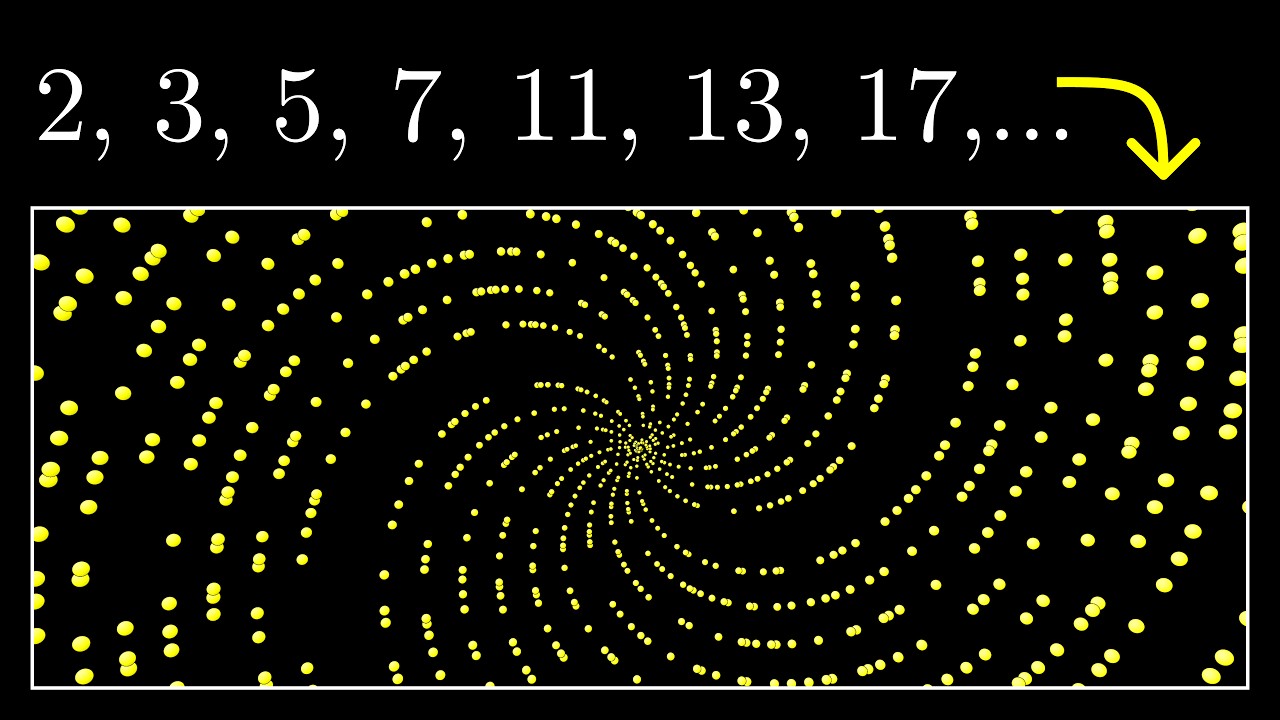
Why do prime numbers make these spirals? | Dirichlet’s theorem and pi approximations
October 8, 2019
7,509,618
199,604
7,318
2.76%
Search the Record
IndexedEvery word spoken in this episode is indexed. Type any phrase to jump straight to the moment it was said.
Type any word or phrase that may have been spoken. Click a result to seek the player to that exact moment.
Try a name, a topic, or a quoted line
3blue1brown Episodes Around October 8, 2019
See what was published immediately before and after this episode.


 22:21Now Playing
Why do prime numbers make these spirals? | Dirichlet’s theorem and pi approximations


Chapters
YouTube Description
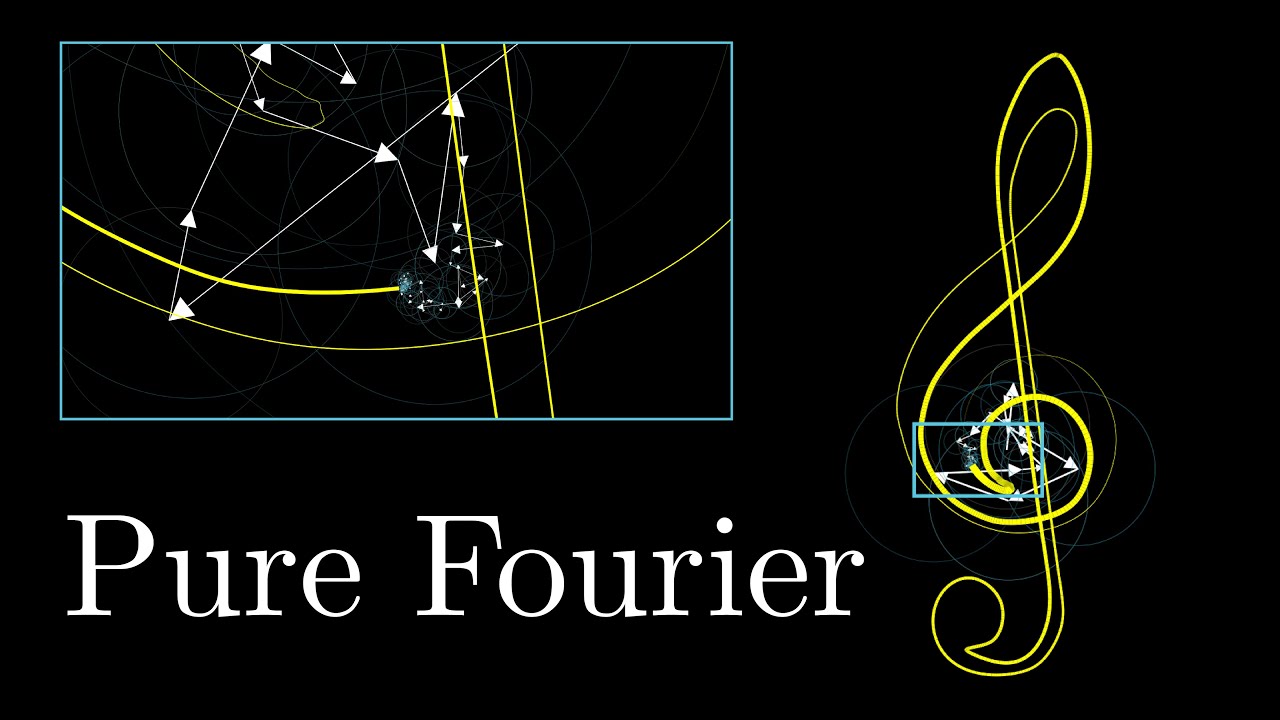
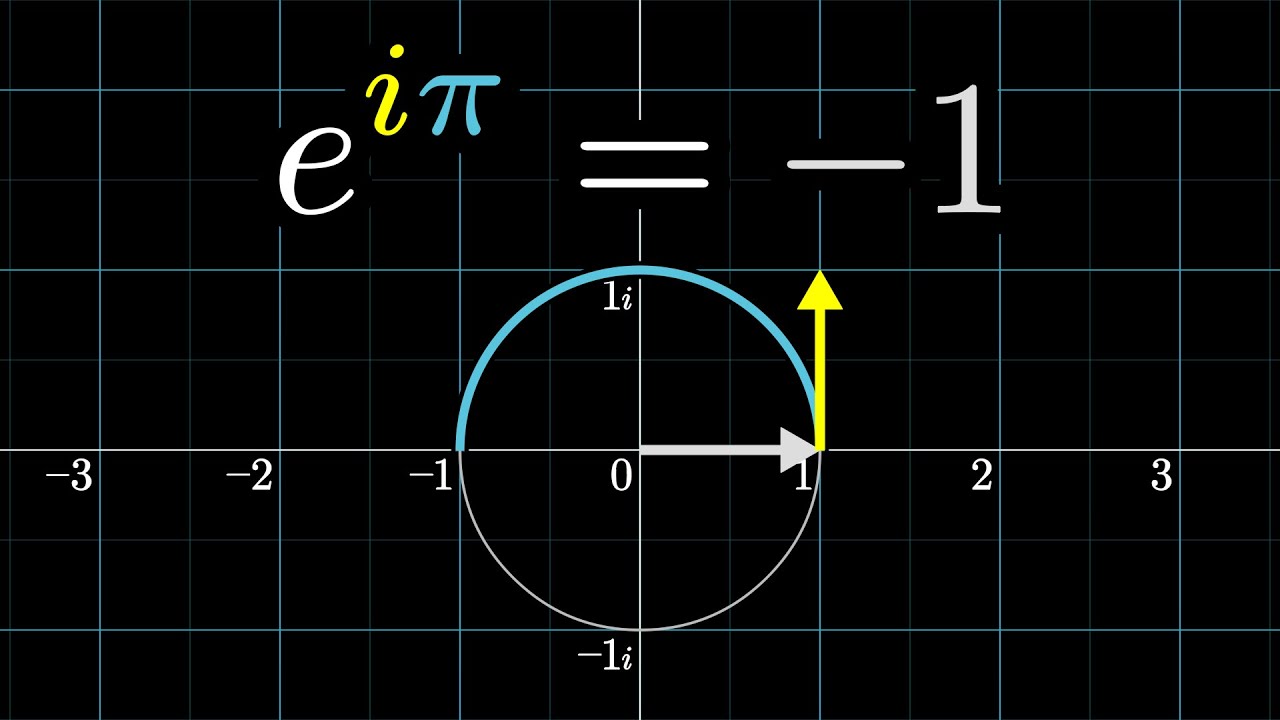
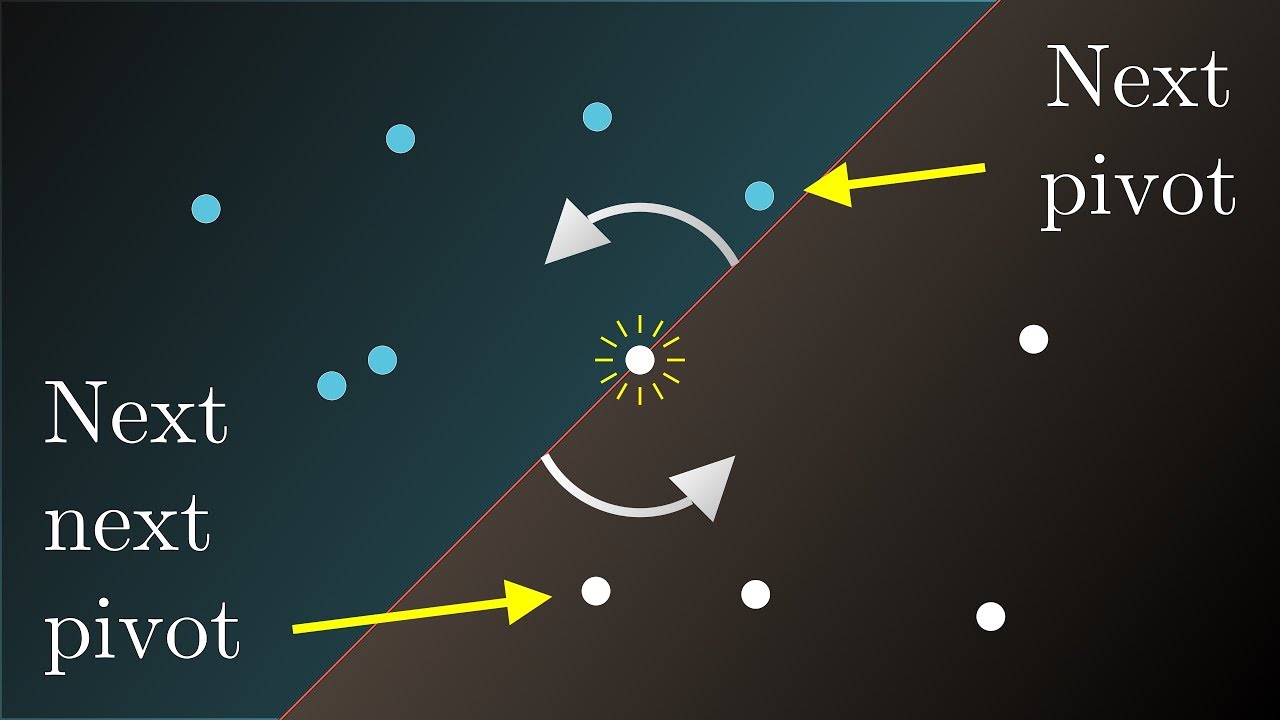
as posted by the channelA curious pattern, approximations for pi, and prime distributions.
Help fund future projects
An equally valuable form of support is to simply share some of the videos.
Special thanks to these supporters
Based on this Math Stack Exchange post:
Want to learn more about rational approximations? See this Mathologer video.
Also, if you haven't heard of Ulam Spirals, you may enjoy this Numberphile video:
Dirichlet's paper:
Timestamps:
Corrections:
Dirichlet observed this equal distribution numerically and noted this in his paper, but it wasn't until decades later that this fact was properly proved, as it required building on some of the work of Riemann in his famous 1859 paper. If I'm not mistaken, I think it wasn't until Vallée Poussin in (1899), with a version of the prime number theorem for residue classes like this, but I could be wrong there.
In many ways, this was a very silly error for me to have let through. It is true that this result was proven with heavy use of complex analysis, and in fact, it's in a complex analysis lecture that I remember first learning about it. But of course, this would have to have happened after Dirichlet because it would have to have happened after Riemann!
My apologies for the mistake. If you notice factual errors in videos that are not already mentioned in the video's description or pinned comment, don't hesitate to let me know.
Thanks to these viewers for their contributions to translations
Hebrew: Omer Tuchfeld
------------------
These animations are largely made using manim, a scrappy opensource python library
If you want to check it out, I feel compelled to warn you that it's not the most well-documented tool, and it has many other quirks you might expect in a library someone wrote with only their own use in mind.
Music by Vincent Rubinetti.
Download the music on Bandcamp:
Stream the music on Spotify:
If you want to contribute translated subtitles or to help review those that have already been made by others and need approval, you can click the gear icon in the video and go to subtitles/cc, then "add subtitles/cc". I really appreciate those who do this, as it helps make the lessons accessible to more people.
------------------
3blue1brown is a channel about animating math, in all senses of the word animate. And you know the drill with YouTube, if you want to stay posted on new videos, subscribe
Various social media stuffs:
Links & Promotions
Guests & Subjects Covered
Sentinel Indexing in Progress
Metadata and chapters are available. Claim extraction for this episode is pending.
All video content is delivered via YouTube embedded players in accordance with the YouTube Terms of Service. Sentinel provides research tools that promote discovery and accountability across political media.