Alliterative
@alliterative·47.8K subscribers·364 videos
The Art of Propaganda: The Endnotes
Posted
March 13, 2018
Views
3,888
Likes
108
Comments
9
Engagement
3.01%
March 13, 2018
3,888
108
9
3.01%
Every word spoken in this episode is indexed. Type any phrase to jump straight to the moment it was said.
Type any word or phrase that may have been spoken. Click a result to seek the player to that exact moment.
Try a name, a topic, or a quoted line
 3:31Now Playing
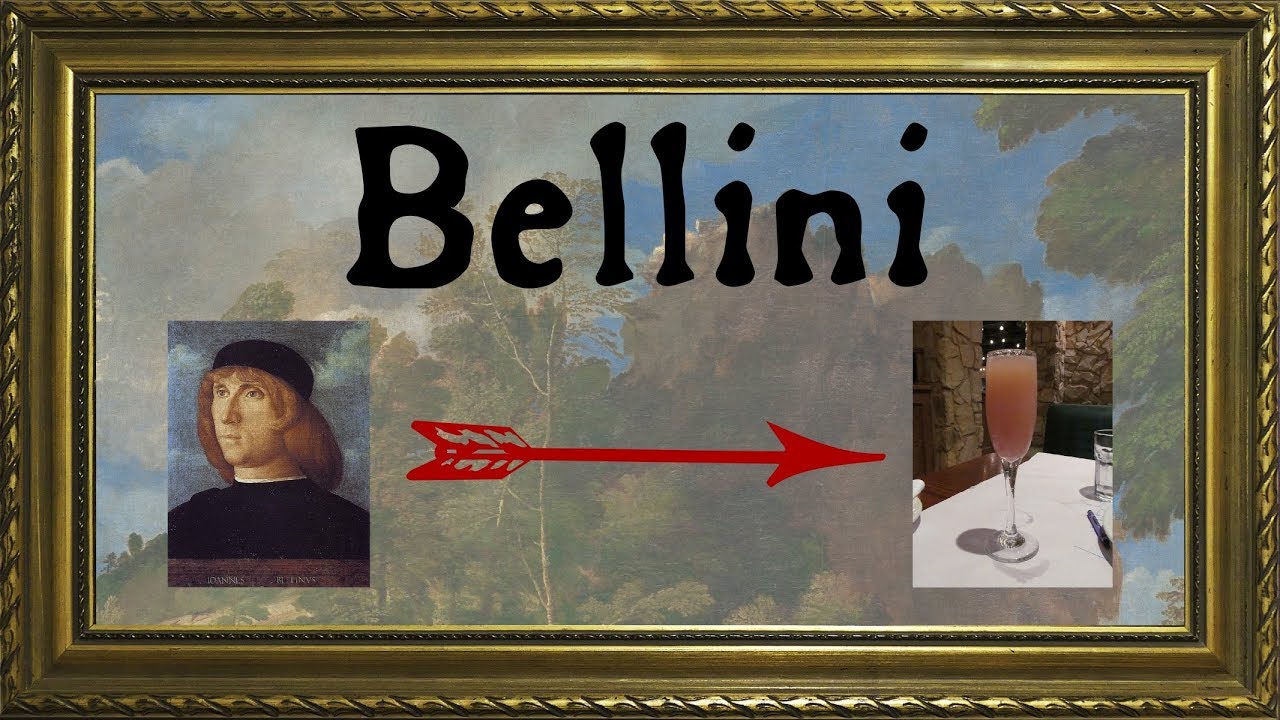
Some extra information from "Bellini" () about Mannerism, art & the CounterReformation, and the etymology of Propaganda.
Image Credits:
Transcript:
In the later part of the Italian Renaissance a new style of painting emerged called Mannerism. It’s in some ways a extension of and reaction to the art of the High Renaissance. Instead of the harmony and balance of the High Renaissance, Mannerism is characterized by exaggeration and asymmetry. Elements of Mannerism can already be seen in the later works of painters such as the Florentine Michaelangelo, but it is most evident in somewhat later artists in Rome and Florence between 1520 and the end of the 16th century, though not so much among the Venetian painters. But the Protestant Reformation, and the Catholic Church’s response to this, known as the Counter-Reformation, had an important influence on artistic styles going forward. Many reformers were concerned about the idolatry of religious art, so there was an element of iconoclasm there. The word iconoclast, by the way, comes from Greek eikonos “image” plus klastes “breaker”, originally referring to the destroyers of religious icons in the Eastern Church in the 8th and 9th century, but subsequently applied to Protestants in the 16th and 17th century who vandalized Catholic churches. By the 19th century the word iconoclast could be used metaphorically to refer to someone who attacked any traditional or orthodox beliefs. Well, the response of the Counter-Reformation to those Reformers was to kind of double down on the core values of the Catholic church in a number of ways. In particular as it related to religious art, in the final session of the Council of Trent in 1563, it was decreed that veneration should be directed at the person depicted in the art, not the image itself, and to that end they wanted to clamp down on the excessiveness in the artworks focusing instead on clearly understandable subjects. They rejected the use of nudity and pagan elements drawn from classical mythology. In other words, art was supposed to promote those core Catholic values, kind of propaganda for the Church. And indeed both sides during the Reformation engaged in aggressive propaganda war, as it was right around this time that the printing press was developed making mass media propaganda possible for the first time. In 1622, Pope Gregory XV established the Sacra Congregatio de Propaganda Fide, the Holy Congregation for the Propagation of the Faith, whose job it was to oversee the missionary work of the Church. In particular, the Church was worried that the new colonial expansion around the world was mainly in the Protestant hands of the Dutch and the English, and they hoped to contain the spread of Protestantism through their missionary efforts. And it is from this Congregation that we get the word propaganda from, Propaganda Fide, propagation of the faith, a gerundive of the Latin verb propagare “to spread, increase”. The word propaganda gained its modern political sense during WWI, which featured the first large scale use of propaganda by governments to unify their own populace and demonize the enemy. Today, the word propaganda has gained a pejorative sense, of governments indoctrinating the people with false information, though the sense is perhaps continuing to widen beyond just government, and is being joined by newer terms like ‘fake news’ and ‘alternative facts’.
Sentinel Indexing in Progress
Metadata and chapters are available. Claim extraction for this episode is pending.
All video content is delivered via YouTube embedded players in accordance with the YouTube Terms of Service. Sentinel provides research tools that promote discovery and accountability across political media.