Amna Nawaz
@PBSNewsHour·5.3M subscribers·62.2K videos
WATCH: ‘You would not be getting Justice Scalia,’ Amy Coney Barrett says of her SCOTUS nomination
Posted
October 13, 2020
Views
11,828
Likes
78
Engagement
0.66%
October 13, 2020
11,828
78
0.66%
Every word spoken in this episode is indexed. Type any phrase to jump straight to the moment it was said.
Type any word or phrase that may have been spoken. Click a result to seek the player to that exact moment.
Try a name, a topic, or a quoted line
 1:11Now Playing
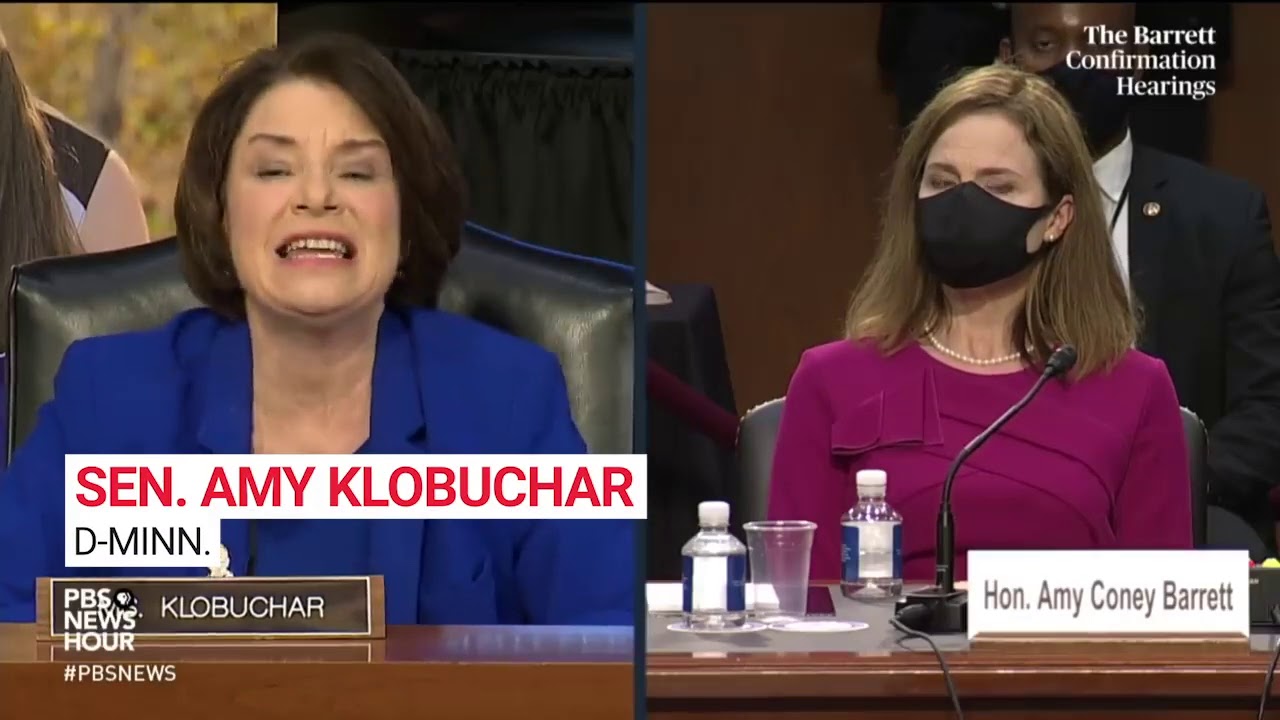
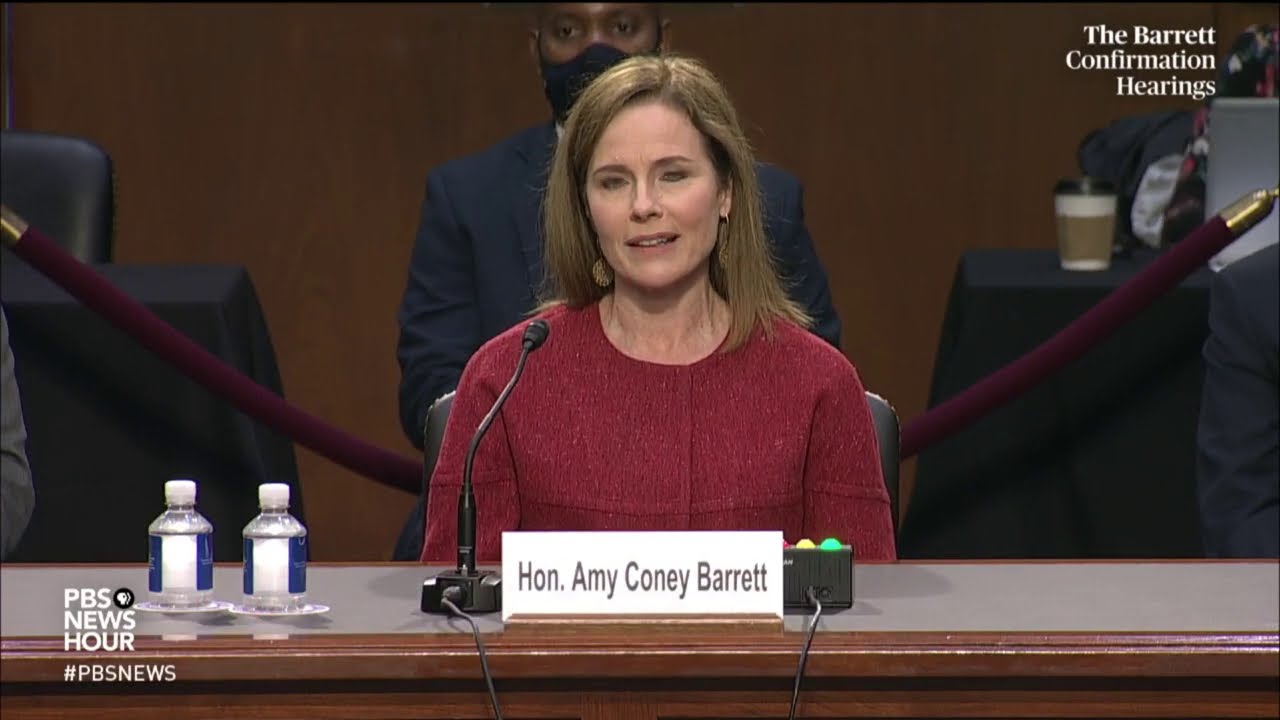
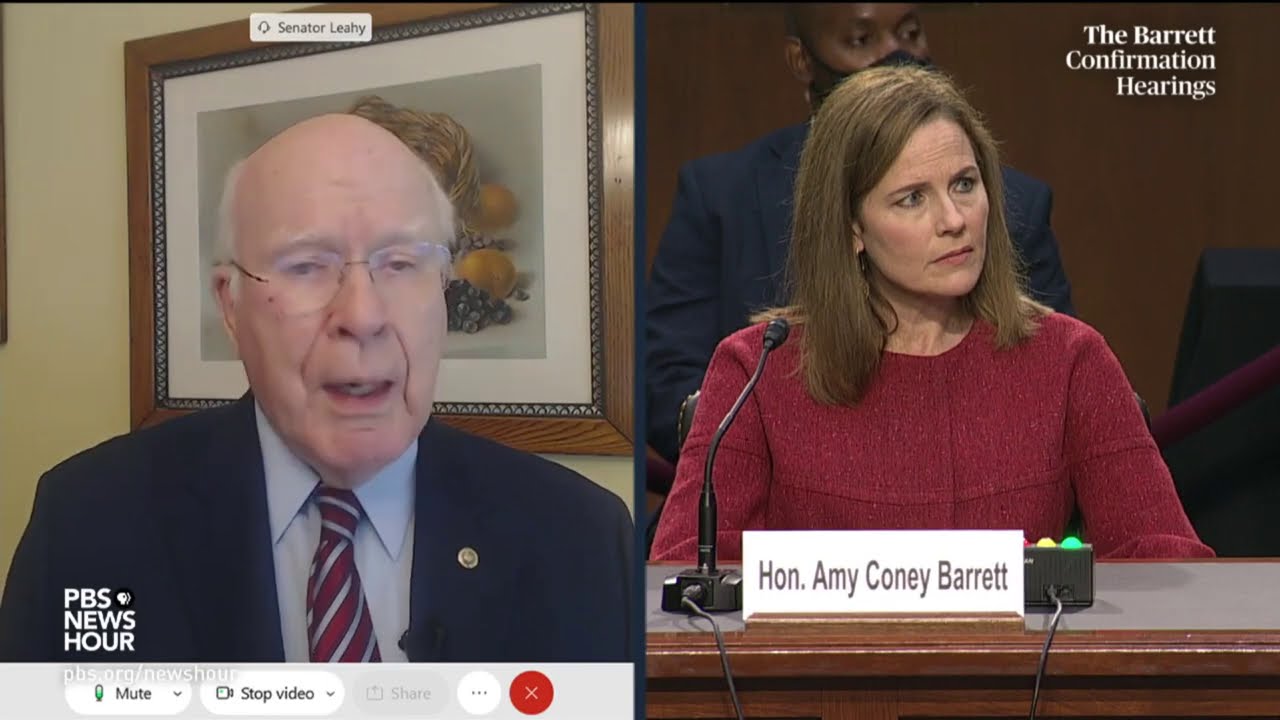
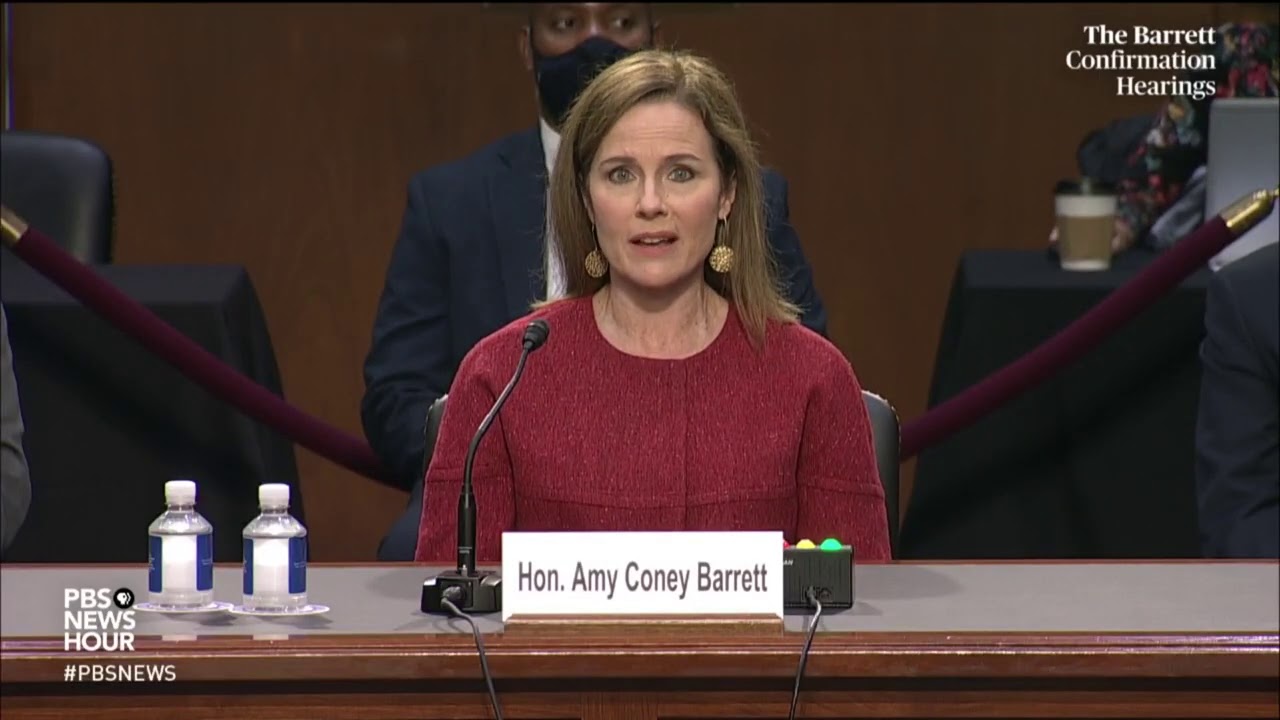
Supreme Court nominee Judge Amy Coney Barrett explained her judicial philosophy of originalism, an approach that asserts that the text of the Constitution must be interpreted based on the framers’ original intent.
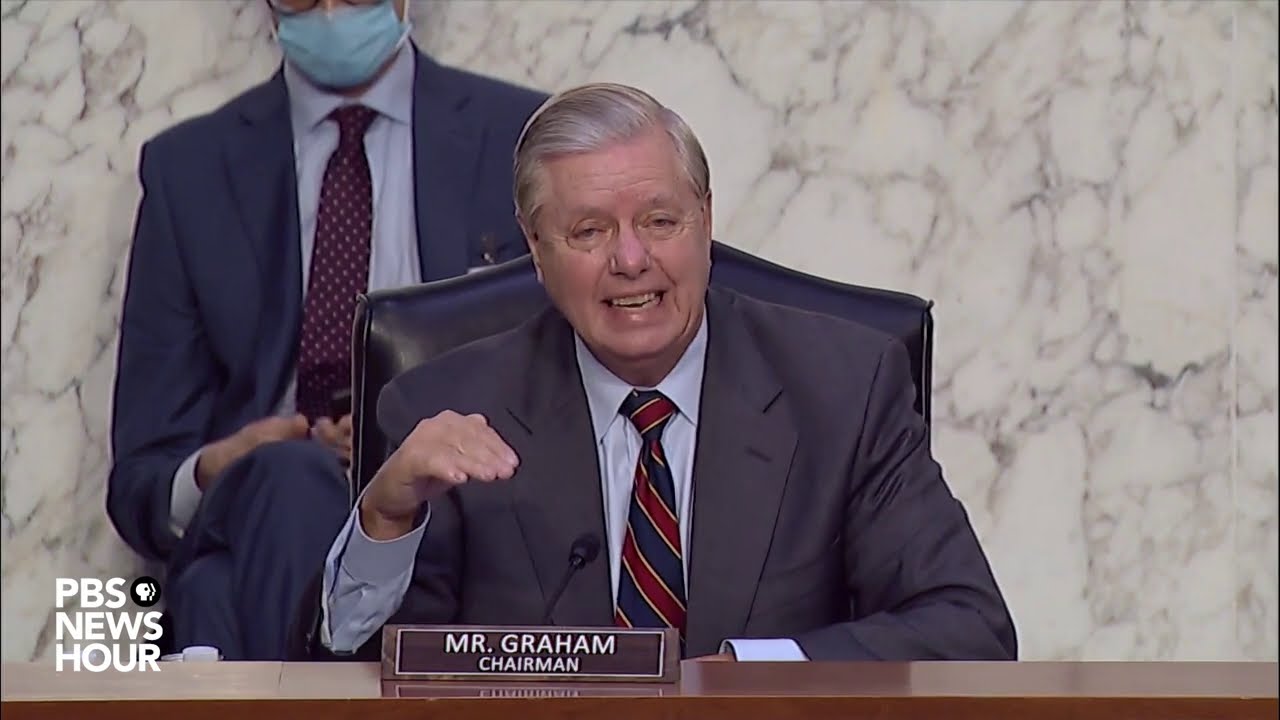
“That meaning doesn’t change over time, and it’s not up to me to update it, or infuse my own policy views into it,” Barrett told Senate Judiciary Chairman Lindsey Graham, R-S.C.
Barrett’s mentor, the late Justice Antonin Scalia, held the same judicial philosophy, she noted. But, she added, "If I’m confirmed, you would not be getting Justice Scalia. You would be getting Justice Barrett."
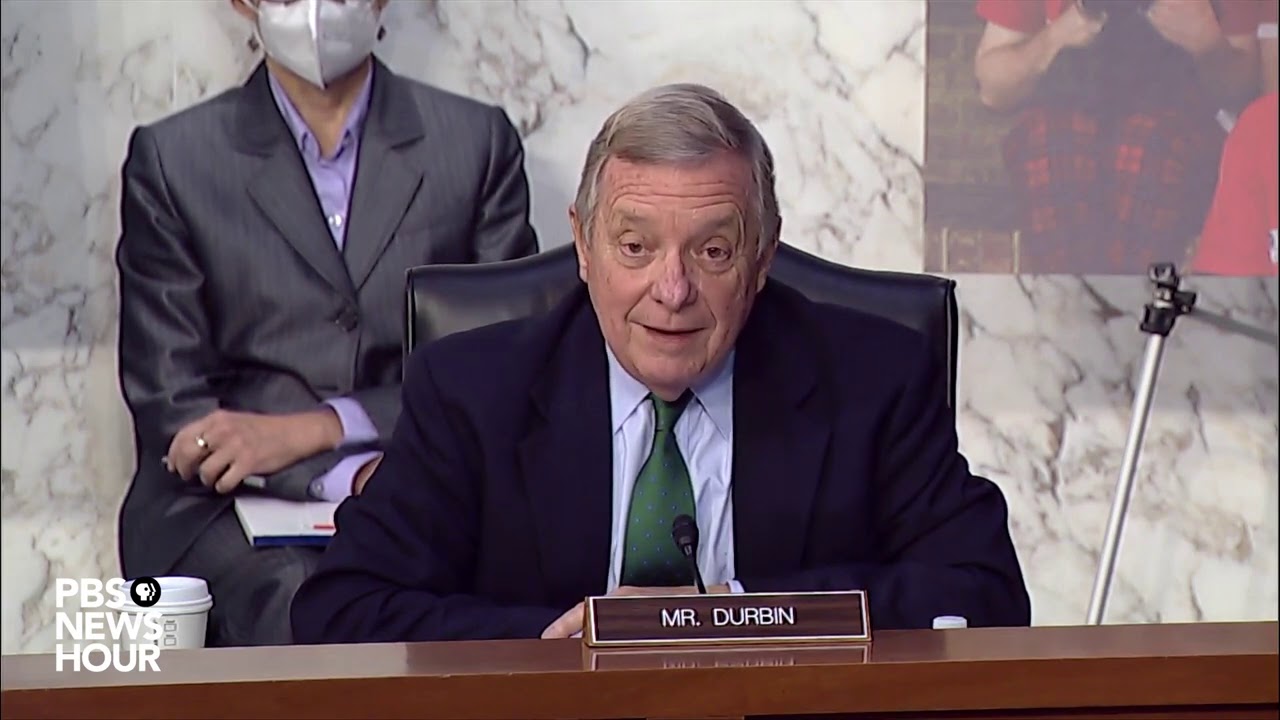
Barrett faced questions from members of the Senate Judiciary Committee on the second of four days of scheduled testimony as part of the committee’s Supreme Court confirmation hearings. The Oct. 13 hearing gave senators an opportunity to ask Barrett about her record and approach to the law.
Watch highlights from from Amy Coney Barrett's Supreme Court confirmation hearing Day 1
Watch highlights from Amy Coney Barrett's Supreme Court confirmation hearing Day 2
Stream your PBS favorites with the PBS app
Find more from PBS NewsHour at
Subscribe to our YouTube channel
Subscribe:
PBS NewsHour podcasts
Newsletters
Sentinel Indexing in Progress
Metadata and chapters are available. Claim extraction for this episode is pending.
All video content is delivered via YouTube embedded players in accordance with the YouTube Terms of Service. Sentinel provides research tools that promote discovery and accountability across political media.