Amna Nawaz
@PBSNewsHour·5.3M subscribers·62.2K videos
WATCH: Sen. Chris Coons presses Supreme Court nominee Amy Coney Barrett on 'balance of the court'
Posted
October 14, 2020
Views
13,240
Likes
104
Engagement
0.79%
October 14, 2020
13,240
104
0.79%
Every word spoken in this episode is indexed. Type any phrase to jump straight to the moment it was said.
Type any word or phrase that may have been spoken. Click a result to seek the player to that exact moment.
Try a name, a topic, or a quoted line
 3:34Now Playing
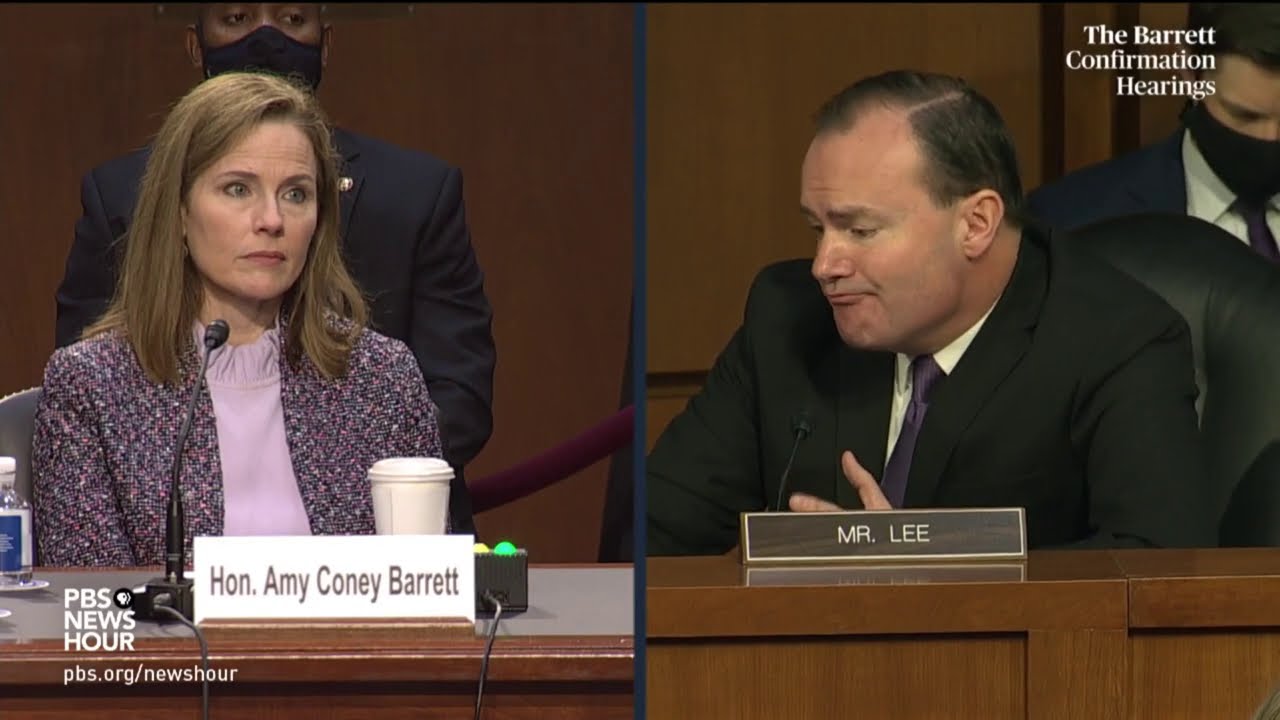
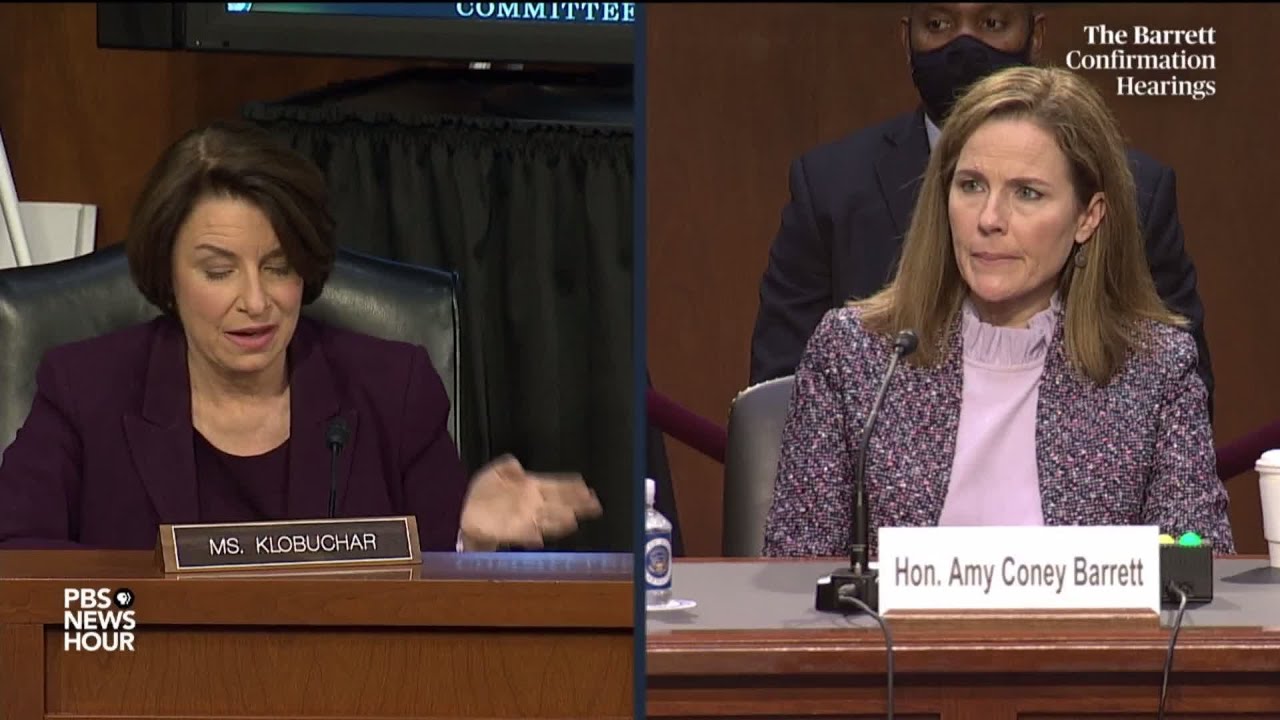
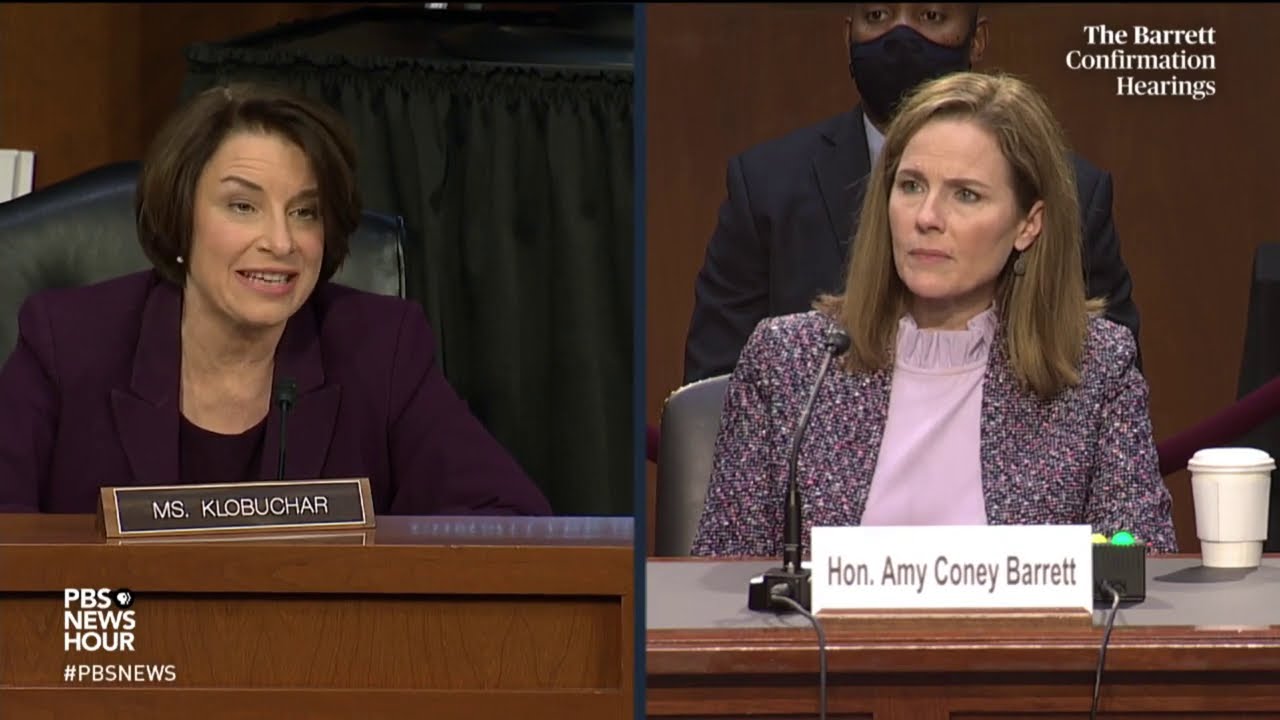
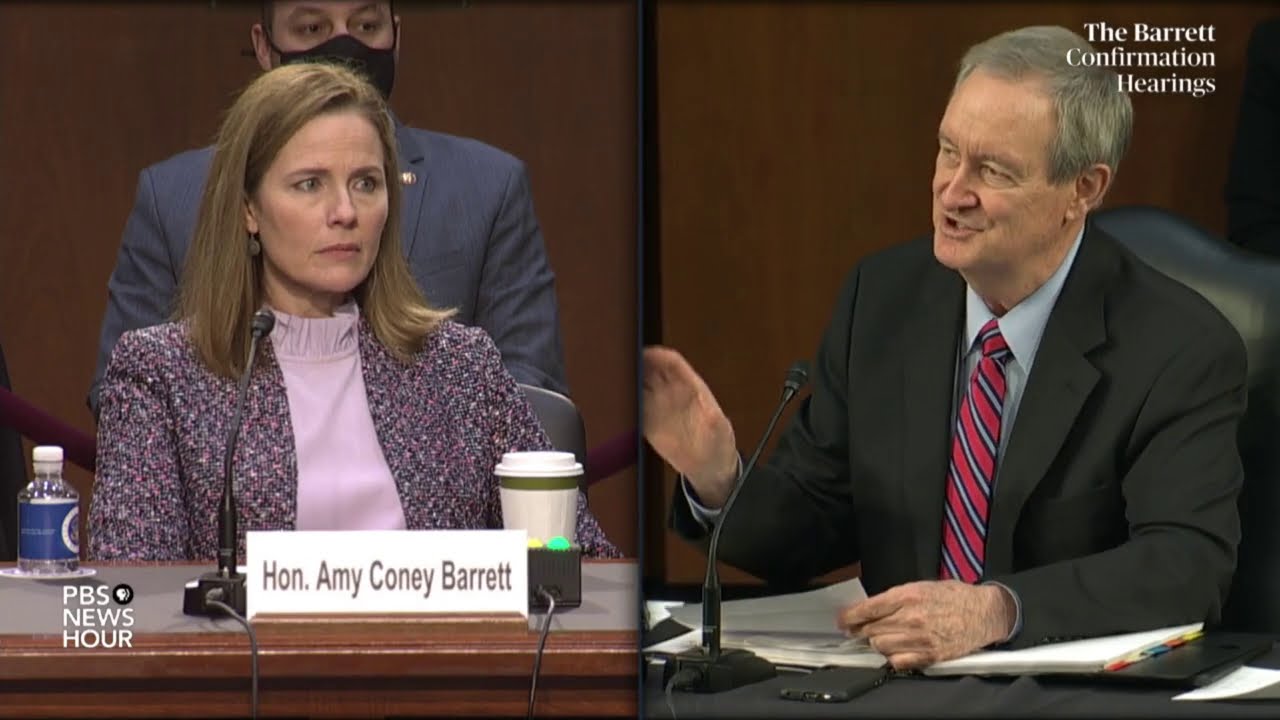
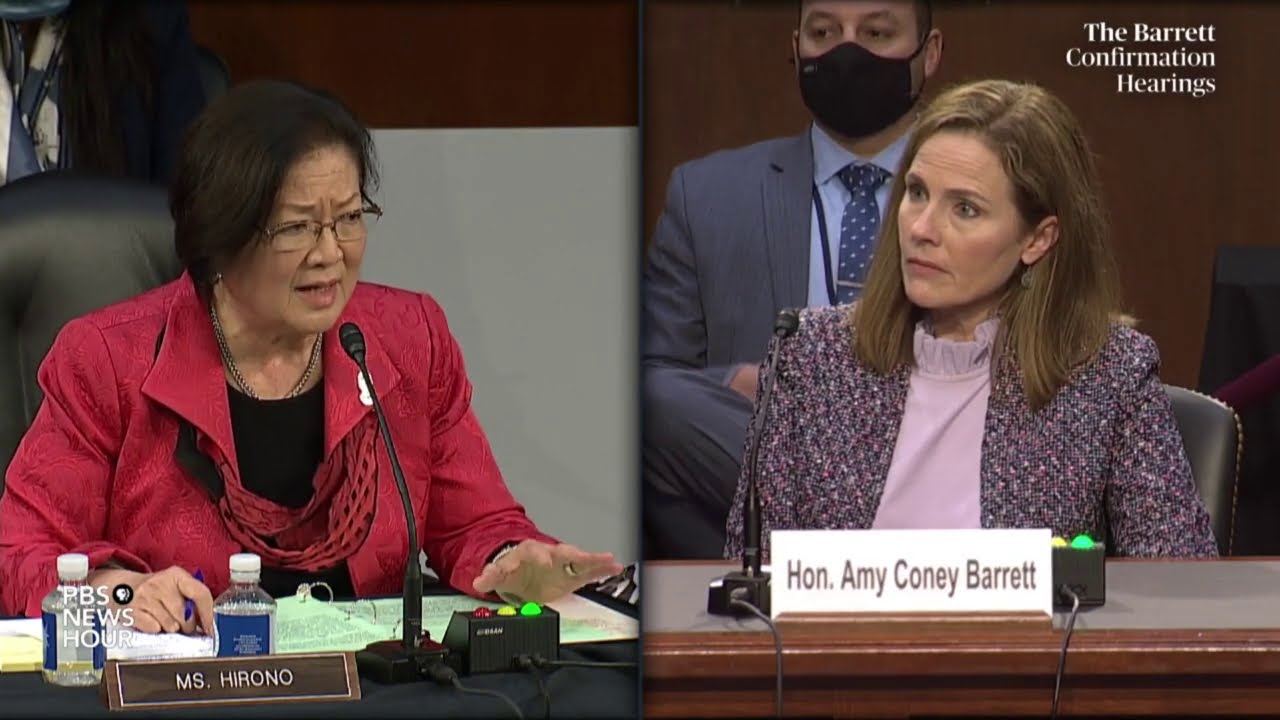
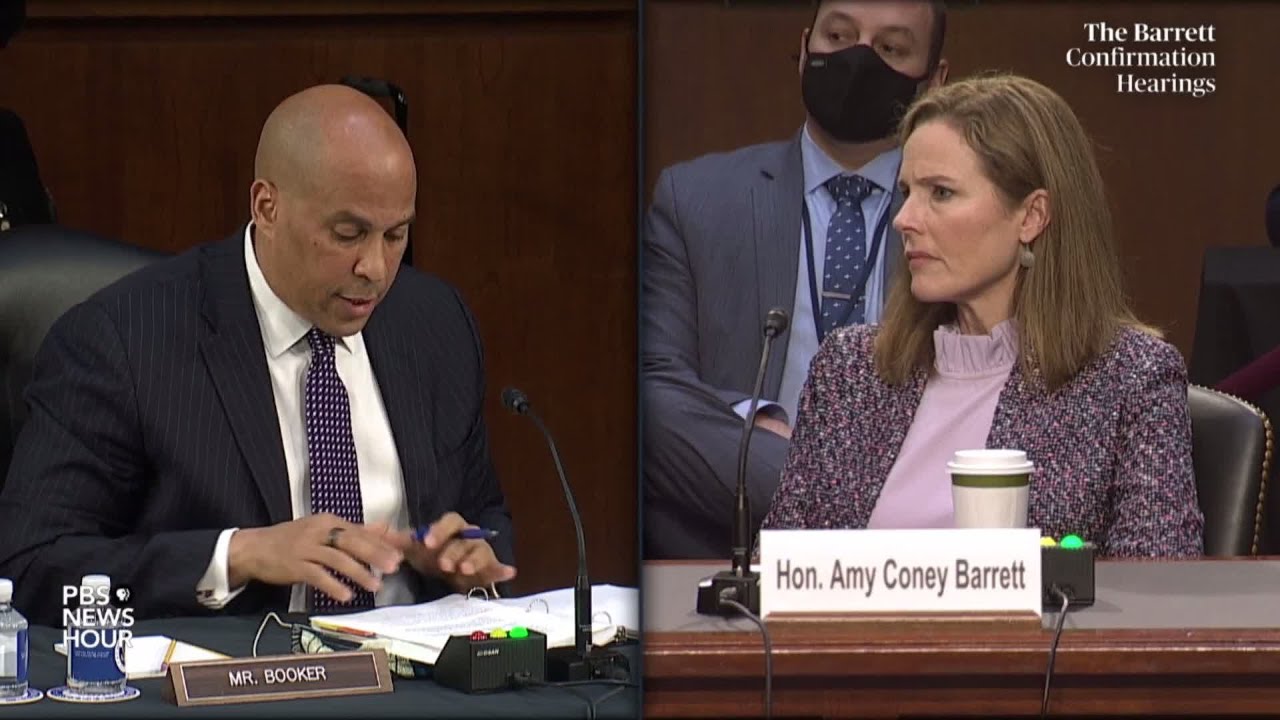
Sen. Chris Coons, D-Del., questioned Judge Amy Coney Barrett on Oct. 14, the third day of the Senate Judiciary Committee’s Supreme Court confirmation hearing. Coons asked if Barrett acknowledges that although she is not "identical" to her mentor, the late Justice Antonin Scalia, her confirmation would "profoundly impact the balance of the court and the way in which it decides future cases."
"Of course it's true that judges have differences in judicial philosophy. I actually think Justice Breyer and Justice Scalia are a great example of this because they sometimes had public debates, with Justice Scalia advocating originalism and Justice Breyer advocating individual liberty. And there's room on the court for that, for having different approaches," Barrett said, adding that although "judges don't have policy platforms," they do "take different approaches to interpreting the text." Barrett clarified that when she was describing how the balance of the court would shift during a previous line of questioning, "it would be away from one balance and toward another in terms of how judges think about the text."
Coons then pointed to a list of roughly 120 cases where the late Justice Ruth Bader Ginsburg was in the majority and where Scalia dissented, stating that those cases "touch on nearly every aspect of modern American life." "What's striking is if you just look at what a five-four balance toward this methodology means if changed towards a five-four balance to this [different] methodology, it has huge consequences for education, for consumer rights, for access to the courts, for civil rights, for immigration, for environmental protection, for Native American rights, for workers' rights, for elections, for executive power, for reproductive rights, for free speech, civil justice, economic development, privacy, government misconduct, prisoner rights, capital punishment, gun safety and criminal justice."
The hearing came about three weeks before Election Day. The third of four days of scheduled testimony gave senators another opportunity to ask Barrett about her record and approach to the law.
Watch highlights from from Amy Coney Barrett's Supreme Court confirmation hearing Day 1
Watch highlights from Amy Coney Barrett's Supreme Court confirmation hearing Day 2
Stream your PBS favorites with the PBS app
Find more from PBS NewsHour at
Subscribe to our YouTube channel
Subscribe:
PBS NewsHour podcasts
Newsletters
Sentinel Indexing in Progress
Metadata and chapters are available. Claim extraction for this episode is pending.
All video content is delivered via YouTube embedded players in accordance with the YouTube Terms of Service. Sentinel provides research tools that promote discovery and accountability across political media.