Amna Nawaz
@PBSNewsHour·5.3M subscribers·62.2K videos
WATCH: Sen. Ted Cruz presses Ketanji Jackson Brown on critical race theory
Posted
March 22, 2022
Views
117,564
Likes
842
Engagement
0.72%
March 22, 2022
117,564
842
0.72%
Every word spoken in this episode is indexed. Type any phrase to jump straight to the moment it was said.
Type any word or phrase that may have been spoken. Click a result to seek the player to that exact moment.
Try a name, a topic, or a quoted line
 4:33Now Playing
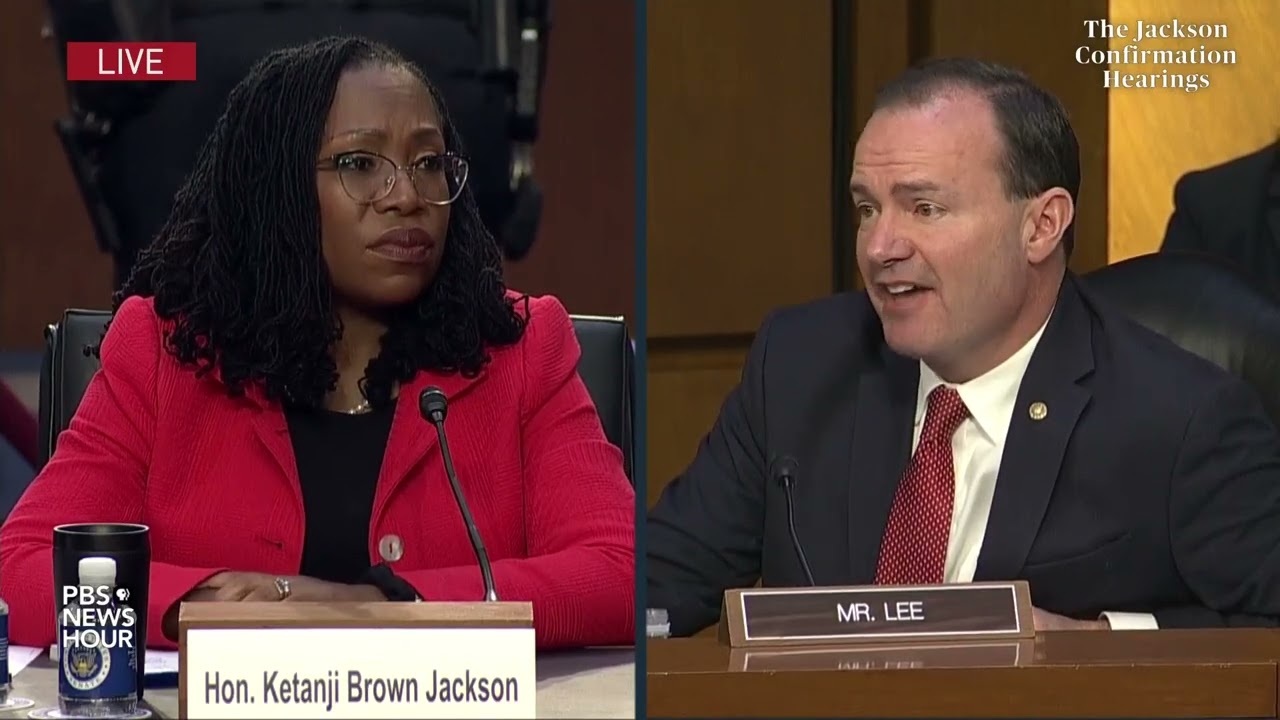
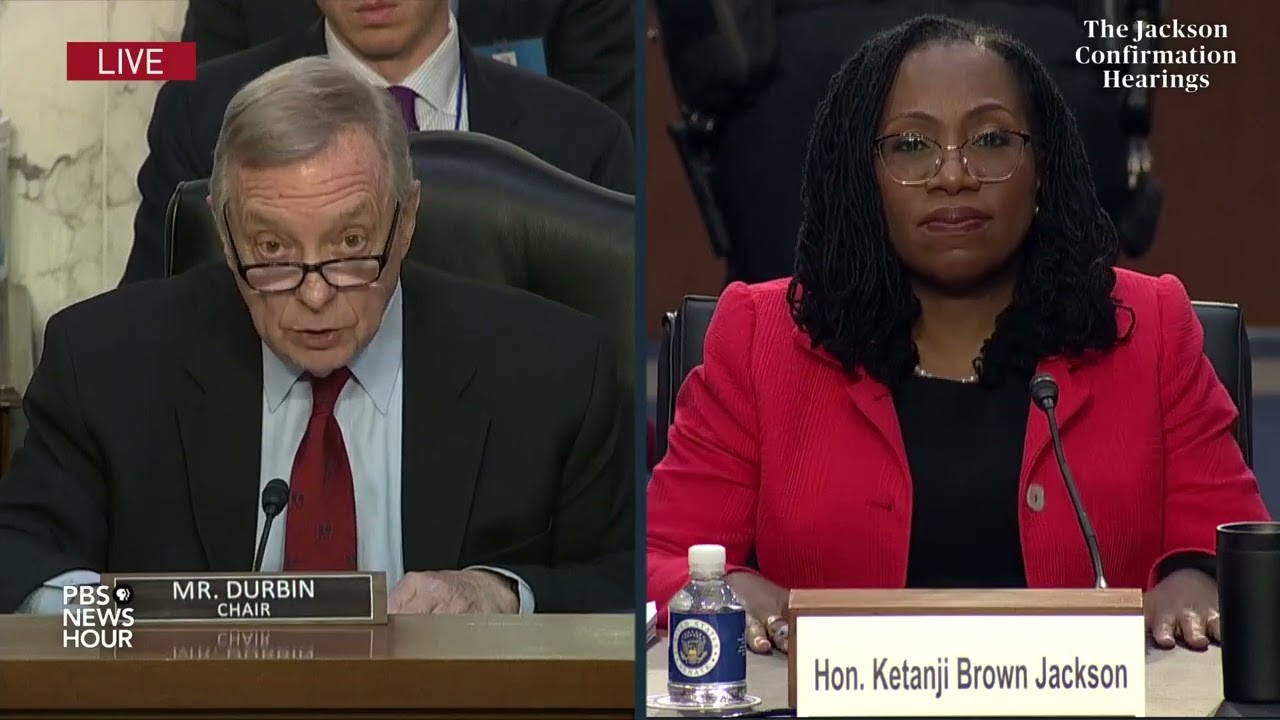
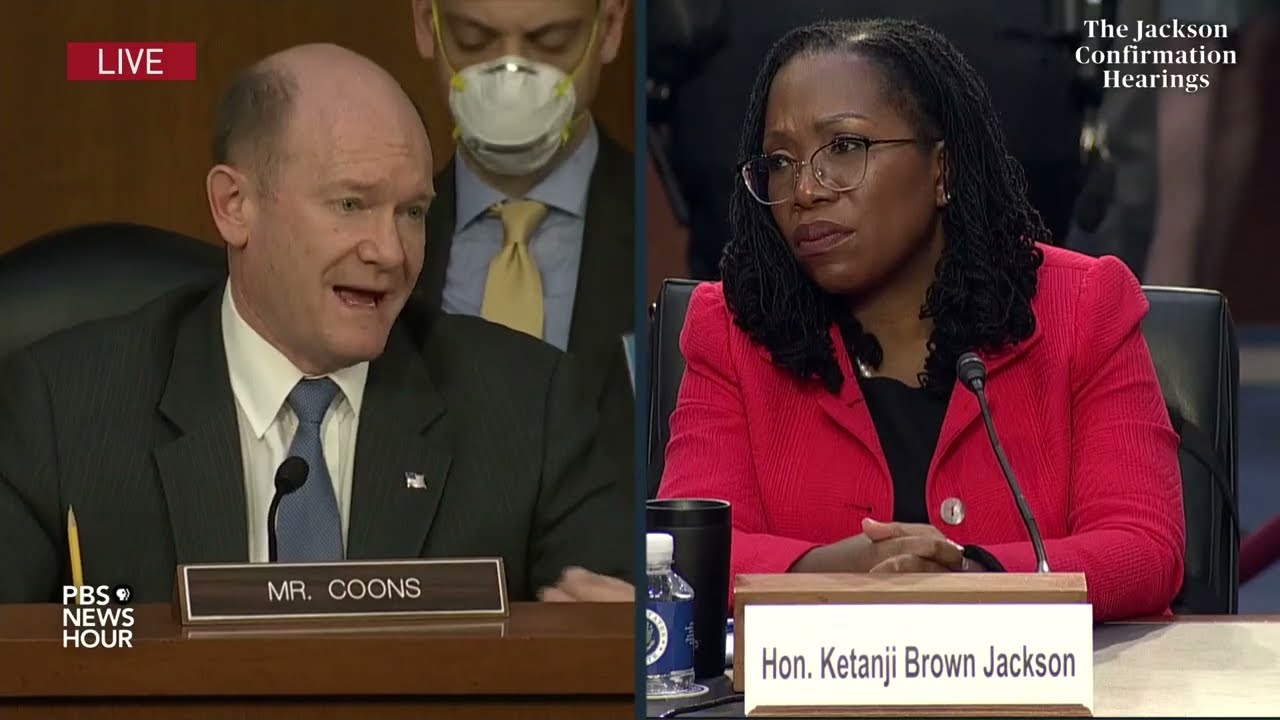
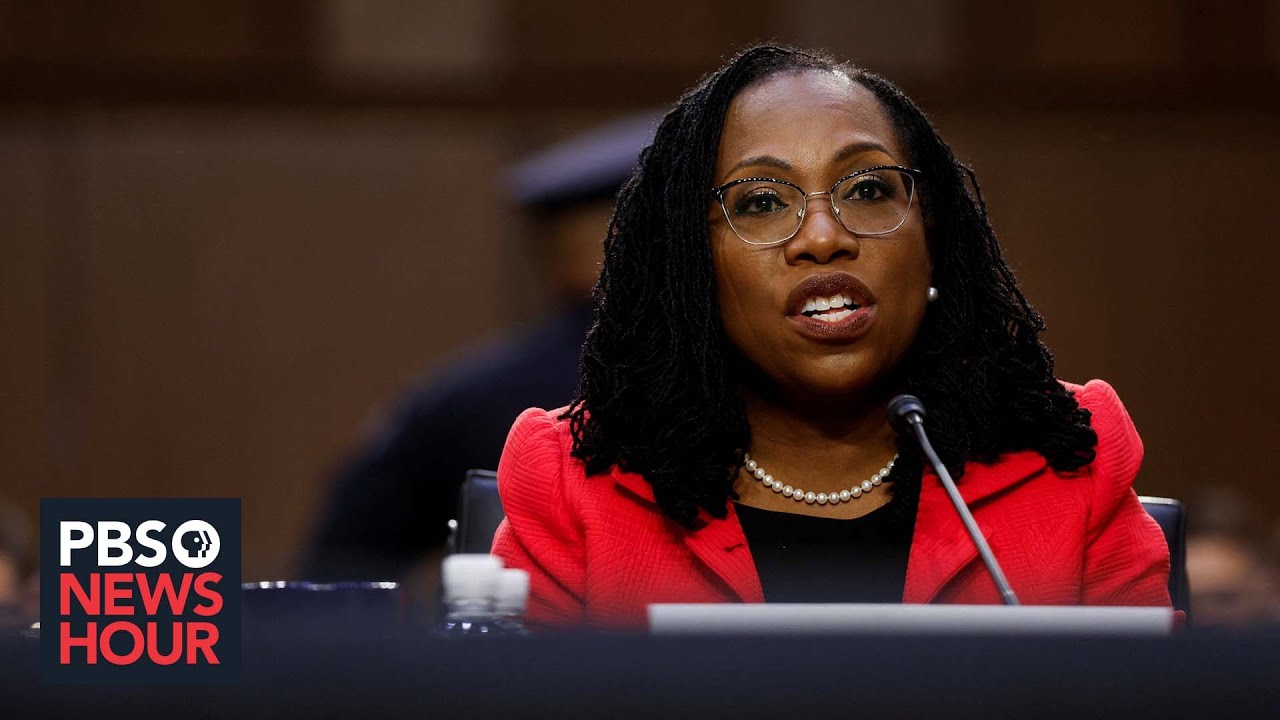
Sen. Ted Cruz, R-Texas, questioned Judge Ketanji Brown Jackson about critical race theory as the Senate Judiciary Committee continued its Supreme Court confirmation hearings March 22.
"I have not reviewed any of those books, any of those ideas," Jackson said in response to a long series of examples from Cruz. "They don't come up in my work as a judge, which I'm respectfully here to address."
Cruz cited a speech in which Jackson mentioned The New York Times’ journalist Nikole Hannah-Jones and the 1619 Project, a reporting project and initiative that explores slavery and its consequences as a foundational part of U.S. history.
“It is not something I have studied, it does not come up in my work,” Jackson said. “I mentioned it because at least at that time it was talked about and well known to the students I was talking about at that law school.”
She said most of her speech that cited the 1619 Project was about the contribution of Black women to the civil rights movement. Jackson noted that she had called the 1619 Project “provocative” and had not endorsed it.
Cruz also accused Georgetown Country Day School, a K-12 private school where Jackson serves as a board member, of teaching "critical race theory," referring to the academic framework typically used at the university level to explore how racism exists in our society and institutions. Republicans have often cited it in debates across the country in the last few years, some of them pushing new laws about what is taught about racism in K-12 schools. Cruz asked Jackson if she was aware of this being taught at the school, specifically mentioning a booked called “Antiracist Baby.”
“Do you agree with this book that is being taught with kids that babies are racist?” Cruz said.
“I do not believe that any child should be made to feel as though they are racist, or though they are not valued, or though they are less than. That they're victims, that they're oppressors. I don't believe in any of that,” Jackson said.
Jackson was nominated by President Joe Biden in February to replace retiring Supreme Court Justice Stephen Breyer. If confirmed, she will be the first Black woman on the high court.
After opening statements from Jackson, her colleagues and the senators March 21, senators will spend two days questioning Jackson at length about her rulings and judicial philosophy. On the final day of the hearings March 24, the Senate Judiciary Committee will hear from friends and colleagues of Jackson about her temperament and approach to the law.
Stream your PBS favorites with the PBS app
Find more from PBS NewsHour at
Subscribe to our YouTube channel
Subscribe:
PBS NewsHour podcasts
Newsletters
Sentinel Indexing in Progress
Metadata and chapters are available. Claim extraction for this episode is pending.
All video content is delivered via YouTube embedded players in accordance with the YouTube Terms of Service. Sentinel provides research tools that promote discovery and accountability across political media.