Amna Nawaz
@PBSNewsHour·5.3M subscribers·62.2K videos
What to know about ‘Cicada,’ the new COVID-19 variant #shorts
Posted
April 6, 2026
Views
24,691
Likes
347
Engagement
1.41%
April 6, 2026
24,691
347
1.41%
Every word spoken in this episode is indexed. Type any phrase to jump straight to the moment it was said.
Type any word or phrase that may have been spoken. Click a result to seek the player to that exact moment.
Try a name, a topic, or a quoted line
 2:19Now Playing
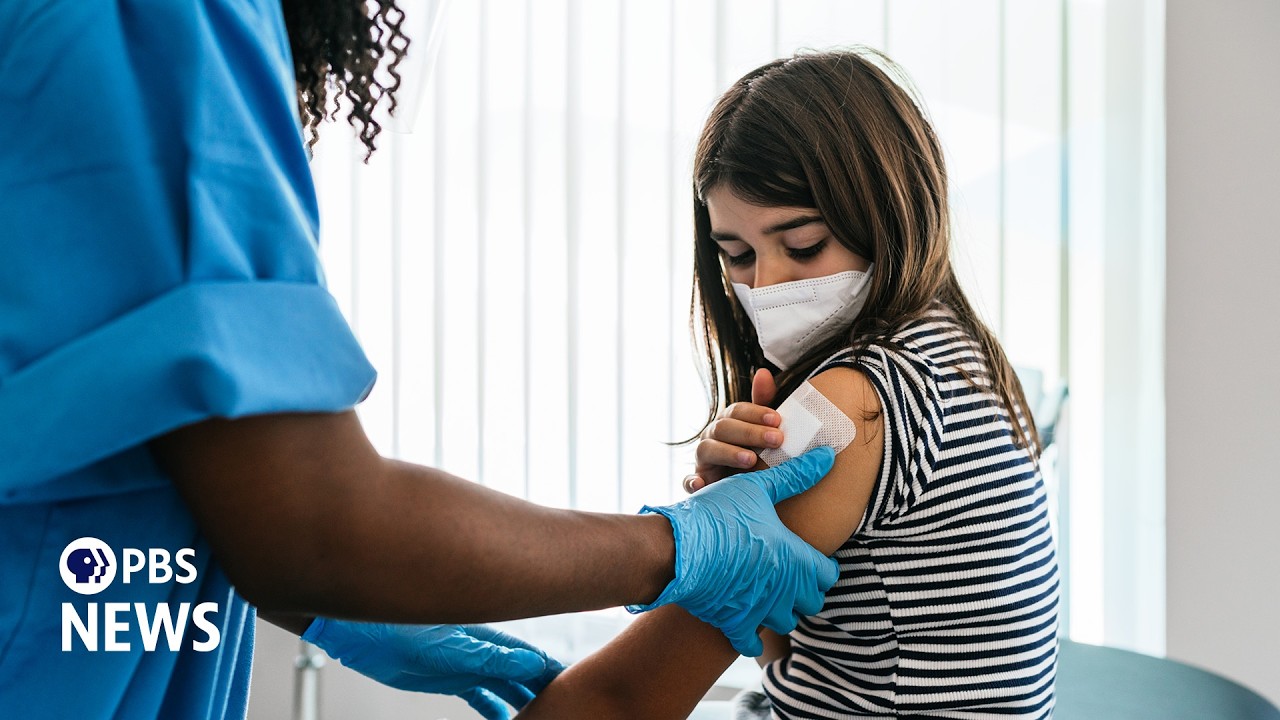
There's a new COVID variant in town. It's called "Cicada," and experts in the U.S. are on alert as it gains traction.
The official name of the variant is BA.3.2. It first appeared in 2024 in South Africa and was identified in the U.S. in the summer of 2025. It went dormant, much like its namesake insect, before resurfacing again in the U.S. around the new year.
"Cicada" is part of the omicron family, so it is similar to other recent variants. But it has a lot of mutations, making it harder for previous versions of the COVID vaccine to keep up against infection.
In Europe, this variant is behind about 30% of recent COVID-19 infections. In the U.S. it makes up a small number of known infections right now, but home testing and less stringent tracking by public health authorities makes it hard to track.
Cicada had been detected in 25 different states in the U.S. as of Feb. 11, according to the U.S. Centers for Disease Control and Prevention,
It’s too early to tell who might be most affected by this variant or how severe its symptoms are. Scientists interviewed by our friends at PolitiFact said, so far, "Cicada" seems to be mimicking other recent variants. Some early lab tests indicate it may be less transmissible, though more research is needed.
Current vaccines are still a good safeguard against severe illness, though protection against infection may be more limited compared to other recent strains. If cicada becomes more widespread, the variant may be able to sneak past immunity from previous infections and vaccines.
Home COVID-19 tests should be able to detect this variant. People who are immunocompromised and older adults should consider whether they need a vaccine booster, federal health authorities suggest.
Sign up for Here's The Deal with Lisa Desjardins
Subscribe for exclusive content in our newsletters
PBS News podcasts
Stream your PBS favorites with the PBS app
Find more from PBS News at
Subscribe to our YouTube channel
Sentinel Indexing in Progress
Metadata and chapters are available. Claim extraction for this episode is pending.
All video content is delivered via YouTube embedded players in accordance with the YouTube Terms of Service. Sentinel provides research tools that promote discovery and accountability across political media.