Amy Goodman
@DemocracyNow·3.2M subscribers·19.4K videos
How the U.S. Invasion Destroyed Iraq's National Identity & Fueled the Shiite-Sunni Sectarian Divide
Posted
March 19, 2013
Views
2,956
Likes
47
Comments
8
Engagement
March 19, 2013
2,956
47
8
1.86%
Every word spoken in this episode is indexed. Type any phrase to jump straight to the moment it was said.
Type any word or phrase that may have been spoken. Click a result to seek the player to that exact moment.
Try a name, a topic, or a quoted line
 2:38Now Playing
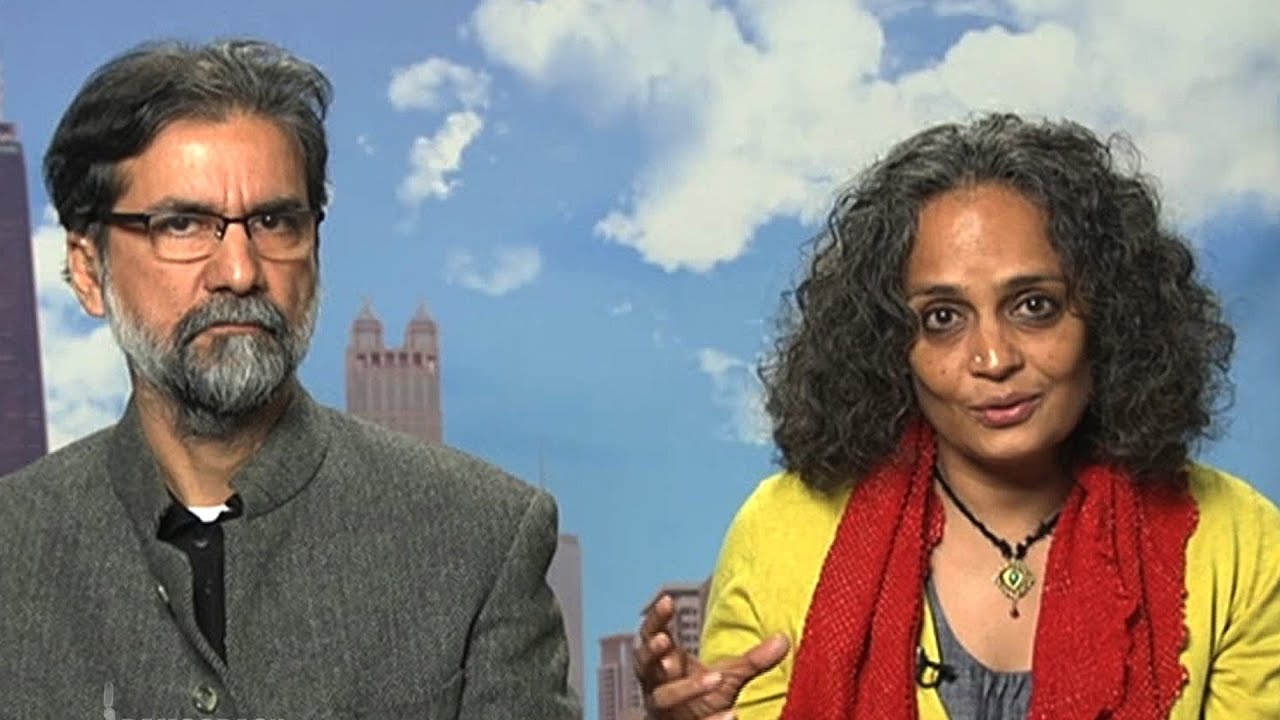
Watch the full interview with Raed Jarrar on Democracy Now! at On the tenth anniversary of the Iraq War, Raed Jarrar, an IraqiAmerican political analyst and communications director at the AmericanArab AntiDiscrimination Committee, discusses how the invasion has fueled Iraq's current ShiiteSunni divide. Jarrar says the war has brought "the complete destruction of the Iraqi national identity. There is no civic identity in Iraq anymore, so people regressed to the other level that they can identify with, and that unfortunately is the sectarian affiliation."
RAED JARRAR: Correct. I mean, I mentioned previously how I'm half-Sunni and half-Shiite. Many Iraqis jokingly now refer to people like myself as "Sushis." And, you know, like, it's like it's getting—our community is getting smaller and smaller, because there are less mixed marriages. Before 2003, I did not know who from my friends were Sunnis or Shiites, and we've never expressed any concerns, we've never heard any stories about this person being a Sunni or a Shiite—and not only from a personal experience. The example that I always give is the 55 deck of cards that was printed by the Pentagon and CIA when they went after the top 55 leaders in Iraq. Thirty-six out of those 55 were Shiites. It's almost the same representation publicly. I mean, not to say that the former Iraqi government was all-inclusive and everyone was happy, but it was a dictatorship that was secular. So people's ethnic and sectarian affiliations were not really a part of that oppression. If you supported the government, you were—you had a good life. And if you opposed it, regardless of your sectarian affiliation, you were destroyed, and your entire family was destroyed.
Unfortunately, these things changed completely now. They changed because of two reasons. The first one is the complete destruction of the Iraqi national identity. There is no—there is no civic identity in Iraq anymore. So people went—they regressed. They went to the other level that they can identify with, and that, unfortunately, was the sectarian affiliation. The second reason is that this is actually the system that was introduced by the United States in 2003. The Governing Council that was created by the U.S. in 2003 marks the first occasion where Iraqis were chosen to run the country based on their sectarian and ethnic affiliations in Iraq's contemporary history. It never happened before the U.S. came.
Read the complete transcript and see more reports about the Iraq War at
Democracy Now!, is an independent global news hour that airs weekdays on 1,100+ TV and radio stations Monday through Friday.
FOLLOW DEMOCRACY NOW! ONLINE:
Twitter: @democracynow
Subscribe on YouTube
Listen on SoundCloud
Daily Email News Digest
Sentinel Indexing in Progress
Metadata and chapters are available. Claim extraction for this episode is pending.
All video content is delivered via YouTube embedded players in accordance with the YouTube Terms of Service. Sentinel provides research tools that promote discovery and accountability across political media.