Amy Goodman
@DemocracyNow·3.2M subscribers·19.4K videos
Rashid Khalidi on Mideast Civil Wars, From U.S.-Fueled Strife in Iraq to the Proxy Battle in Syria
Posted
March 19, 2013
Views
1,601
Likes
20
Comments
3
Engagement
March 19, 2013
1,601
20
3
1.44%
Every word spoken in this episode is indexed. Type any phrase to jump straight to the moment it was said.
Type any word or phrase that may have been spoken. Click a result to seek the player to that exact moment.
Try a name, a topic, or a quoted line
 1:45Now Playing
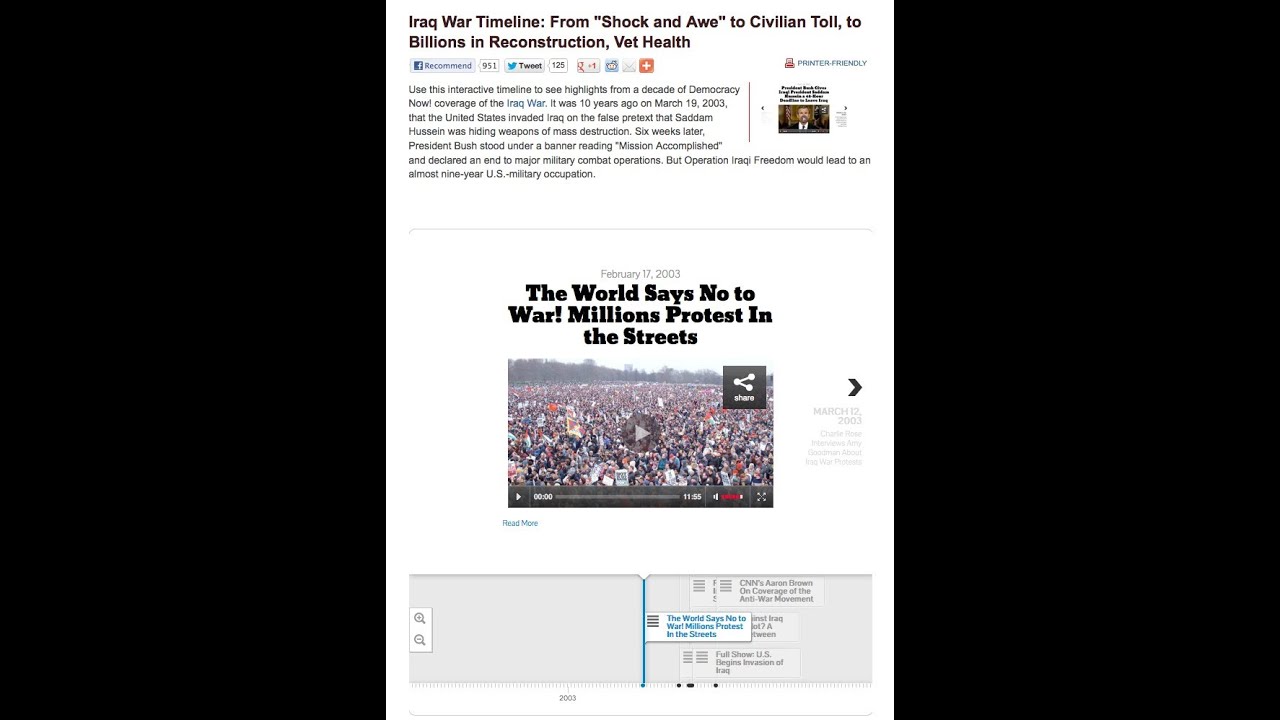
Watch the full interview with Rashid Khalidi on Democracy Now! at Khalidi discusses his thoughts on the tenth anniversary of the Iraq war. After a decade of U.S.fueled sectarian conflict in Iraq and the civil war in Lebanon before it, Khalidi discusses how we're now seeing a third Arab country, Syria, "being destroyed by civil war and external intervention." Rashid Khalidi is the Edward Said Professor of Arab Studies at Columbia University's Department of History and the author of several books, including his latest, "Brokers of DeceitHow the U.S. Has Undermined Peace in the Middle East."
AMY GOODMAN: What are the effects? What have we seen in the Middle East?
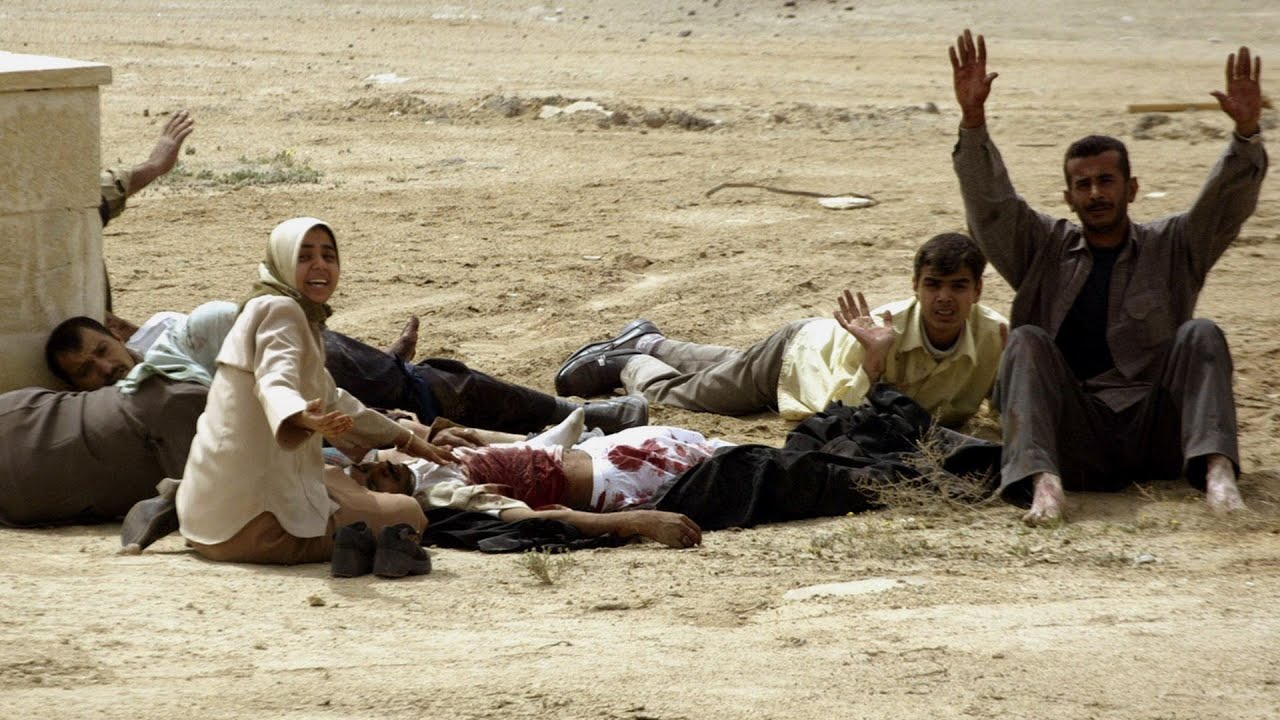
RASHID KHALIDI: Well, I think your reports earlier today did a really good job of talking about the impact on Iraq. The effect on the Middle East has really been quite terrible. Iraq is the second of three Middle Eastern countries that's been devastated by civil war and external intervention. Lebanon was the first. It went through 15 years of hell. Iraq was the second. It has been through 10 years of hell, which are not over. And the sectarian system that was installed—Raed Jarrar is completely right—by the United States, by Paul Bremer, is like injecting more poison into an already bad situation. We have put in a confessional system, I think probably based on that of Lebanon, which produced three civil wars in a hundred-odd years in Lebanon, into Iraq. So, that effect has had all kinds of ripples in the region, increasing an already fraught sectarian situation.
And what we're now seeing in Syria, sadly, is a third Arab country devastated by civil war. This doesn't just mean the terrible human cost. It means destroying infrastructures of government. It means breaking down a rule of law. It means breaking down habits, that have taken literally generations, well back into the Ottoman period, to create, of governance and so forth. You know, you can talk about how bad the Syrian regime was or the Iraqi regime or the Lebanese confessional system, but there were some good things in the structures of government that were completely devastated in Iraq. And that—so, we're now seeing, sadly, a third Arab country, in the case of Syria, destroyed by civil war and external intervention, because, like Iraq and like Lebanon, it's a proxy war. It's not just a civil war.
To read the complete transcript, visit Democracy Now!, is an independent global news hour that airs weekdays on 1,100+ TV and radio stations Monday through Friday.
FOLLOW DEMOCRACY NOW! ONLINE:
Twitter: @democracynow
Subscribe on YouTube
Listen on SoundCloud
Daily Email News Digest
Sentinel Indexing in Progress
Metadata and chapters are available. Claim extraction for this episode is pending.
All video content is delivered via YouTube embedded players in accordance with the YouTube Terms of Service. Sentinel provides research tools that promote discovery and accountability across political media.