Amy Goodman
@DemocracyNow·3.2M subscribers·19.4K videos
Trump's War on Iran Ends with a "Triumphant" Tehran and a Diminished U.S.: Vali Nasr
Posted
June 18, 2026
Views
48,671
Likes
1,281
Comments
231
Engagement
June 18, 2026
48,671
1,281
231
3.11%
Every word spoken in this episode is indexed. Type any phrase to jump straight to the moment it was said.
Type any word or phrase that may have been spoken. Click a result to seek the player to that exact moment.
Try a name, a topic, or a quoted line
 13:16Now Playing
Support our work
The United States and Iran have officially signed a memorandum of understanding aimed at ending the war in Iran. The 14-point agreement includes an immediate end to fighting on all fronts including Lebanon, an end to the U.S. naval blockade on Iran and the full resumption of maritime traffic through the Strait of Hormuz. It also proposes easing oil sanctions on Iran, unfreezing Iranian assets and launching a $300 billion investment fund to rebuild Iran, all while tabling the question of Iran’s nuclear program, which is instead set to be negotiated over in the coming months.
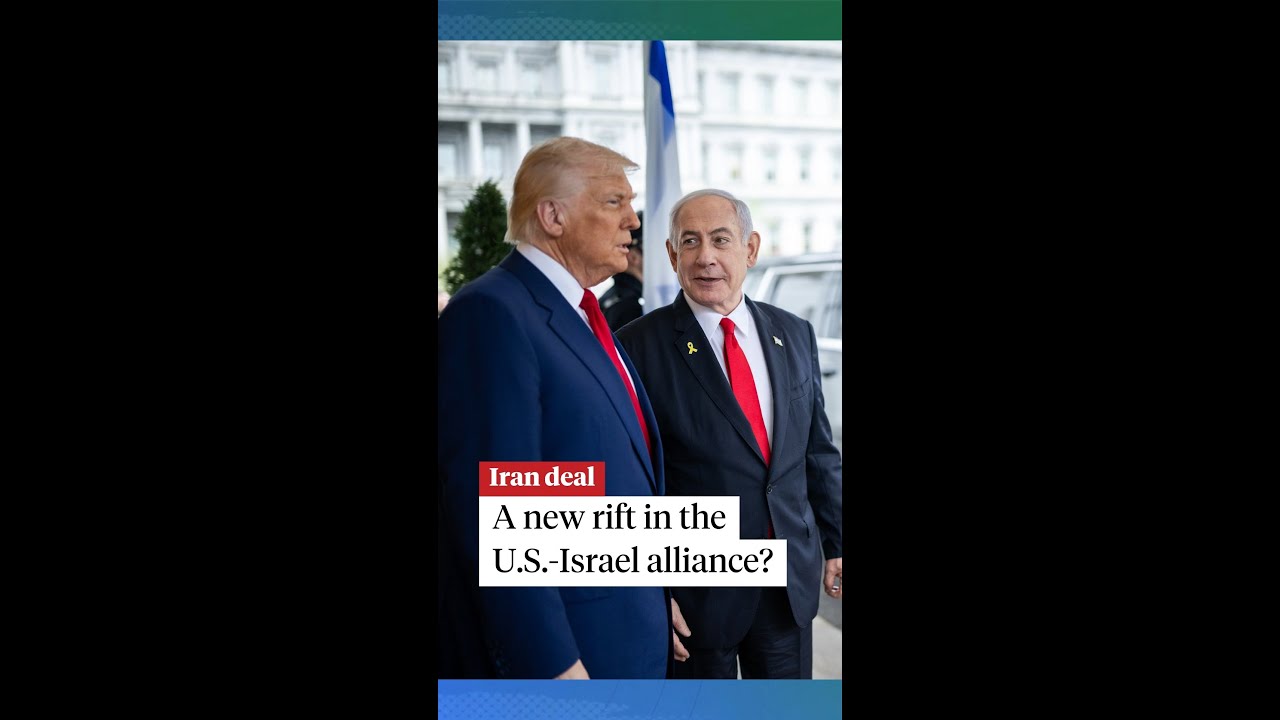
“The United States is more eager for this war to end than Iran is,” says professor Vali Nasr, who teaches at the Johns Hopkins School of Advanced International Studies. “In Iran, they’re very triumphant.” We discuss the long-term effects of the war, from the growing U.S. distrust of Israel, to the new generation of political leaders in the Islamic Republic, to the evolution of Iran into a major power player in an increasingly multipolar world.
Subscribe to our Daily Email Digest
Sentinel Indexing in Progress
Metadata and chapters are available. Claim extraction for this episode is pending.
All video content is delivered via YouTube embedded players in accordance with the YouTube Terms of Service. Sentinel provides research tools that promote discovery and accountability across political media.