Amy Goodman
@DemocracyNow·3.2M subscribers·19.4K videos
U.S.-Iran War Upends Middle East Balance of Power
Posted
June 22, 2026
Views
66,579
Likes
1,952
Comments
260
Engagement
3.32%
June 22, 2026
66,579
1,952
260
3.32%
Every word spoken in this episode is indexed. Type any phrase to jump straight to the moment it was said.
Type any word or phrase that may have been spoken. Click a result to seek the player to that exact moment.
Try a name, a topic, or a quoted line
 21:22Now Playing
Support our work
Mediators from Pakistan and Qatar say the United States and Iran made "encouraging progress" during 18 hours of negotiations in Switzerland, where the two sides agreed to a roadmap toward reaching a final deal within 60 days. The talks took place despite Iran on Saturday announcing it was closing the Strait of Hormuz after Israel killed 83 people in Lebanon on Friday. Israel said it would agree to a new ceasefire in Lebanon but is also refusing to end its occupation of southern Lebanon.
"Iran has, through its throttling of the Strait of Hormuz, enormous leverage to produce pain on not just the United States, but global markets," says award-winning journalist Spencer Ackerman. "We're going to await how the Iranians will ultimately play that card when it comes to Lebanon."
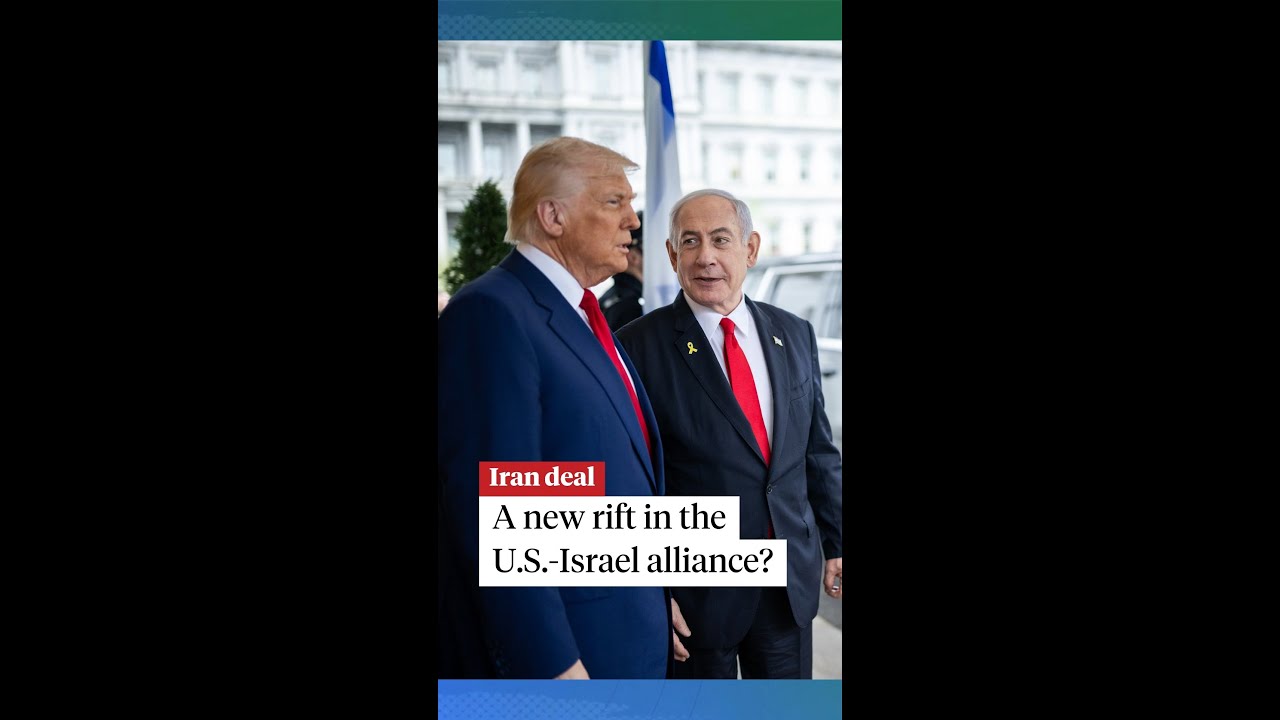
Behrooz Ghamari-Tabrizi, fellow at the Center for Place, Culture and Politics at the CUNY Graduate Center, says that by demanding the ceasefire extend to Lebanon, "the Islamic Republic focused on creating a rift between Israel and the U.S., and I think, possibly, along with the successes in the war front politically, that was one of the most successful projects that they followed."
Democracy Now! is an independent global news hour that airs on over 1,500 TV and radio stations Monday through Friday. Watch our livestream at democracynow.org Mondays to Fridays 8-9 a.m. ET.
Subscribe to our Daily Email Digest
Sentinel Indexing in Progress
Metadata and chapters are available. Claim extraction for this episode is pending.
All video content is delivered via YouTube embedded players in accordance with the YouTube Terms of Service. Sentinel provides research tools that promote discovery and accountability across political media.