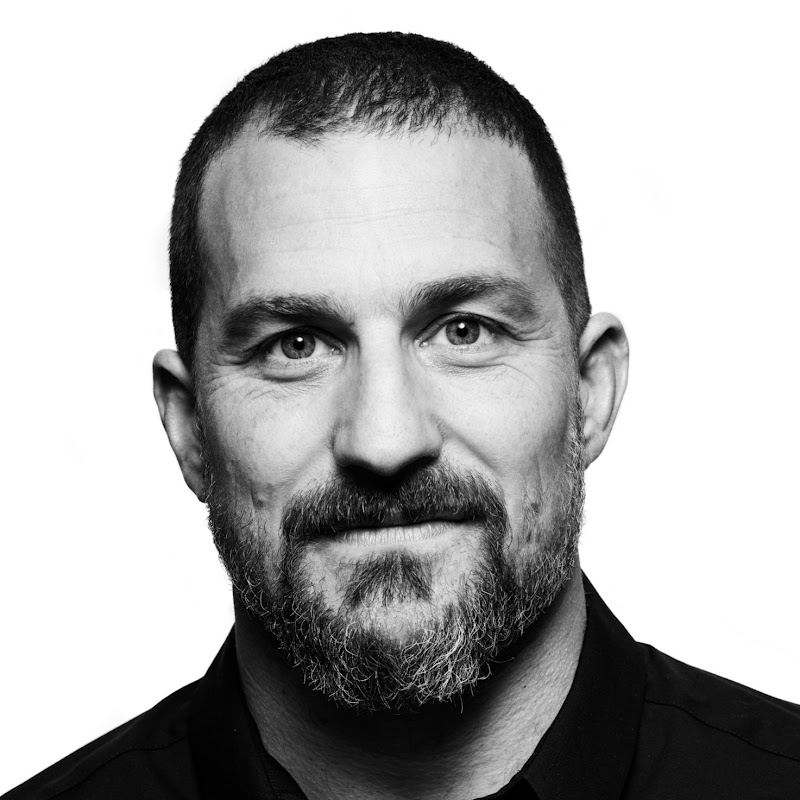
Andrew Huberman
@hubermanlab·7.5M subscribers·510 videos
The Science & Treatment of Bipolar Disorder
Posted
July 25, 2022
Views
1,299,791
Likes
26,959
Comments
3,509
Engagement
2.34%
July 25, 2022
1,299,791
26,959
3,509
2.34%
Every word spoken in this episode is indexed. Type any phrase to jump straight to the moment it was said.
Type any word or phrase that may have been spoken. Click a result to seek the player to that exact moment.
Try a name, a topic, or a quoted line
In this episode, I explain the biology, symptoms, causes and types of bipolar disorder (sometimes called bipolar depression). I discuss neuroplasticity and how the brain normally regulates mood, energy, and perceptions; then, I contrast that with the biology of bipolar disorder, which is characterized by extremes of energy and mood, e.g., mania and depression. I outline the mechanisms through which bipolar disorder manifests in the brain, including deficits of interoception and reduced connections between the parietal and limbic systems. I also outline how treatment options (such as lithium) work in part through homeostatic plasticity.’ I discuss not only lithium but also the treatment of bipolar with ketamine, different talk therapies, electroconvulsive therapy, transcranial magnetic stimulation, and nutraceuticals, including Omega-3 and Inositol supplementation. This episode should interest anyone who has or knows someone with bipolar disorder and, more broadly, those interested in how the brain works to create a balance between thoughts, energy levels, focus, and mood.
#HubermanLab #Bipolar #BipolarDisorder
Thank you to our sponsors
InsideTracker
Supplements from Momentous
Social & Website
Subscribe to the Huberman Lab Podcast
Apple Podcasts
Google Podcasts
Other platforms
Full show notes & links to peerreviewed articles
Timestamps
The Huberman Lab Podcast is for general informational purposes only and does not constitute the practice of medicine, nursing or other professional health care services, including the giving of medical advice, and no doctor/patient relationship is formed. The use of information on this podcast or materials linked from this podcast is at the user’s own risk. The content of this podcast is not intended to be a substitute for professional medical advice, diagnosis, or treatment. Users should not disregard or delay in obtaining medical advice for any medical condition they may have and should seek the assistance of their health care professionals for any such conditions.
Title Card Photo CreditMike Blabac
Sentinel Indexing in Progress
Metadata and chapters are available. Claim extraction for this episode is pending.
All video content is delivered via YouTube embedded players in accordance with the YouTube Terms of Service. Sentinel provides research tools that promote discovery and accountability across political media.