Archived Nasa Climate Change
@nasaclimatechange·31.2K subscribers·311 videos
Earth Expeditions: Inside NASA’s Flying Air Quality Lab (360° video)
Posted
May 5, 2016
Views
4,952
Likes
53
Comments
1
Engagement
May 5, 2016
4,952
53
1
1.09%
Every word spoken in this episode is indexed. Type any phrase to jump straight to the moment it was said.
Type any word or phrase that may have been spoken. Click a result to seek the player to that exact moment.
Try a name, a topic, or a quoted line
 2:38Now Playing
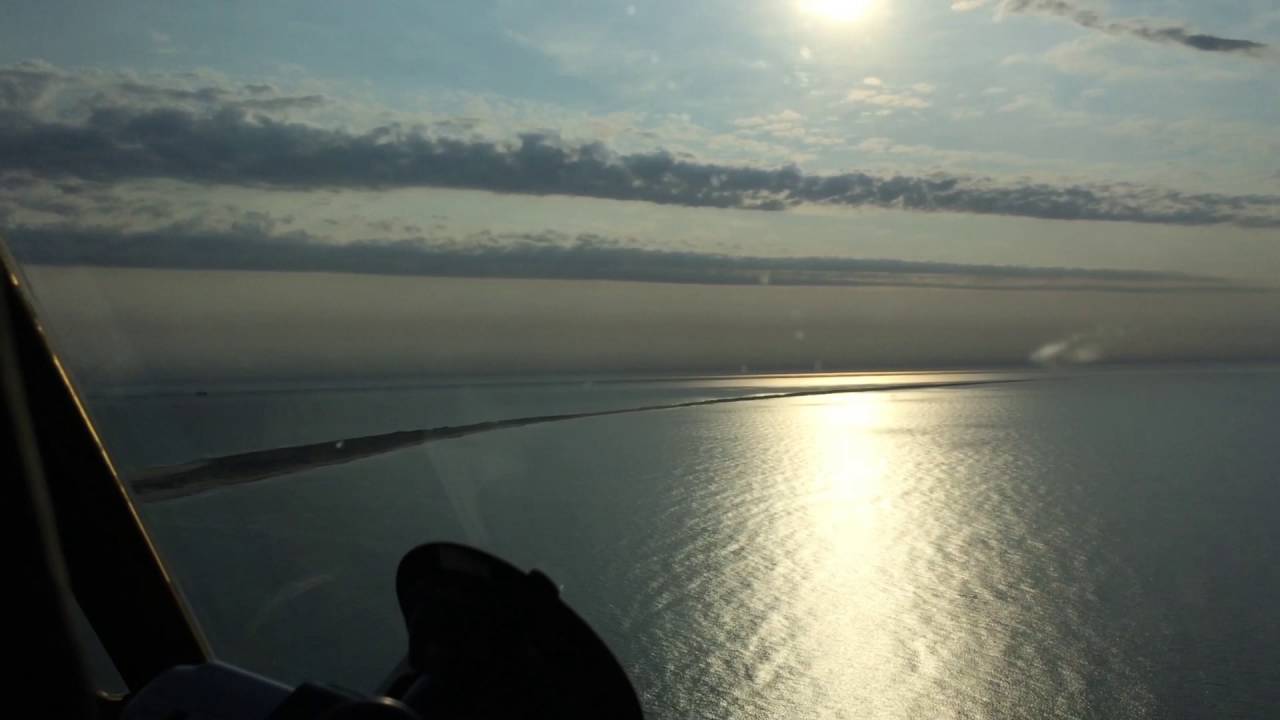
It’s Monday, May 2, 2016. You’re flying over South Korea on a mission: to dissect the atmosphere and analyze the gases and particles that make up air pollution. You are inside a new field experiment being conducted by NASA and the Republic of Korea called KORUS-AQ: Korea U.S.-Air Quality.
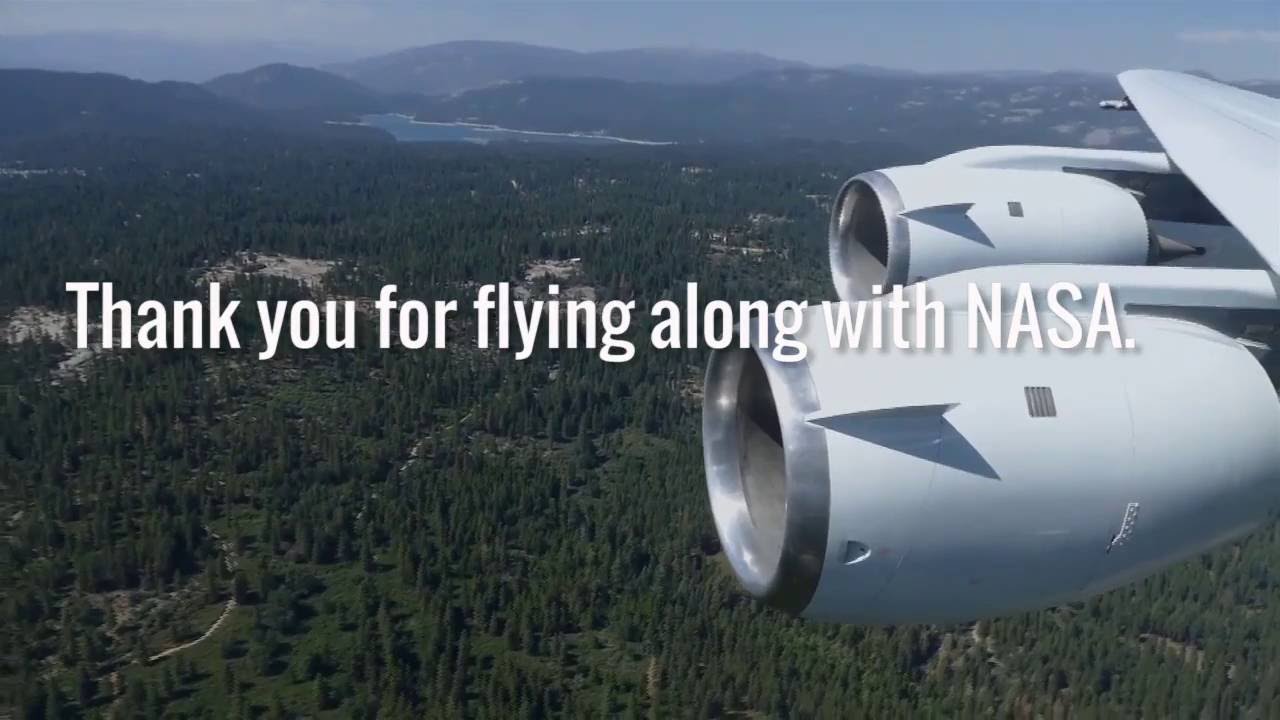
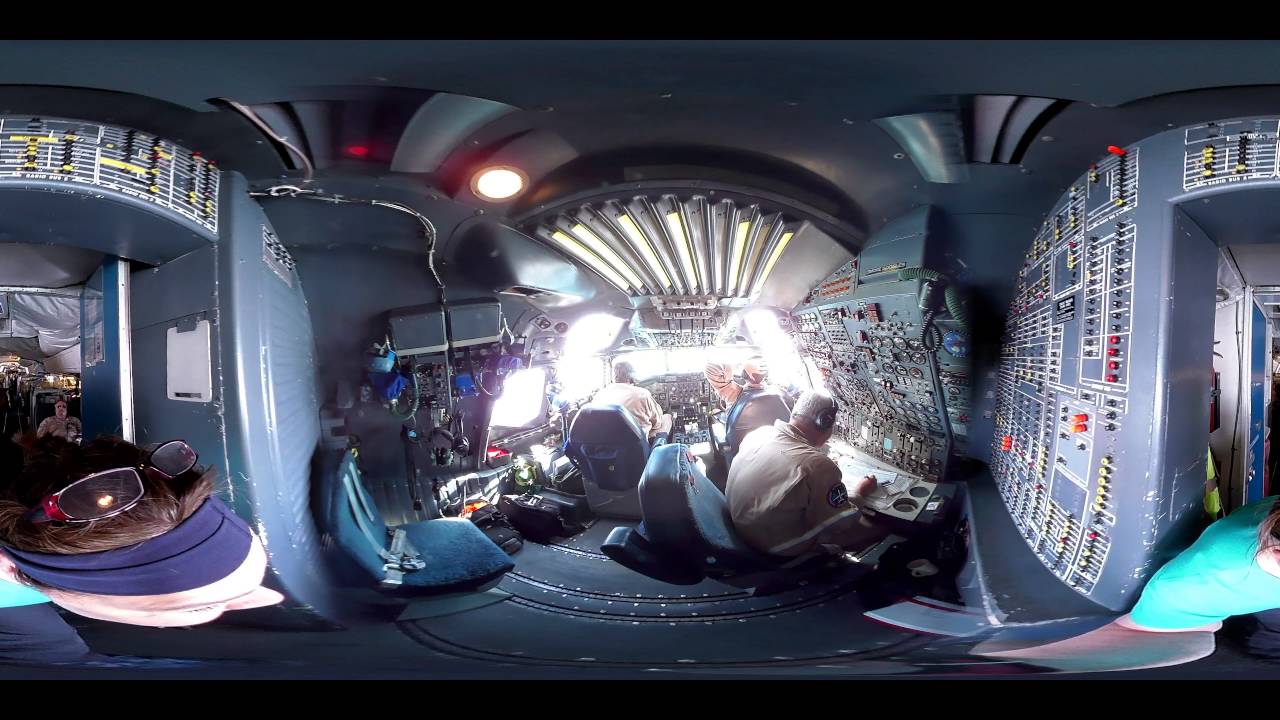
NASA’s versatile DC-8 flying laboratory has been fitted out with an array of complex science instruments to collect data that will help advance the ability to monitor air pollution from space. Findings from KORUS-AQ will help scientists develop a new international atmospheric observing system to provide improved air quality assessments.
Take a walk through the DC-8 during its first KORUS-AQ science flight as technicians and scientists work their instruments and watch the air quality data streaming in. Some of the instruments analyze the air by pulling it in from the outside. Others measure the air outside the plane with remote-sensing instruments.
The Korean Peninsula and the nearby oceans offer a robust natural laboratory for air quality scientists with a mix of sources including the megacity of Seoul, pollution blown across borders, seasonal fires and desert dust. KORUSAQ flights continue through early June. For more reports on the experiment, visit
Sentinel Indexing in Progress
Metadata and chapters are available. Claim extraction for this episode is pending.
All video content is delivered via YouTube embedded players in accordance with the YouTube Terms of Service. Sentinel provides research tools that promote discovery and accountability across political media.