Archived Nasa Climate Change
@nasaclimatechange·31.2K subscribers·311 videos
Human Influence on Global Droughts Goes Back 100 Years
Posted
May 3, 2019
Views
4,666
Likes
39
Comments
3
Engagement
May 3, 2019
4,666
39
3
0.90%
Every word spoken in this episode is indexed. Type any phrase to jump straight to the moment it was said.
Type any word or phrase that may have been spoken. Click a result to seek the player to that exact moment.
Try a name, a topic, or a quoted line
 1:24Now Playing
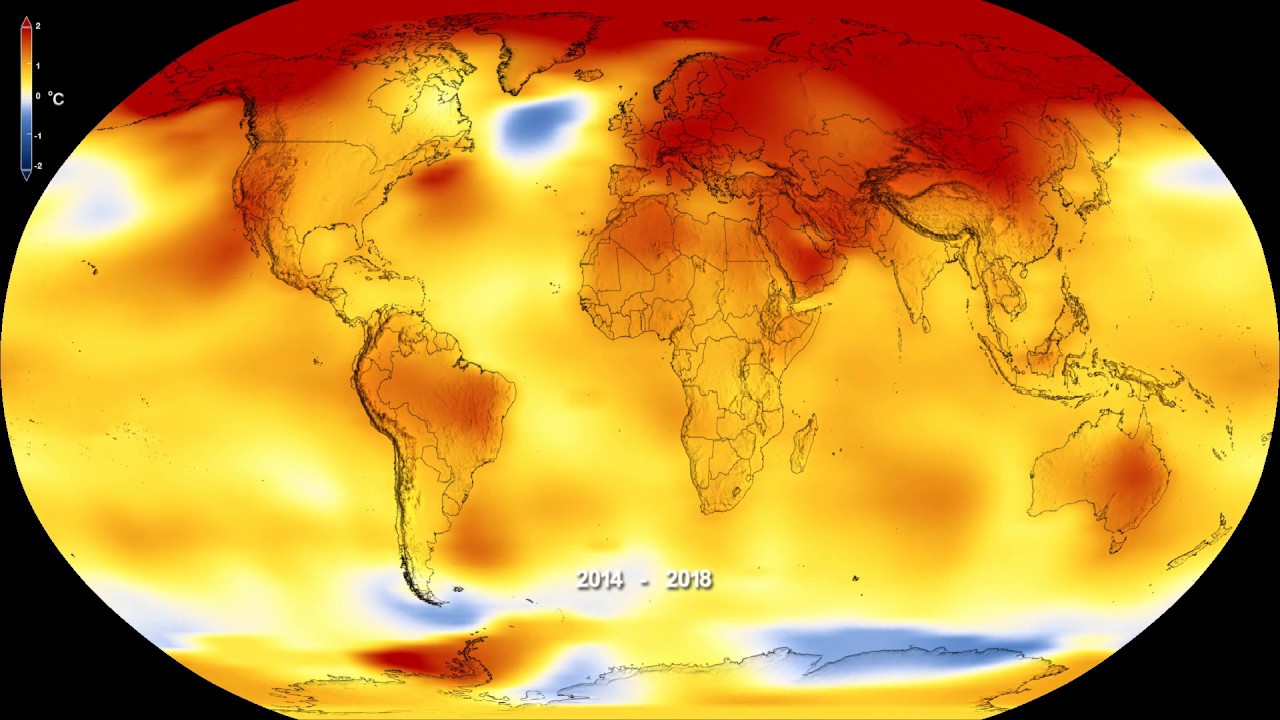
Human-generated greenhouse gases and atmospheric particles were affecting global drought risk as far back as the early 20th century, according to a study from NASA’s Goddard Institute for Space Studies (GISS) in New York City.
The study, published in the journal Nature, compared predicted and real-world soil moisture data to look for human influences on global drought patterns in the 20th century. Climate models predict that a human “fingerprint” – a global pattern of regional drying and wetting characteristic of the climate response to greenhouse gases – should be visible early in the 1900’s and increase over time as emissions increased. Using observational data such as precipitation and historical data reconstructed from tree rings, the researchers found that the real-world data began to align with the fingerprint within the first half of the 20th century.
The team said the study is the first to provide historical evidence connecting human-generated emissions and drought at near-global scales, lending credibility to forward-looking models that predict such a connection. According to the new research, the fingerprint is likely to grow stronger over the next few decades, potentially leading to severe human consequences.
Download video
Sentinel Indexing in Progress
Metadata and chapters are available. Claim extraction for this episode is pending.
All video content is delivered via YouTube embedded players in accordance with the YouTube Terms of Service. Sentinel provides research tools that promote discovery and accountability across political media.