Based Camp with Simone Malcolm Collins
@simoneandmalcolm·73.7K subscribers·1K videos
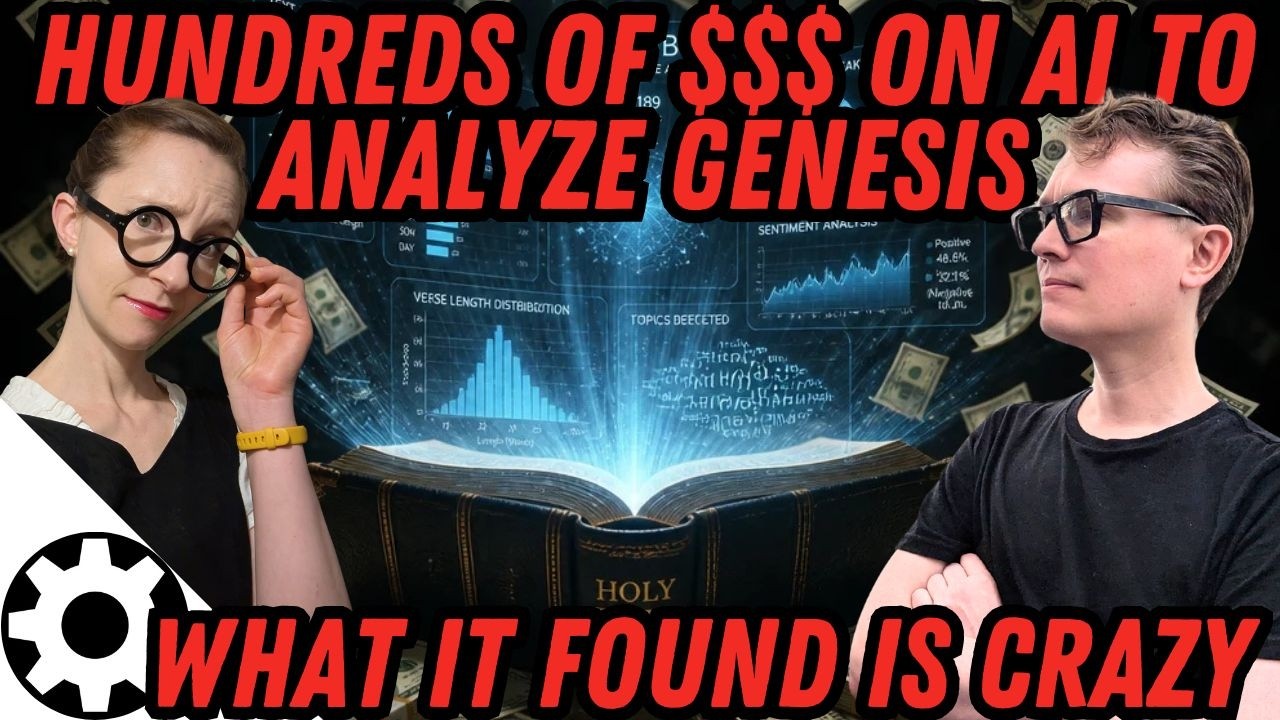
Does Genesis Argue NPCs Are Real? (Do Pre-Adamites Still Exist?)
Posted
August 10, 2026
Views
13,667
Likes
914
Comments
825
August 10, 2026
13,667
914
825
12.72%
Every word spoken in this episode is indexed. Type any phrase to jump straight to the moment it was said.
Type any word or phrase that may have been spoken. Click a result to seek the player to that exact moment.
Try a name, a topic, or a quoted line
 1:33:54Now Playing
In this Based Camp Tract, Malcolm and Simone Collins tackle one of their most provocative religious questions: What does it actually mean to be “human” in God’s view?
They dig into classic Genesis puzzles—Cain’s fear of being killed, the sudden appearance of his wife, the city of Enoch, and the strange language of Romans 5:12-14—and argue that the Bible may not treat every Homo sapiens as a full moral agent. Drawing on a techno-puritan reading, they place the Adam and Eve story at the dawn of moral accountability and civilization roughly 10,000 years ago near the Tigris-Euphrates, link it to the sudden explosion of human development, and explore what this means for death, the Tree of Life, pre-Adamite populations, and the difference between biological humans and those God holds accountable.
Along the way they examine traditional explanations (incest, rapid population growth, pure allegory), Isaac La Peyrère’s pre-Adamite theory, Genesis 1 vs. Genesis 2, early urban death rituals, God’s treatment of groups like the Egyptians and Canaanites, and modern implications—including NPCs, civilizational decline, and fertility collapse as a kinder “second flood.”
A spicy, wide-ranging conversation about moral agency, civilization, and what the Bible might be saying about who counts as fully human.
Thematic Timestamps
Sentinel Indexing in Progress
Metadata and chapters are available. Claim extraction for this episode is pending.
All video content is delivered via YouTube embedded players in accordance with the YouTube Terms of Service. Sentinel provides research tools that promote discovery and accountability across political media.