Big Think
@bigthink·8.8M subscribers·10.1K videos
An Infant's Love Lessons |Alison Gopnik | Big Think
Posted
April 24, 2012
Views
259
Likes
3
Engagement
1.16%
April 24, 2012
259
3
1.16%
Every word spoken in this episode is indexed. Type any phrase to jump straight to the moment it was said.
Type any word or phrase that may have been spoken. Click a result to seek the player to that exact moment.
Try a name, a topic, or a quoted line
Episode Timeline
Every episode in order around the one you’re watching — click any card and the page flips straight to it.
 7:51Now Playing
An Infant's Love Lessons
New videos DAILY
Join Big Think Edge for exclusive videos
----------------------------------------------------------------------------------
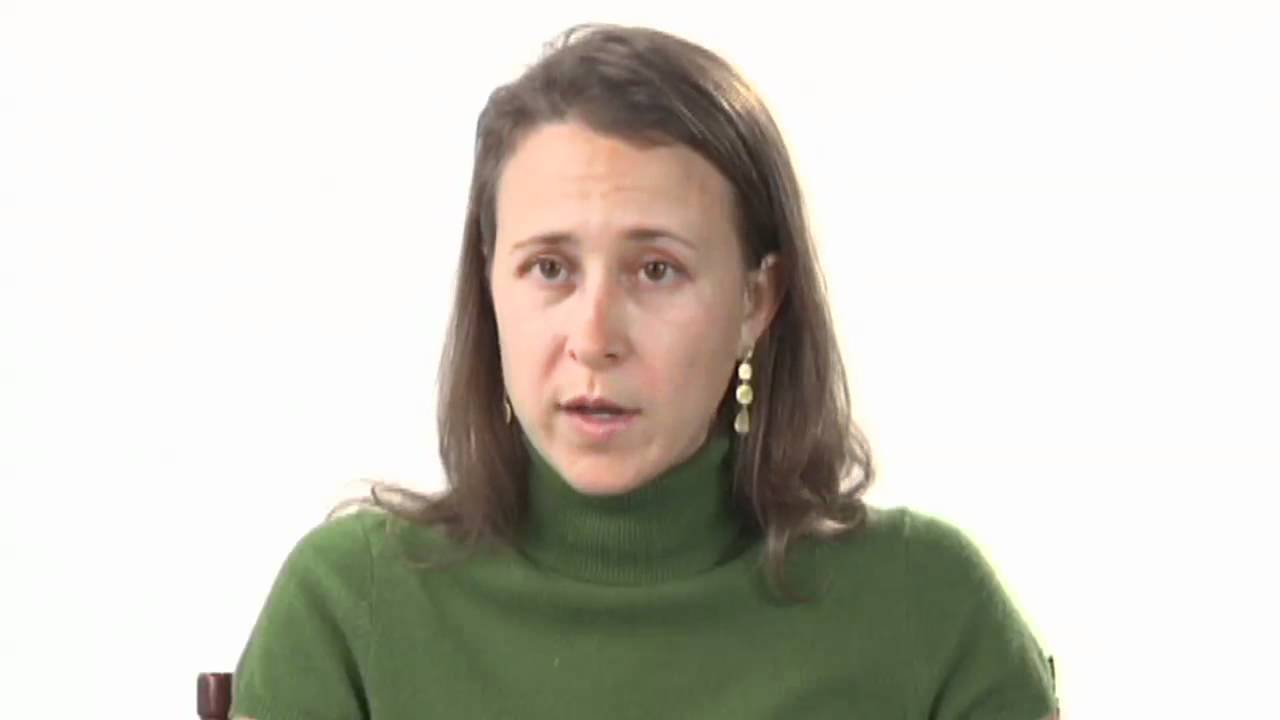
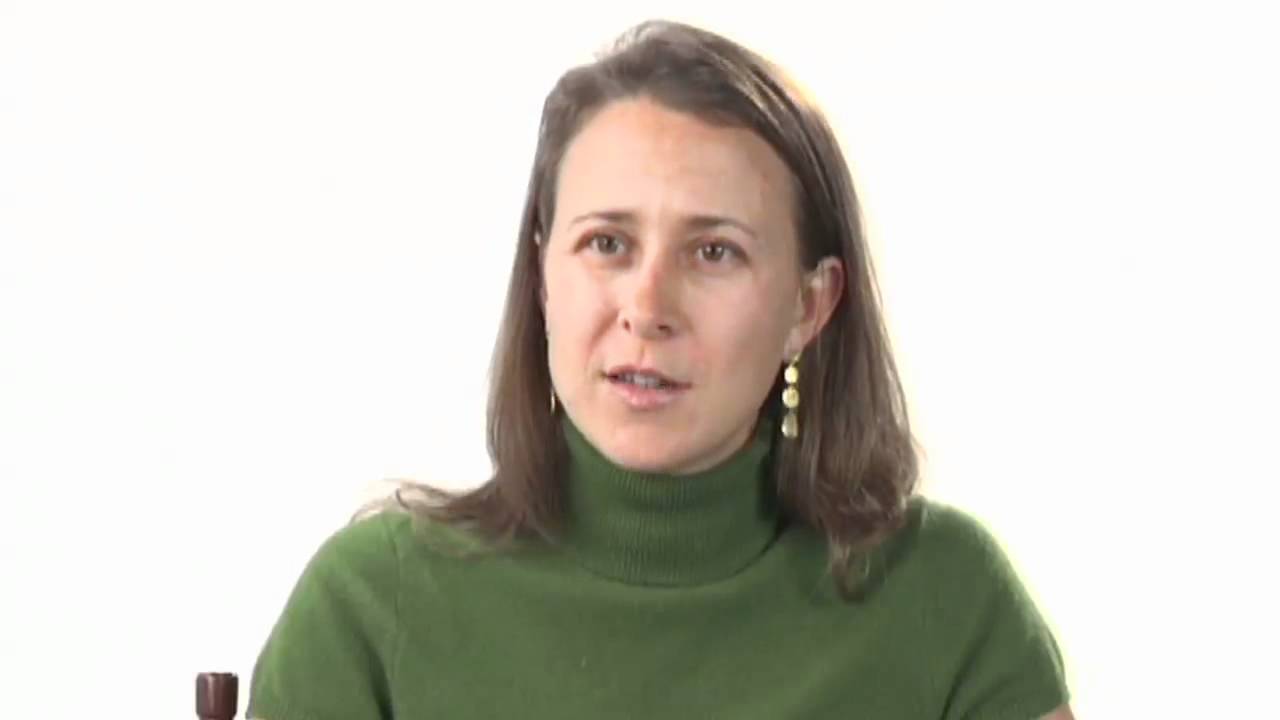
Developmental Psychologist Alison Gopnik makes the case that babies are at the core of what human love is all about, and explains how the lives of animals prove it.
----------------------------------------------------------------------------------
Alison Gopnik:
Alison Gopnik is a professor of psychology and affiliate professor of philosophy at the University of California at Berkeley. She received her BA from McGill University and her PhD. from Oxford University. She is an internationally recognized leader in the study of children’s learning and development and was the first to argue that children’s minds could help us understand deep philosophical questions. She is a columnist (every other week) for The Wall Street Journal. She is the author of over 100 journal articles and several books including “Words, thoughts and theories” (coauthored with Andrew Meltzoff), MIT Press, 1997, and the bestselling and critically acclaimed popular books The Scientist in the Crib (coauthored with Andrew Meltzoff and Patricia Kuhl) William Morrow, 1999, and The Philosophical Baby: What children’s minds tell us about love, truth and the meaning of life, Farrar, Strauss and Giroux, 2009. She has also written widely about cognitive science and psychology for Science, The Times Literary Supplement, The New York Review of Books, The New York Times, New Scientist and Slate, among others. And she has frequently appeared on TV and radio including “The Charlie Rose Show” and “The Colbert Report." She has three sons and lives in Berkeley, California with her husband Alvy Ray Smith.
----------------------------------------------------------------------------------
TRANSCRIPT:
Question: How can babies teach us about love?
Alison Gopnik: Well I think it's arguable that babies are literally at the core of what human love is all about, in two respects. We have some good evidence that the very fact that human being parabond [is] actually very unusual. So if you look at a primates, for example, even our closest relatives like chimpanzees—chimpanzees don't have the kind of male/female parabonds that we do. They have a lot of social allegiances and alliances and they have sex but they don't have what's ethologists call social monogamy. Social monogamy—here's the bad news. The bad news is social monogamy is never sexual monogamy, even swans when you do DNA analysis it turns out that all animals have sex outside of their parabonds. So for you young people out there, that's the bad news.
But the good news is that in spite of that we have parabonds. We have close relationships between the people who are having sex and having children. That's actually sort of unusual among primates, although it's quite common among birds and it's common among other animals. That seems to be associated with the fact that we have this extended period of immaturity. So their story seems to be the more invest there is in babies, the more work it takes to raise the babies, the more likely you are to have parabonding, which kind of makes sense. So parabonding is really a technique for getting lots of people involved in caregiving.
Our babies are like penguins; penguin babies can't exist unless more than one person is taking care of them. They just can't keep going. So it's kind of interesting, I think, in our case, we evolved to one of the most important evolutionary changes that led to our advanced intelligence and our creativity and tool use and all the rest of it is having this extended period of immaturity. But the extended period of immaturity depends on techniques that will let [parents] have a lot of investment in babies. So the very fact that we have a love between partners, romantic love, I think is kind of an epiphenomenon of this more basic thing, which is the love we have as caregivers—the investment that we place in our babies. And if you think about that, that kind of love, the love between caregivers and babies [is] much less written about than romantic love. It's a really extraordinary thing.
I say imagine that you had a novel where a woman found someone on the street who couldn't stand and couldn't wash and couldn't take care of himself and the second that she saw him she felt totally and completely utterly in love with him and then she dedicated her life to him for the next 15 years and did everything.
Read the full transcript at
Sentinel Indexing in Progress
Metadata and chapters are available. Claim extraction for this episode is pending.
All video content is delivered via YouTube embedded players in accordance with the YouTube Terms of Service. Sentinel provides research tools that promote discovery and accountability across political media.