Big Think
@bigthink·8.8M subscribers·10.1K videos
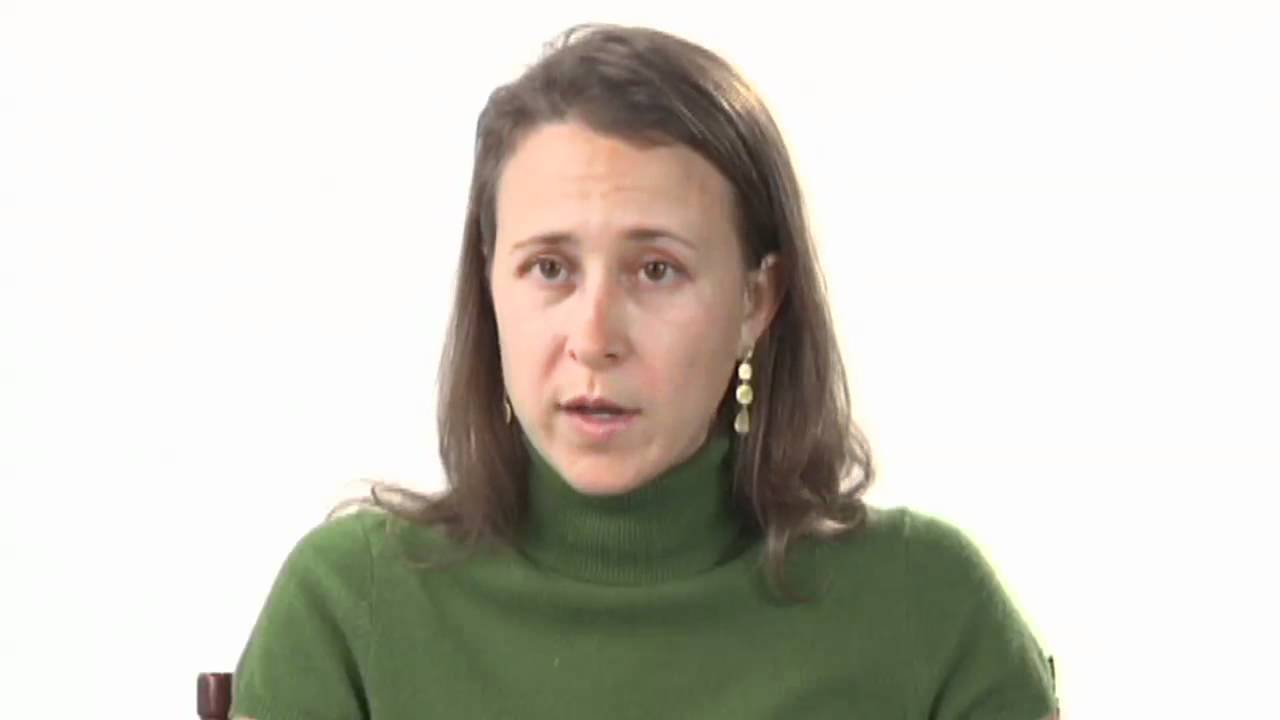
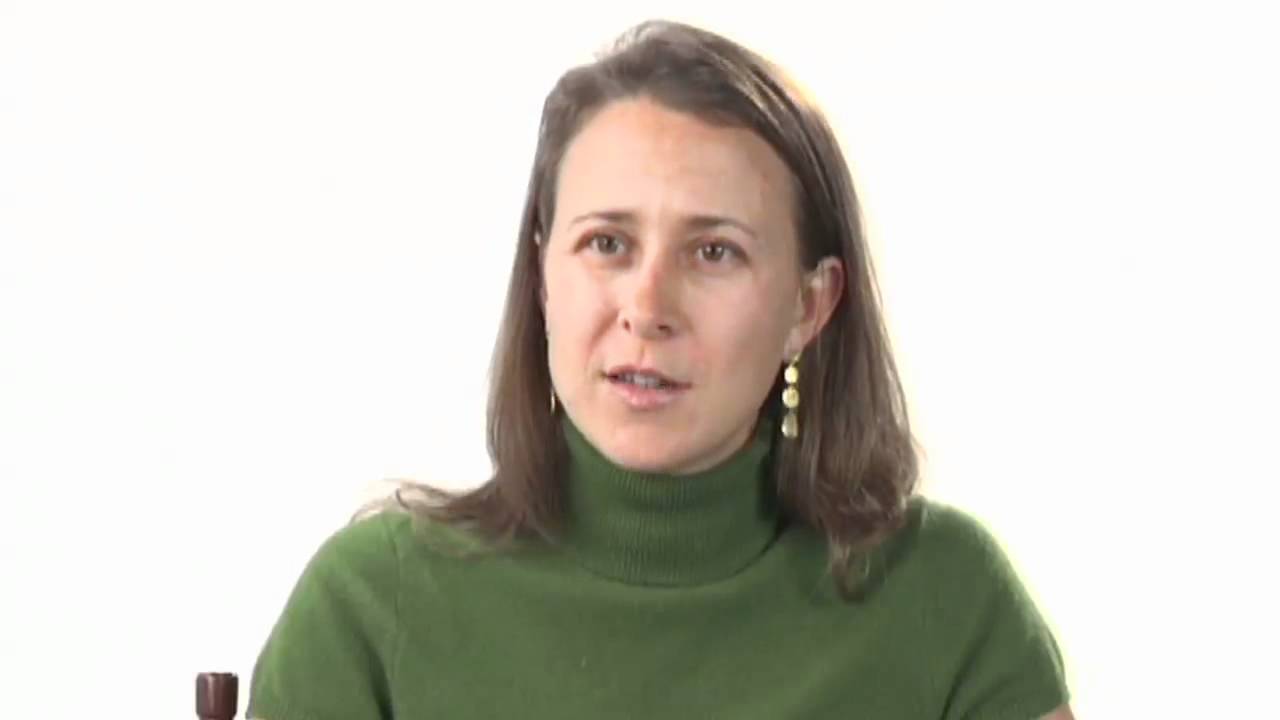
The Iranian Revolution of 1979, Viewed from Los Angeles | Reza Aslan | Big Think
Posted
April 24, 2012
Views
1,295
Likes
11
Comments
2
Engagement
1.00%
April 24, 2012
1,295
11
2
1.00%
Every word spoken in this episode is indexed. Type any phrase to jump straight to the moment it was said.
Type any word or phrase that may have been spoken. Click a result to seek the player to that exact moment.
Try a name, a topic, or a quoted line
Episode Timeline
Every episode in order around the one you’re watching — click any card and the page flips straight to it.
 4:44Now Playing
The Iranian Revolution of 1979, Viewed from Los Angeles
New videos DAILY
Join Big Think Edge for exclusive videos
----------------------------------------------------------------------------------
In Iran everyone united for the common good of getting rid of the Shah. In America two groups were formed, the rich conservatives and the middle class leftists.
----------------------------------------------------------------------------------
Reza Aslan:
Reza Aslan is an internationally renowned writer, commentator, professor, producer, and scholar of religions. His books, including his #1 New York Times Bestseller, Zealot: The Life and Times of Jesus of Nazareth, have been translated into dozens of languages around the world. He is also a recipient of the prestigious James Joyce Award. His newest book God: A Human History (2017) is out now.
Aslan’s first book, International Bestseller No god but God: The Origins, Evolution, and Future of Islam, has been translated into seventeen languages, and was named one of the 100 most important books of the last decade by Blackwell Publishers. He is also the author of Beyond Fundamentalism: Confronting Religious Extremism in a Globalized Age (originally titled How to Win a Cosmic War), as well as editor of two volumes: Tablet and Pen: Literary Landscapes from the Modern Middle East, and Muslims and Jews in America: Commonalties, Contentions, and Complexities.
In 2006, Aslan co-founded BoomGen Studios—the premiere entertainment brand for creative content from and about the Middle East—which has provided an array of targeted services ranging from strategic messaging to grassroots marketing to publicity and social media outreach, to producers, studios, and filmmakers—including Jon Stewart’s Rosewater, Netflix’s The Square, Disney’s Aladdin on Broadway and Prince of Persia: The Sands of Time, The Weinstein Company’s Miral, Discovery and TLC’s All American Muslim, and National Geographic’s Amreeka.
Aslan’s degrees include a Bachelor of Arts in Religious Studies from Santa Clara University (Major focus: New Testament; Minor: Greek), a Master of Theological Studies from Harvard University (Major focus: History of Religions), a PhD in the Sociology of Religions from the University of California, Santa Barbara, and a Master of Fine Arts from the University of Iowa, where he was named the Truman Capote Fellow in Fiction.
Aslan is a tenured Professor of Creative Writing at the University of California, Riverside and serves on the board of trustees for the Chicago Theological Seminary and The Yale Humanist Community, which supports atheists, agnostics, and humanists at home and abroad.
----------------------------------------------------------------------------------
TRANSCRIPT:
Reza Aslan: The Iranians who came to the United States in ’79 – those who sort of fled the revolution – came in two waves. The first wave were primarily the very wealthy Iranians. The aristocracy, the monarchists . . . those who were in one way or another affiliated with the regime of Mohammad Shah Pahlavi and so in many ways were given advanced warning of what was to come. So they got out. And they also managed to get out mostly with all of their fortunes intact with their Swiss bank accounts; and set up not in Northern California, but primarily in Southern California, and Los Angeles, or in an area around Brentwood and Westwood that is often referred to as Tehrangeles. They have kind of created a very insulated community. They are enormously wealthy. Very, very conservative with regard to their politics, and incredibly hard-lined when dealing with the Islamic Republic of Iran. Very much like the Cuban community in Florida, though much, much richer. We did not belong to that community. We were part of the Northern California Iranian community which was a different community. They got out a little bit later. They were primarily middle class. A lot of the intelligencia. So it was a much more educated, much less well-off, and much more politically left-leaning group than the Los Angeles community. So that’s the kind of community that I grew up in. A community that was certainly bitter and angry towards the muhlas who were ruling Iran at the time; but who nevertheless were, I think, a little bit more open in their political ideologies and were far less isolated than the Iranian community in Los Angeles. Now after living in the Bay area for something like 20 years, I now lived in Los Angeles. So now I get to see the other side of the coin in many ways.
Read the full transcript at
Sentinel Indexing in Progress
Metadata and chapters are available. Claim extraction for this episode is pending.
All video content is delivered via YouTube embedded players in accordance with the YouTube Terms of Service. Sentinel provides research tools that promote discovery and accountability across political media.