Big Think
@bigthink·8.8M subscribers·10.1K videos
Big Think Interview With Geoff Wardle | Big Think
Posted
April 24, 2012
Views
192
Likes
2
Engagement
1.04%
April 24, 2012
192
2
1.04%
Every word spoken in this episode is indexed. Type any phrase to jump straight to the moment it was said.
Type any word or phrase that may have been spoken. Click a result to seek the player to that exact moment.
Try a name, a topic, or a quoted line
 35:22Now Playing
Big Think Interview With Geoff Wardle
New videos DAILY
Join Big Think Edge for exclusive videos
----------------------------------------------------------------------------------
A Conversation With the Director, Advanced Mobility Research, Art Center College of Design.
----------------------------------------------------------------------------------
Geoff Wardle:
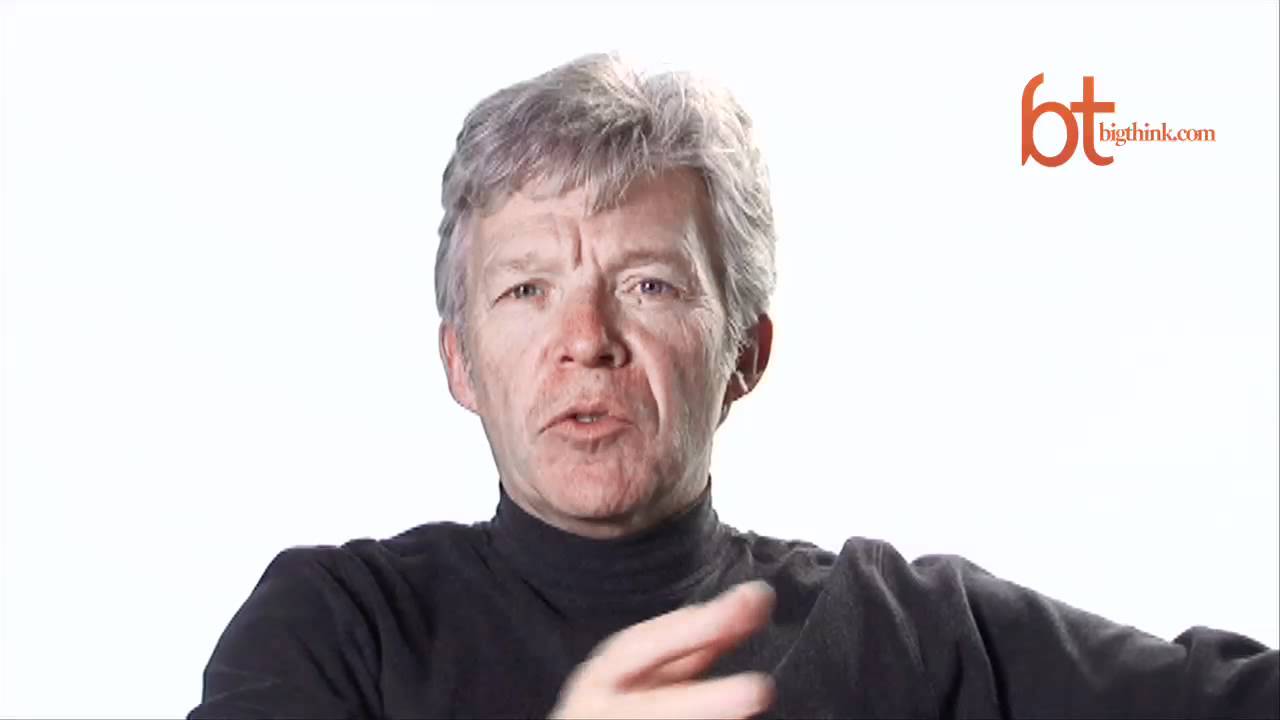
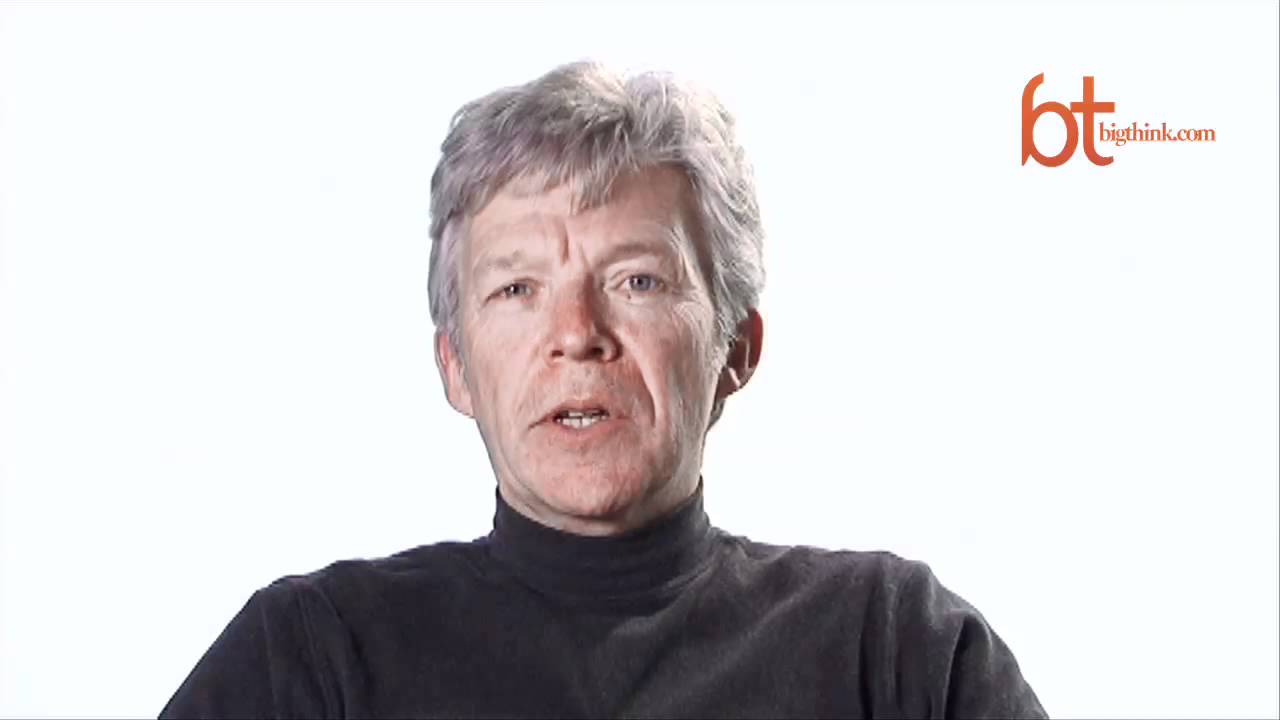
Geoff Wardle is Director of Advanced Mobility Research at Art Center College of Design in Pasadena, California. Educated first as a vehicle engineer and then as an automotive designer at the Royal College of Art in London, Geoff has had extensive experience as a professional vehicle designer across four continents and remains a passionate car enthusiast. However, because of his career in the automotive industry, Geoff became increasingly concerned about the future sustainability of this industry, personal mobility and transportation in general. With more than a decade of full-time involvement with Art Center’s Transportation Design department, in California and in Europe, Wardle has been a continual advocate for transportation designers becoming far more concerned and involved with the many other disciplines that make up mobility in its entirety, particularly in the urban environment.
----------------------------------------------------------------------------------
TRANSCRIPT:
Question: Why are you optimistic about the future of design and sustainable mobility?
Geoff Wardle: There’s so much to be done. If you assume, as I do, that the entire spectrum of transportation, road transportation, rail, and air, shipping is unsustainable, then we’ve got a huge amount of work to do to make it sustainable. And design has to play an extremely important role in that. So that’s why I’m very optimistic that if designers want it, there’s more work than they will know what to do with to help solve this problem.
Question: What are the main challenges that designers must face right now?
Geoff Wardle: Probably the most important one is for designers to be listened to as contributors to solving bigger problems than just designing products or services. And the challenges involved with that means that designers need to understand a lot more about the larger context of the world that they’re designing in.
Question: Where is the bottleneck in transportation advances coming from?
Geoff Wardle: I think there are a variety of bottlenecks. And of course, one has to consider that pretty well all of our transportation systems now, whether it’s the automobile, whether it’s trains, shipping, the truck industry, aviation; they’re all very mature industries; some of them with well over 100 years of continuity. So there are huge vested interests in the way we do things now. So it’s very, very difficult to get people to change a habit that they’re used to and they’ve got business models and manufacturing systems all set up. That’s one bottleneck.
And of course, in the political spectrum there are a lot of interests, lots of special interests that are lobbying for special interests not to change the landscape too quickly. So I don’t think the bottlenecks are actually in technology; we know there is quite a lot of interesting technology rapidly being developed. It’s more a question of getting the captains of industry, our political leaders, and even ourselves as consumers, to embrace change.
Question: How should designers go about stewarding this change?
Geoff Wardle: Well, designers do have a huge opportunity to steward these change through the processes and to do that, as I said earlier, the designers need to see their role as being much larger than just concentrating on products and services to design. They really need to look at the complete system of transportation and they need to understand the context in which these transportation systems are going to be operating. They have to use systems thinking as part of their process. And they also have to learn; well not learn perhaps, but they have to be prepared, I should say, to step outside their comfort zones of the familiar design community and actually roll their sleeves up and start being heard by people beyond their normal audience.
Designers tend to work within their own community. So, they’re proposing ideas to familiar customers, or within their design studios. Now they need to get out there and actually start talking to some of the leaders of industry. They need to get to understand a lot more about what the public really wants. And they need to understand how the political system works so that they can make useful contributions to the conversations that go on.
Read the full transcript at
Sentinel Indexing in Progress
Metadata and chapters are available. Claim extraction for this episode is pending.
All video content is delivered via YouTube embedded players in accordance with the YouTube Terms of Service. Sentinel provides research tools that promote discovery and accountability across political media.