Big Think
@bigthink·8.8M subscribers·10.1K videos
Futurama 2.0 | Geoff Wardle | Big Think
Posted
April 24, 2012
Views
145
Likes
1
Engagement
0.69%
April 24, 2012
145
1
0.69%
Every word spoken in this episode is indexed. Type any phrase to jump straight to the moment it was said.
Type any word or phrase that may have been spoken. Click a result to seek the player to that exact moment.
Try a name, a topic, or a quoted line
 6:32Now Playing
Futurama 2.0
New videos DAILY
Join Big Think Edge for exclusive videos
----------------------------------------------------------------------------------
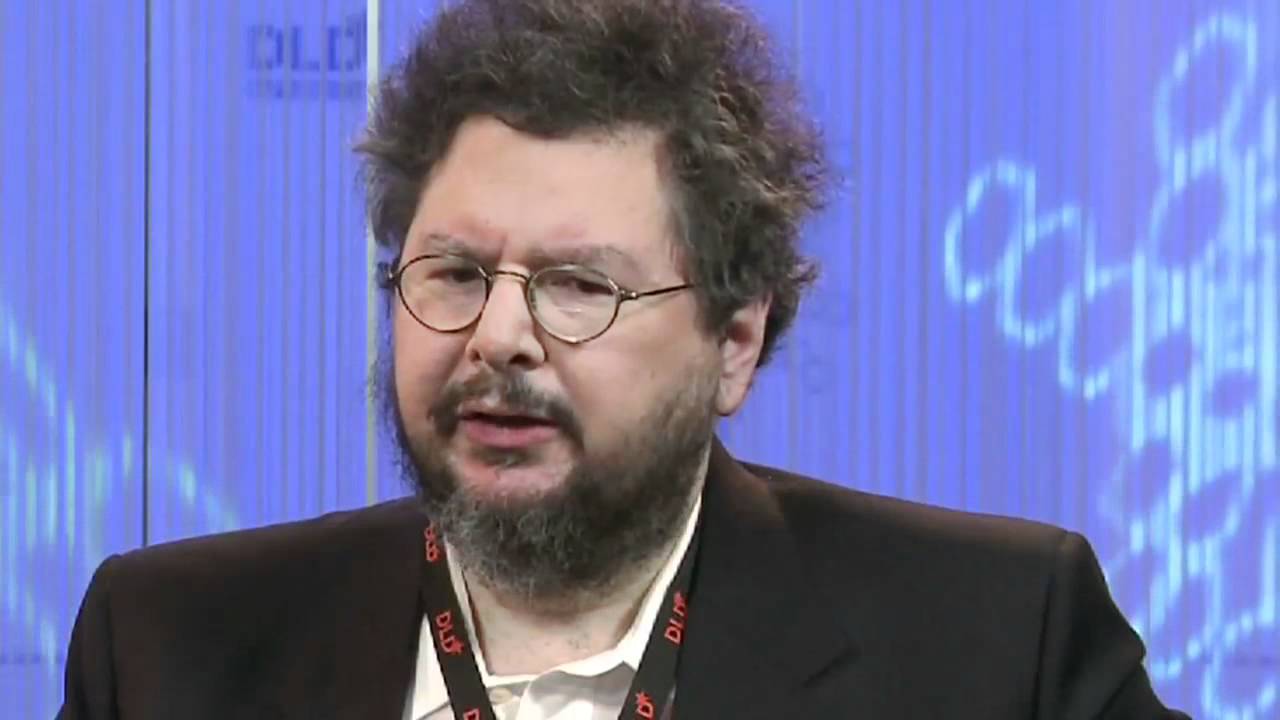
Geoff Wardle and Dave Meyers put together an organization that promotes openness and collaboration.
----------------------------------------------------------------------------------
Geoff Wardle:
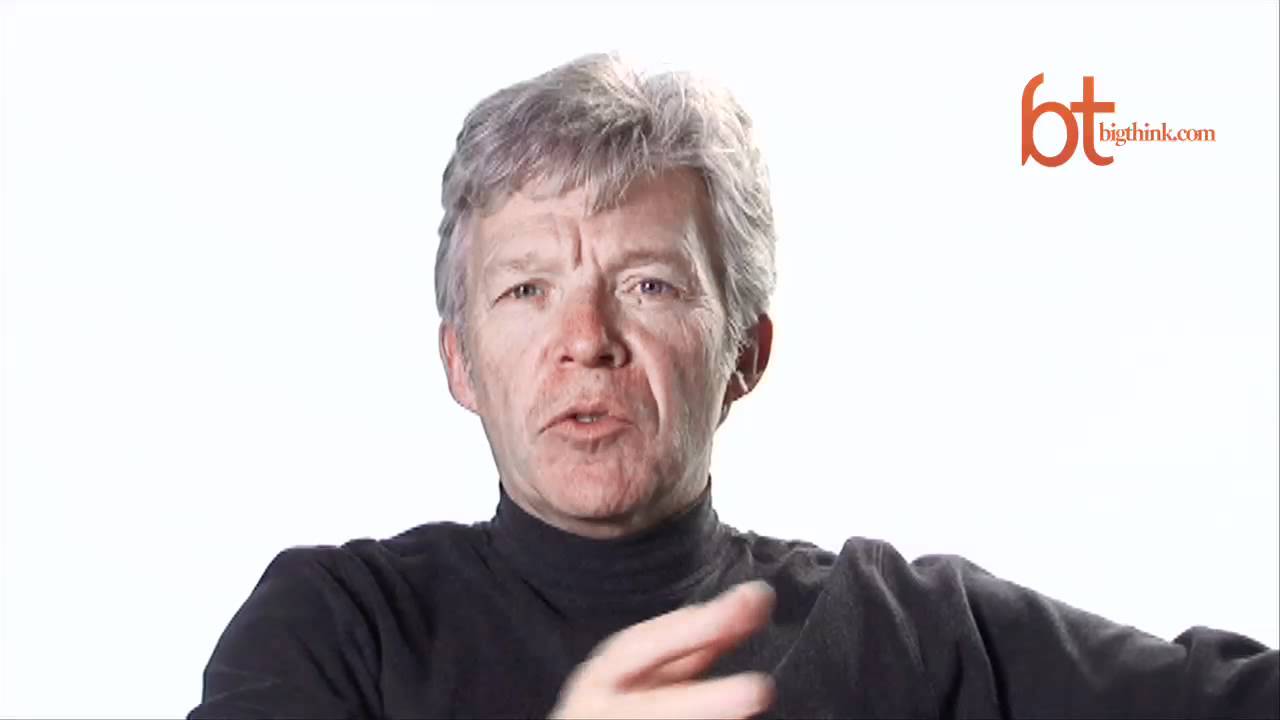
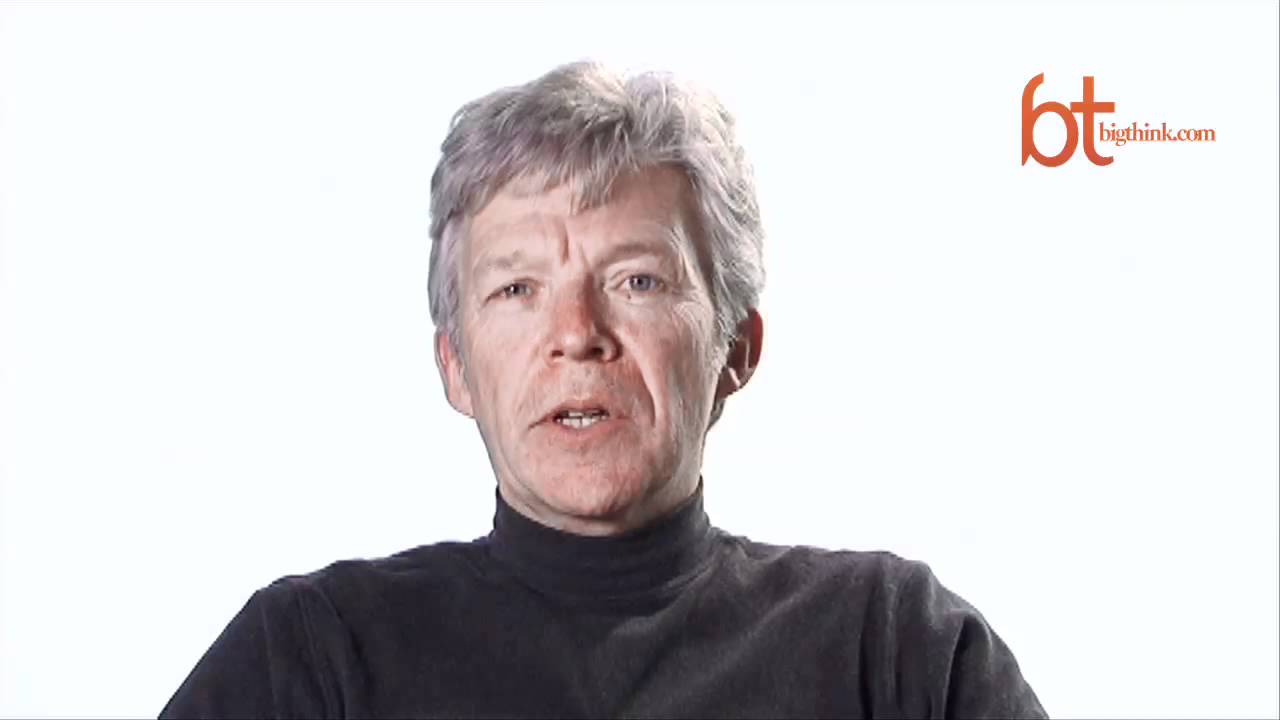
Geoff Wardle is Director of Advanced Mobility Research at Art Center College of Design in Pasadena, California. Educated first as a vehicle engineer and then as an automotive designer at the Royal College of Art in London, Geoff has had extensive experience as a professional vehicle designer across four continents and remains a passionate car enthusiast. However, because of his career in the automotive industry, Geoff became increasingly concerned about the future sustainability of this industry, personal mobility and transportation in general. With more than a decade of full-time involvement with Art Center’s Transportation Design department, in California and in Europe, Wardle has been a continual advocate for transportation designers becoming far more concerned and involved with the many other disciplines that make up mobility in its entirety, particularly in the urban environment.
----------------------------------------------------------------------------------
TRANSCRIPT:
Question: Where did the idea for Futurama 2.0 come from?
Geoff Wardle: I withdrew from the automobile industry and was lucky enough to get involved in full-time design education, transportation design, which gave me room to think about the bigger picture of transportation. Then later on, I met with Dave. We were both working at Arts Center, we got involved with setting up a series of sustainable mobility summits at Arts Center, and the three of us decided that we needed to bring a lot of people together to talk about these issues of sustainable mobility. And in that process, which was a lot of fun and extremely interesting, we got to meet some extraordinary people both in transportation and experts in sustainability and within the government as well.
As a result of that, Dave and I were invited to go and testify before Congress in December 2008, at a House Select Committee on Energy and Dependence and Global Warming. The conversation was about whether or not to bail Detroit out, which was a hot topic at the time. And our testimony essentially was that, before you could decide what to do with the car industry, you really needed to have a long-term vision of what the whole transportation landscape was going to be in the U.S. to decide whether the car industry had any major relevant part to play in that. That’s the testimony we delivered, but it was very clear to us that actually the conversations going on around at the time were about whether cars should do 35 mpg instead of 27.5 mpg. So, we were a little bit dismayed at that, but we decided we needed to do something about this and we decided we needed to add some more far-reaching conversation into this whole topic.
We decided essentially to take our testimony and develop a white paper and as we did that, we realized that it was actually a huge task and rather than just talk about it we decided we’d take the bull by the horns and set up ongoing transportation to work on what we called the Futurama 2.0 Project.
Question: Who are the players that need to collaborate right now?
Geoff Wardle: Well, we’ve identified a large number of players who need to take part in that because the future of transportation, if we’re going to implement truly innovative, sustainable means of transportation for both people and goods, that are compelling and viable, which means people will really want to use them, that industry and business is convinced they can make good profit out of this, that it fits in with government’s long-term objectives, we have to bring all the stakeholders in the future of transportation to the table. So it’s not just people who design cars and buses and trains, it’s not just civil engineers who design the infrastructure and build the infrastructure. We have to understand what the urban planners are thinking, how a transportation integrates into the urban landscape. We need to know the economics of all of this is going to work. We need to know a lot about the psychology about how the people think at various levels. We need to have people represent all the different areas of transportation and distribution of goods and people. So, it’s pretty much everybody. And again, from a design perspective, this is if you like, a giant version of what we are used to doing in our day-to-day work.
Question: Should the public and private sectors work together on these challenges?
Read the full transcript at
Sentinel Indexing in Progress
Metadata and chapters are available. Claim extraction for this episode is pending.
All video content is delivered via YouTube embedded players in accordance with the YouTube Terms of Service. Sentinel provides research tools that promote discovery and accountability across political media.